
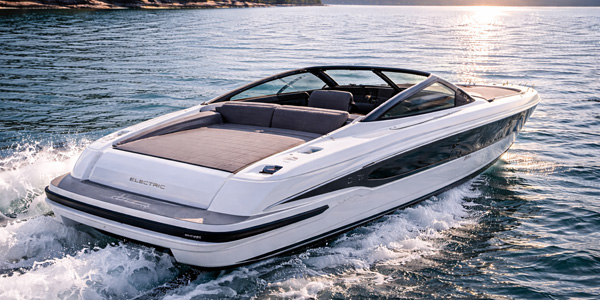
The marine industry is undergoing a profound transformation. Once dominated by the roar of combustion engines and the smell of fuel, waterways are now welcoming a new generation of vessels that prioritise efficiency, sustainability and serenity. Electric and hybrid boats are no longer niche concepts. They represent a quiet revolution that is reshaping how we experience life on the water.
A New Era of Marine Propulsion
Electric and hybrid propulsion systems are redefining what modern boating looks and feels like. Instead of relying solely on diesel or petrol engines, these vessels integrate electric motors powered by batteries, often supported by traditional engines for extended range or higher power demands.
The result is a smoother and quieter journey. Electric motors deliver instant torque, allowing boats to glide effortlessly through marinas and waterways. This refined performance is particularly appealing for leisure boaters, commercial operators, and environmentally sensitive locations where noise and emissions are increasingly regulated.
Why Electric and Hybrid Boats Are Gaining Momentum
Several factors are driving the rapid adoption of electric and hybrid boats. Environmental awareness is at the forefront, as boat owners and manufacturers seek to reduce emissions and protect marine ecosystems. Electric propulsion produces zero exhaust emissions during operation, helping to preserve air and water quality.
Operational efficiency also plays a major role. Electric motors are highly efficient compared to internal combustion engines, converting more energy into usable power. Maintenance requirements are typically lower, with fewer moving parts and reduced reliance on oil, filters and fuel system components.
Noise reduction is another compelling advantage. Quiet operation enhances onboard comfort and allows for a more immersive connection with the surrounding environment. This is particularly valuable for wildlife tours, inland waterways, and luxury leisure cruising.
The Role of Hybrid Technology
Hybrid boats offer a practical bridge between traditional propulsion and fully electric systems. By combining electric motors with conventional engines, hybrid setups provide flexibility without sacrificing range or reliability.
Electric power can be used for low-speed cruising, harbour manoeuvring or short journeys, while the combustion engine supports longer trips or higher speeds. Some systems also regenerate energy while under engine power, recharging batteries and improving overall efficiency.
This versatility makes hybrid boats an attractive option for boaters who want to embrace new technology without the limitations of current battery capacity.
Infrastructure and Innovation Driving Growth
Advances in battery technology are accelerating the shift towards electric boating. Modern lithium-based batteries offer greater energy density, faster charging and longer lifespans than earlier solutions. Solar integration is also becoming more common, allowing vessels to generate supplementary power while at anchor or underway.
Charging infrastructure is expanding across marinas and inland waterways, reducing range anxiety and making electric boating more accessible. As this network grows, fully electric vessels are becoming increasingly viable for a wider range of applications.
Looking Ahead
The quiet revolution on water is gaining speed. As technology continues to evolve and sustainability becomes a defining factor in purchasing decisions, electric and hybrid boats are set to play a central role in the future of marine transport.