Show Your Engine Some Love This Valentine’s Day

Valentine’s Day doesn’t have to mean last-minute chocolates, novelty socks or something that quietly disappears by Monday. For car enthusiasts, real love is practical, purposeful — and preferably lives under the bonnet.

And yes, this Valentine’s Day we’re talking about a different kind of silicone — one that improves performance, handles the heat and won’t end up hidden in a drawer by Monday.

Skip the clichés and show your appreciation where it really counts: the components your engine relies on every single day. Because nothing says “I care” quite like improved reliability and a tidy engine bay.

The perfect Valentine’s gifts for car enthusiasts

Let’s be honest — car people don’t want gimmicks. They want quality parts, clever upgrades and components that make them smile every time the bonnet’s lifted (even if they insist they were “just checking something”).

That’s what makes performance components such strong Valentine’s gifts. They’re practical, long-lasting and personal to the vehicle they care about most.

Silicone hoses that deliver year-round love

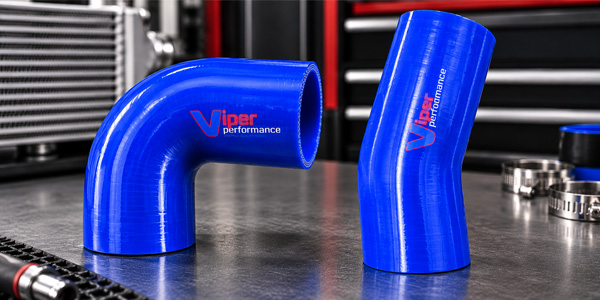
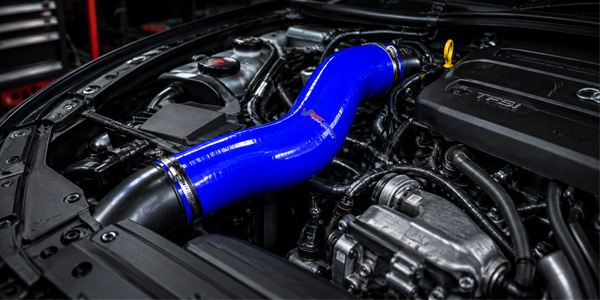
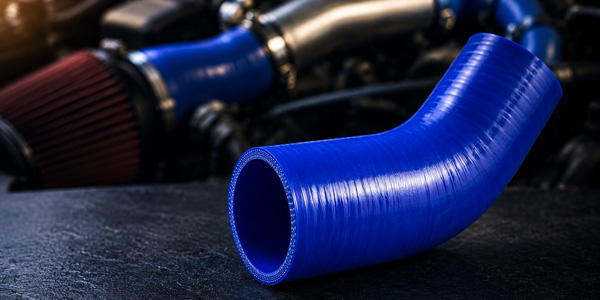
Silicone hoses are a Valentine’s gift that genuinely keeps on giving. Unlike ageing rubber hoses, high-quality silicone handles heat and pressure far more effectively, while also giving the engine bay a cleaner, more purposeful look.

Available in a wide range of sizes and colours, silicone hoses are easy to personalise to suit a specific build — whether that’s subtle and OEM-plus or something a little more eye-catching.

Reliable, good-looking and built to last… sounds like a solid relationship to us.

Aluminium pipes for cleaner, stronger setups

Aluminium pipes are one of the most popular upgrades for performance builds — and for good reason. Lightweight, strong and heat-resistant, they provide a solid foundation for intake, boost and cooling systems.

They also deliver a cleaner, more professional finish compared to ageing rubber or plastic pipework. Less clutter, more confidence when the bonnet’s up.

Carbon fibre pipes for premium performance builds

For something a little more premium, carbon fibre pipes make a standout Valentine’s gift. Lightweight, strong and visually striking, they offer genuine performance benefits while adding a high-end finish to any engine bay.

Perfect for enthusiasts who appreciate both engineering and aesthetics.

Small upgrades that make a big difference

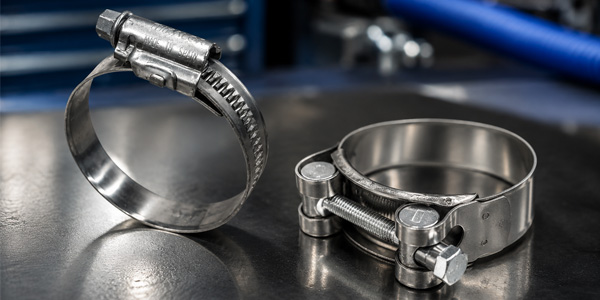
Not every Valentine’s gift needs to be a major overhaul. Hose clamps, reducers, joiners and work tools are thoughtful upgrades that show real attention to detail.

They might not steal the spotlight, but they play a crucial role in keeping systems running smoothly — and they’re the kind of parts that get appreciated every time the car’s driven.

This Valentine’s Day, choose performance

If you’re looking for a Valentine’s gift that feels personal, practical and genuinely appreciated, performance components are hard to beat. Silicone hoses, aluminium joiners and quality fittings are upgrades car enthusiasts want, use and enjoy long after

Valentine’s Day is over.

Because real love isn’t flashy — it’s reliable, well-engineered and built to perform

The Role of Aluminium Joiners in High-Pressure Systems

In any high-pressure system, reliability is not defined by the largest component but by the weakest connection. Whether in performance automotive builds, motorsport environments, marine engineering or industrial applications, the integrity of a system often comes down to how effectively individual sections are joined together. This is where aluminium joiners play a critical and often underestimated role.

Designed to connect hose to hose or hose to rigid pipework, aluminium joiners are a key structural element in systems operating under sustained pressure, elevated temperatures and constant vibration.

Why joiners matter in high pressure environments

High pressure systems place extreme demands on every component. Internal pressures attempt to force hoses apart, temperature changes cause expansion and contraction and vibration introduce constant mechanical stress. In these conditions, poorly manufactured joiners can lead to hose blow off, leaks or gradual fatigue that results in sudden failure.

Aluminium joiners are engineered to resist these forces. Their rigidity prevents deformation under pressure, while their precise machining ensures a secure interface between hose and clamp. Unlike plastic or thin wall alternatives, aluminium maintains its shape and sealing surface even under prolonged stress.

The advantages of aluminium over other materials

Aluminium is widely used in high performance systems because it offers an ideal balance of strength, weight and thermal stability. In high pressure applications, these characteristics are not simply desirable, they are essential.

Aluminium joiners provide:
• High resistance to internal pressure without flexing
• Lightweight strength that does not add unnecessary mass to the system
• Excellent heat tolerance for use near engines, turbos and exhaust components
• Natural corrosion resistance, particularly important in marine and industrial environments

Unlike steel, aluminium does not significantly increase system weight and unlike plastic, it does not soften, crack or degrade when exposed to heat and pressure over time.
Maintaining flow and system efficiency

Beyond strength, aluminium joiners also play a role in maintaining smooth and consistent flow through a system. Internal bore consistency is critical in applications such as boost pipework, coolant systems and fluid transfer lines. Poorly finished or stepped joiners can introduce turbulence; this can lead to pressure drop and uneven flow distribution.

Quality aluminium joiners are manufactured with smooth internal surfaces and accurate diameters, ensuring that airflow or fluid movement remains uninterrupted.

The importance of compatibility with silicone hoses

Aluminium joiners are most effective when paired with high quality silicone hoses, such as Viper Performance Hoses. Silicone provides flexibility, vibration absorption and temperature resistance, while aluminium delivers rigidity and structural support.

Together, they create a system that can handle pressure spikes, movement and thermal cycling without compromise.

Reliability is built at the connection points

High pressure systems demand confidence. Every connection must be as strong as the components it links together. Aluminium joiners provide that confidence by delivering strength, precision and durability where it matters most.

When systems fail, it is rarely due to the hose itself. More often, it is the connection that gives way. Investing in quality aluminium joiners is not an upgrade for appearance, it is an upgrade for performance, safety and long-term reliability.

To view Viper Performance’s extensive range of quality aluminium tubing and joiners, please use this link – https://www.viperperformance.co.uk/shop/aluminium-pipes

Electric and Hybrid Boats: The Quiet Revolution on Water

The marine industry is undergoing a profound transformation. Once dominated by the roar of combustion engines and the smell of fuel, waterways are now welcoming a new generation of vessels that prioritise efficiency, sustainability and serenity. Electric and hybrid boats are no longer niche concepts. They represent a quiet revolution that is reshaping how we experience life on the water.

A New Era of Marine Propulsion

Electric and hybrid propulsion systems are redefining what modern boating looks and feels like. Instead of relying solely on diesel or petrol engines, these vessels integrate electric motors powered by batteries, often supported by traditional engines for extended range or higher power demands.

The result is a smoother and quieter journey. Electric motors deliver instant torque, allowing boats to glide effortlessly through marinas and waterways. This refined performance is particularly appealing for leisure boaters, commercial operators, and environmentally sensitive locations where noise and emissions are increasingly regulated.

Why Electric and Hybrid Boats Are Gaining Momentum

Several factors are driving the rapid adoption of electric and hybrid boats. Environmental awareness is at the forefront, as boat owners and manufacturers seek to reduce emissions and protect marine ecosystems. Electric propulsion produces zero exhaust emissions during operation, helping to preserve air and water quality.

Operational efficiency also plays a major role. Electric motors are highly efficient compared to internal combustion engines, converting more energy into usable power. Maintenance requirements are typically lower, with fewer moving parts and reduced reliance on oil, filters and fuel system components.

Noise reduction is another compelling advantage. Quiet operation enhances onboard comfort and allows for a more immersive connection with the surrounding environment. This is particularly valuable for wildlife tours, inland waterways, and luxury leisure cruising.

The Role of Hybrid Technology

Hybrid boats offer a practical bridge between traditional propulsion and fully electric systems. By combining electric motors with conventional engines, hybrid setups provide flexibility without sacrificing range or reliability.

Electric power can be used for low-speed cruising, harbour manoeuvring or short journeys, while the combustion engine supports longer trips or higher speeds. Some systems also regenerate energy while under engine power, recharging batteries and improving overall efficiency.

This versatility makes hybrid boats an attractive option for boaters who want to embrace new technology without the limitations of current battery capacity.

Infrastructure and Innovation Driving Growth

Advances in battery technology are accelerating the shift towards electric boating. Modern lithium-based batteries offer greater energy density, faster charging and longer lifespans than earlier solutions. Solar integration is also becoming more common, allowing vessels to generate supplementary power while at anchor or underway.

Charging infrastructure is expanding across marinas and inland waterways, reducing range anxiety and making electric boating more accessible. As this network grows, fully electric vessels are becoming increasingly viable for a wider range of applications.

Looking Ahead

The quiet revolution on water is gaining speed. As technology continues to evolve and sustainability becomes a defining factor in purchasing decisions, electric and hybrid boats are set to play a central role in the future of marine transport.

Why Marine Environments Demand Superior Hose Materials

Marine environments are among the most punishing operating conditions for mechanical and fluid-transfer systems. From constant saltwater exposure to extreme temperature fluctuations and relentless vibration, hoses used in marine applications must perform reliably where standard materials often fail. Selecting superior hose materials is not simply a matter of longevity, it is critical to safety, efficiency and compliance.

The Unique Challenges of Marine Environments

Marine systems operate under a combination of stressors rarely found in other industries. Saltwater, humidity, UV radiation, fuel exposure and confined engine spaces create an environment where material degradation accelerates rapidly.

Key environmental pressures include:
• Saltwater corrosion: Salt acts as a catalyst for material breakdown, particularly in inferior rubber compounds.
• Temperature extremes: Marine engines generate intense heat, while external conditions can swing dramatically.
• Constant vibration and movement: Wave action and engine operation place continuous mechanical stress on hoses.
• Chemical exposure: Fuels, oils, coolants and cleaning agents can attack low-grade hose materials.

Inadequate hose selection in these conditions can lead to swelling, cracking, delamination or catastrophic failure.

Why Standard Hose Materials Fall Short

Conventional rubber hoses, often designed for automotive or light industrial use, are not engineered to withstand prolonged marine exposure. Over time, they may suffer from:
• Premature hardening or softening
• Loss of pressure resistance
• Surface cracking from UV exposure
• Internal breakdown when exposed to fuel blends or saltwater vapour

These failures increase maintenance costs and elevate the risk of system downtime or environmental hazards.

The Importance of Superior Hose Materials

High-performance marine hoses are purpose-built to resist the specific challenges of maritime use. Materials such as marine-grade silicone, reinforced EPDM and fluoro-lined hoses offer significant advantages.

Key Performance Benefits
• Enhanced corrosion resistance: Superior compounds resist salt-induced degradation.
• Thermal stability: Maintains flexibility and strength across a wide temperature range.
• Chemical compatibility: Withstands exposure to fuels, oils, and coolants.
• Extended service life: Reduced cracking, swelling, and fatigue over time.
• Improved safety: Lower risk of leaks, bursts or system failure.

These properties are essential for critical systems such as cooling circuits, exhaust systems, fuel delivery and bilge operations.

Silicone Hoses in Marine Applications

Marine-grade silicone hoses have become increasingly popular due to their exceptional durability and performance consistency. Unlike traditional rubber, silicone maintains its flexibility under high heat and resists UV and ozone damage, two major contributors to hose failure in exposed marine environments.

Common marine uses include:
• Engine coolant hoses
• Turbocharger and intake systems
• Wet and dry exhaust connections
• Auxiliary fluid transfer lines

When reinforced correctly, silicone hoses also offer excellent pressure handling and vibration resistance.

Compliance, Reliability and Long-Term Value

Marine vessels, whether commercial or recreational, must meet stringent safety and regulatory standards. Hose failure can result in costly repairs, operational downtime, or regulatory non-compliance. Investing in superior hose materials reduces long-term maintenance costs and enhances operational reliability.

From offshore platforms to leisure craft, the choice of hose material directly impacts performance, safety and lifecycle value.

Final Thoughts

Marine environments leave no margin for material weakness. The combination of saltwater, heat, chemicals and mechanical stress demands hose solutions engineered specifically for these conditions. Superior hose materials are not an upgrade; they are a necessity.

The Weirdest Places Silicone Hoses Are Used

When most people think of silicone hoses, they picture a car engine bay or a performance upgrade on a modified vehicle. In reality, silicone hoses quietly operate in some genuinely unexpected environments. Thanks to their flexibility, temperature resistance, chemical stability and durability, silicone hoses have found homes in places few would ever imagine.

Below is a look at some of the strangest, most surprising places silicone hoses are doing essential work behind the scenes.

Theme Park Rides and Animatronics

Behind the scenes of theme park rides, silicone hoses help bring characters and moving environments to life. They are used to power pneumatic systems, fluid movement, and temperature regulation within animatronics.
Given the constant motion, vibration and outdoor exposure, silicone hoses offer reliability where frequent maintenance would be impractical or costly.

Underwater Robotics and Exploration

Deep-sea exploration vehicles use silicone hoses to control hydraulics and fluid systems at extreme depths. These environments combine high pressure, saltwater corrosion and temperature changes that would destroy many materials.
Silicone hoses remain flexible and maintain sealing integrity, allowing remotely operated vehicles and autonomous robots to explore parts of the ocean humans cannot reach.

Spacecraft, Satellites, and Zero-Gravity Systems

Silicone hoses are used inside spacecraft and satellites where material failure is simply not an option. They play a role in:
• Thermal control systems
• Fuel and coolant transfer
• Cabin air circulation

Unlike conventional rubber, silicone remains stable across massive temperature ranges, from extreme heat during launch to freezing conditions in space. Its low outgassing properties also make it suitable for sealed spacecraft environments where air contamination must be avoided.

Few materials are trusted beyond Earth, and silicone hoses are among them.

Cryogenic Freezers Holding Human Heads (Yes, Really)

Cryonics facilities use silicone hoses to transport liquid nitrogen at absurdly low temperatures. These systems keep biological samples, and in some cases entire human heads, frozen in the hope future science can revive them.

Silicone hoses are chosen because they:
• Remain stable across extreme temperature swings
• Do not become brittle like conventional rubber
• Maintain sealing integrity in sealed cryogenic chambers

If that sounds like something from a dystopian film, it kind of is, but the hoses are very real.

Robot Dogs, Humanoid Robots, and Soft Robotics

In soft robotics, silicone hoses are literally part of the robot’s muscles. Instead of metal joints, these machines use air or fluid pumped through flexible chambers to create lifelike movement.

Silicone hoses:
• Act as artificial tendons
• Expand and contract without fatigue
• Allow robots to move safely around humans

Some robots walk, jump, grip objects, or even wag their tails entirely because of silicone hose systems.

Fake Animals Used to Train Zoo Predators

Some zoos use robotic prey animals to encourage natural hunting behaviours in predators. Silicone hoses run through these fake animals to simulate warmth, movement, and even heartbeat rhythms.
The predators do not know it is fake. The silicone hoses do not care.

Conclusion

Silicone hoses succeed where other materials fail. As technology advances and systems become more compact and complex, silicone hoses continue to solve problems in places no one ever expected them to appear.

Oil-Resistant Silicone Hoses Explained

Oil-resistant silicone hoses are a critical component in modern automotive, motorsport, and industrial systems. Designed to withstand exposure to oil vapour, heat and pressure, they provide a reliable solution where standard rubber or non-resistant silicone hoses would degrade prematurely. This article explains what oil-resistant silicone hoses are, how they work and why they are essential in demanding environments.

What Are Oil-Resistant Silicone Hoses?

Oil-resistant silicone hoses are multi-layer hoses engineered to tolerate oil mist and hydrocarbon exposure on the exterior, while maintaining the flexibility and thermal stability silicone is known for. Unlike standard silicone hoses, which can swell or soften when exposed to oil, oil-resistant variants incorporate a fluorosilicone (FVMQ) inner liner or an oil-resistant outer layer to prevent deterioration.

Why Standard Silicone Is Not Always Enough

Silicone rubber excels at handling extreme temperatures, typically ranging from -50°C to over 180°C, and offers excellent resistance to ozone, UV, and weathering. However, pure silicone is inherently vulnerable to petroleum-based oils and fuels. Prolonged exposure can lead to:
• Hose swelling and loss of shape
• Reduced structural integrity
• Premature failure or leakage

Oil-resistant silicone hoses are specifically developed to overcome these limitations, making them suitable for high-performance and long-term use.

How Oil-Resistant Silicone Hoses Are Constructed

The key difference lies in the hose’s internal structure. Most oil-resistant silicone hoses feature:
• Fluorosilicone inner liner – Prevents oil vapour permeation
• Reinforced fabric layers – Polyester or aramid reinforcement for pressure resistance
• Silicone outer layer – Maintains flexibility, heat resistance, and durability

This layered construction ensures the hose remains stable under pressure while resisting chemical attack from oils and hydrocarbons.

Key Benefits of Oil-Resistant Silicone Hoses

Choosing oil-resistant silicone hoses offers several advantages:
• Improved longevity in oil-heavy environments
• Superior resistance to heat, pressure, and vibration
• Reduced maintenance and replacement costs
• Consistent performance under extreme operating conditions

These benefits make them a preferred choice over traditional rubber hoses in demanding systems.

Final Thoughts

Oil-resistant silicone hoses play a vital role in protecting engines and machinery operating in harsh, oil-rich environments. By combining the flexibility and thermal resilience of silicone with enhanced chemical resistance, they deliver dependable performance where standard hoses fall short. Whether for automotive performance upgrades or industrial reliability, investing in the correct hose specification is a decision that pays dividends in durability and peace of mind.

The Most Beautiful Engine Bays Ever Built

Car enthusiasts often talk about horsepower figures or lap times, but there is a different kind of beauty that only true petrolheads appreciate. An engine bay is the heart of a car. Sometimes it is a place of raw mechanical aggression. Sometimes it is a polished cathedral of engineering. In the finest examples the engine bay becomes art and these are some of the most breathtaking ever created.

Ferrari F40

There is something brutally honest about the Ferrari F40. Lift the rear clamshell and you are greeted by raw intention. Twin turbos breathing through exposed pipes, a V8 block dressed in red and a layout that makes no attempt to hide the engineering. It is mechanical theatre with every component visible and nothing unnecessary in the way. The F40’s engine bay is not just functional. It tells you exactly what the car wants to do: go fast and scare you a little.

Porsche 993 Air-Cooled Flat-Six

The final air-cooled 911 generation is regarded as the most refined expression of Porsche tradition. Open the engine lid and you see a compact, purposeful flat-six that feels alive even at rest. The arrangement of fans, belts and cooling ducts is beautifully tidy and completely unapologetic. There are no covers pretending to be sculpture, no chrome gimmicks. Instead, you see pure engineering disciplined and efficient and somehow elegant because of it.

Toyota 2JZ-GTE

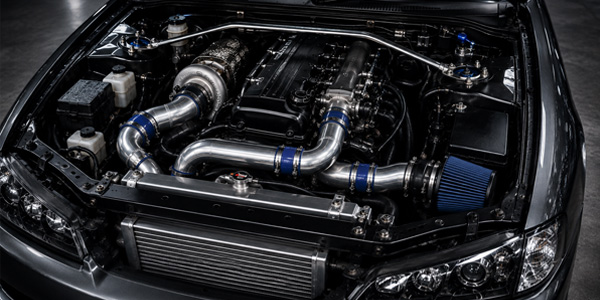
Some engines are beautiful because they look exotic. Others are beautiful because they are legends. The 2JZ is both. In stock form its twin-turbo layout is clean and purposeful. In the hands of tuners, it becomes a polished jewel. Stainless pipes snake over a block capable of astounding power and reliability. Whether untouched or dressed in mirror-finished aftermarket parts the 2JZ engine bay exudes potential. It is the visual promise of limitless boost.

Honda NSX

The original NSX changed how the world viewed supercars. Open its engine cover and you see why. The C30A V6 sits low and central beneath glass, surrounded by a chassis engineered with surgical precision. Every bracket and brace feels intentional. It is calm, balanced and beautifully restrained. The NSX engine bay reflects the philosophy of the entire car: performance without arrogance, elegance without excess.

Lamborghini Countach

Nothing says drama like a classic Italian V12 laid out beneath angular bodywork. In the Countach the engine bay is a sculpture of polished intakes, red valve covers and wild 1970s ambition. It is cramped, loud and complicated and it looks magnificent because it is unapologetically excessive. Every time the rear is lifted the Countach reminds you that supercars were once daring and unruly and that beauty can be found in chaos.

Where Form Meets Function

A beautiful engine bay is not only about shiny parts or tidy wiring. It is about storytelling. The F40 shouts its purpose. The 993 whispers timeless engineering. The Supra hints at limitless potential. The NSX displays balance. The Countach celebrates madness. They all express personality through metal, heat shields, piping and structure.

Customer Feature@turbocoopersport

How Silicone Hoses Protect Your Engine Through Winter

Winter is one of the toughest seasons for your vehicle. Cold starts, frozen fluids and rapid temperature changes all create stress inside the engine bay. The hoses that move coolant and air are especially vulnerable. Traditional rubber can stiffen or crack in freezing weather which often leads to leaks or complete failure. Silicone hoses are designed to handle these conditions and keep your engine running smoothly even in the harshest months.

Why Silicone Handles the Cold Better

Rubber loses flexibility when temperatures drop. On a frosty morning rubber coolant hoses feel hard and rigid which makes them prone to splitting or tearing. This is why so many breakdowns happen as the weather turns.

Silicone behaves differently. It remains flexible at low temperatures and keeps its shape without becoming brittle. In most cases silicone hoses function reliably from around minus fifty degrees Celsius up to around one hundred and eighty degrees Celsius. That wide operating range makes them ideal for winter when engines experience repeated cycles of freezing and thawing.

This flexibility helps coolant continue circulating properly during cold starts so the engine warms up evenly without extra strain on surrounding components.

Protection Against Coolant and Winter Additives

During winter many drivers rely on stronger antifreeze blends to prevent freezing. Standard rubber materials can absorb these fluids and gradually break down from the inside. This can lead to soft spots bulges or small cracks that eventually become leaks.

Silicone has a different structure. It does not absorb coolant, and it is resistant to the chemicals found in antifreeze mixtures. This makes it far less likely to degrade over time. The result is a more stable coolant system with fewer surprises when temperatures are at their lowest.

Improved Durability in Tough Winter Conditions

Winter roads are coated with moisture salt and grit. If you park outside or drive regularly during bad weather this mix inevitably finds its way into the engine bay. Rubber hoses dry out and weaken when exposed to salt and cold water spray.

Silicone hoses have a smooth nonporous surface that resists these elements. They are far less likely to suffer from external cracking or surface corrosion. Whether you drive daily commute routes or only occasionally during the winter silicone hoses help maintain reliability and reduce the risk of mid-season failures.

A Better Option for Turbo and Performance Engines

Cars equipped with turbochargers or upgraded intake systems rely heavily on consistent airflow. Rubber can collapse or deform under high vacuum which restricts air movement and slows performance.

Silicone hoses are reinforced to keep their shape even under pressure changes. Their smooth interior allows air to pass freely which helps the turbo spool more predictably and improves throttle response during cold weather. Many performance drivers choose silicone specifically for this reason as it keeps airflow stable regardless of temperature.

Avoiding Breakdowns and Unexpected Repair Costs

A failed coolant hose in the middle of winter can lead to much more than an inconvenient roadside call. Losing coolant quickly can cause overheating even in cold conditions. Severe overheating may warp the cylinder head damage the head gasket or create multiple costly repairs.

Choosing silicone hoses is often less about appearance and more about prevention. They offer a longer lifespan and peace of mind when every start up and every trip matters.

Final Thoughts

Winter exposes every weakness in your engine. Silicone hoses help prevent those weak points by staying flexible resisting chemical damage and protecting against salt and moisture. They support a healthy coolant and air system which keeps your engine safer through the season. For anyone preparing their vehicle for colder months silicone is a smart upgrade that delivers reliability performance and long-term value.

Why Enthusiasts Love Engine Bay Upgrades

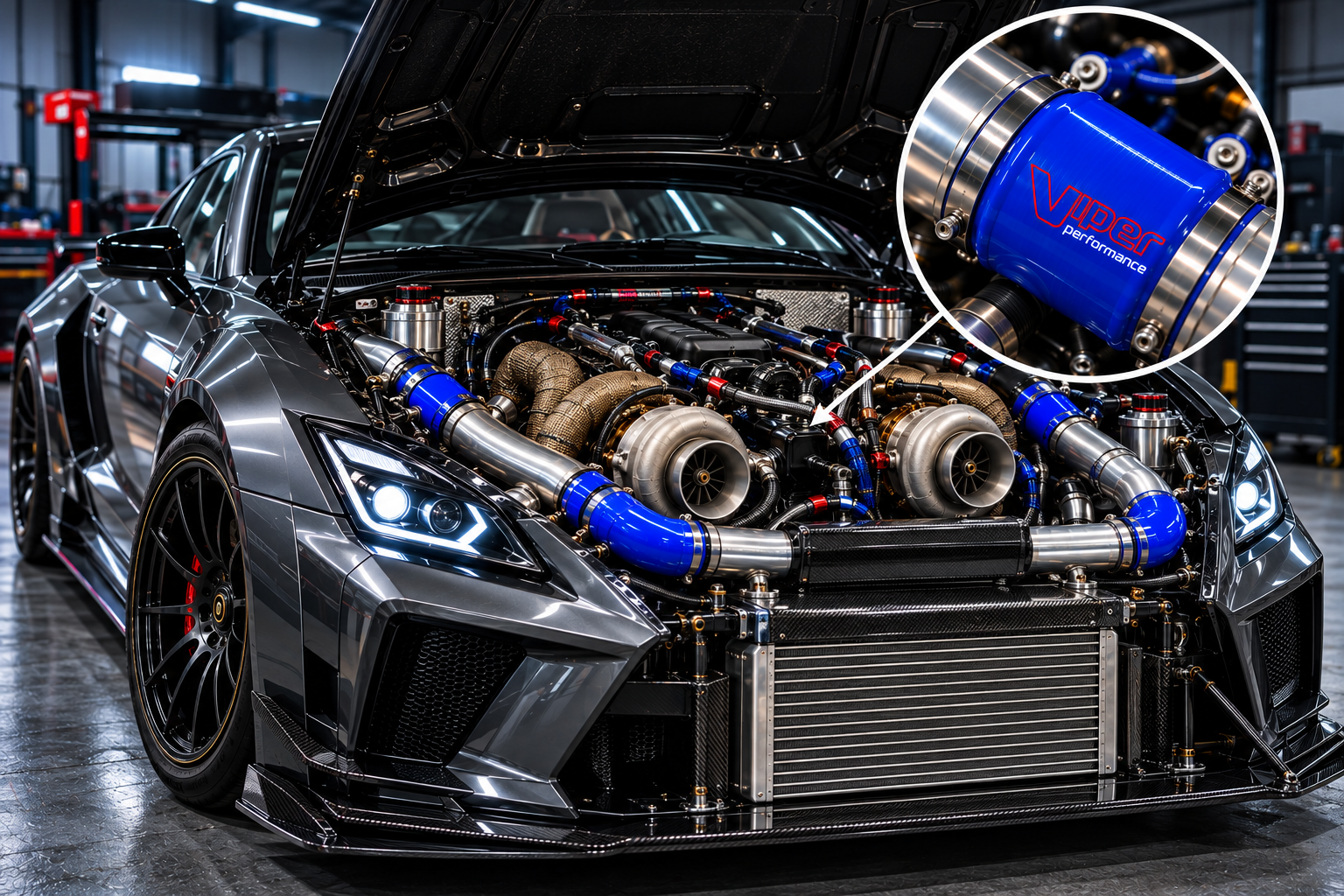
For passionate drivers, the engine bay is far more than a collection of parts. It represents precision, performance and personality all in one place. Upgrading components under the bonnet has become one of the most popular ways for car enthusiasts to express their creativity while also improving reliability and efficiency. Whether you are enhancing a daily driver or building a show car, engine bay upgrades deliver both visual appeal and performance advantages.

Making a Visual Statement

A clean and well-presented engine bay makes an instant impression. Many enthusiasts enjoy replacing standard components with colourful silicone hoses, polished alloy parts and neatly routed wiring to give their car a professional finish. These details create a distinctive look that reflects pride and attention to detail. At car meets, shows, or even during regular maintenance, a well-kept engine bay stands out and showcases the owner’s dedication to their vehicle.

Performance and Practical Benefits

While engine bay upgrades often look impressive, they also bring real performance benefits. Swapping worn rubber hoses for premium silicone options, improving cooling systems, or upgrading heat shielding can enhance both reliability and efficiency. These improvements help engines maintain consistent temperatures, reduce wear, and handle higher performance demands.

Accessible Projects for All Skill Levels

Another reason enthusiasts love engine bay upgrades is that many are achievable without specialist tools or advanced mechanical knowledge. Installing new hoses, cleaning up wiring, or fitting heat-resistant sleeves are great starting points for anyone new to car modification. More experienced builders can take things further with custom fittings, intercooler piping, or performance-focused components.

Building a Foundation for Future Modifications

Upgrading the engine bay often lays the groundwork for bigger performance enhancements later on. Reinforced hoses, improved cooling and high-quality fittings create a stronger, more reliable foundation for future upgrades such as turbocharging or remapping. By improving the basics first, enthusiasts ensure their car can handle greater power without compromising reliability.

Pride and Community

For many, the engine bay is a point of pride and connection. Sharing before-and-after photos, showcasing at events, or simply lifting the bonnet for friends to admire creates a sense of accomplishment and belonging within the automotive community. A tidy and thoughtfully upgraded engine bay tells a story about care, craftsmanship, and passion for performance.

The Final Word

Engine bay upgrades combine style, substance, and satisfaction in equal measure. They improve how a vehicle looks, performs and feels while giving enthusiasts a creative outlet to express their personality. Whether you are chasing horsepower gains or simply refining the presentation of your car, investing time and care into your engine bay can transform your driving experience and make every journey a little more rewarding.

Why Silicone, Nomex®, FKM Liners Matter in Real-World Performance

High performance engines rely on far more than power-adding components to deliver results. Every part under the bonnet plays a role in reliability and efficiency, including the hoses that connect key systems. The materials used inside those hoses have a direct impact on how well an engine handles heat, pressure, and exposure to aggressive fluids. Upgrading to hoses that use silicone, Nomex® and FKM liners can make a significant difference in real-world performance and long-term durability.

Understanding the Materials

Silicone is widely recognised for its flexibility, heat resistance, and longevity. It retains its shape under pressure and stays resilient in extreme temperatures where traditional rubber hoses often deteriorate. Its ability to remain stable over time makes it the foundation of most high-quality performance hoses.

Nomex®, an advanced aramid fibre, is used as a reinforcement material for added strength and temperature resistance. It is fire resistant, does not melt or drip, and performs exceptionally well in high heat environments such as engine bays and turbo systems. Nomex reinforced hoses maintain structural integrity even under continuous exposure to extreme heat, making them a trusted choice for demanding applications.

FKM liners (also known as fluoroelastomer or Viton® liners) provide an inner barrier that resists chemicals, oils, fuels, and other aggressive substances. They prevent the inner surface of the hose from swelling, softening, or cracking when exposed to harsh fluids, which greatly extends the service life of the component.

Real-World Advantages

When used together, silicone, Nomex, and FKM materials create hoses that outperform standard options in every key area. Silicone gives flexibility and external protection,

Nomex delivers strength and heat resistance, and FKM ensures chemical stability from within. This combination keeps cooling, turbo, and vacuum systems running efficiently under constant stress.

Drivers running tuned or high output engines benefit most from these upgrades. Reinforced hoses hold their shape and pressure during aggressive acceleration and heavy loads, helping to prevent performance loss, leaks, or overheating. Even in everyday driving, premium hoses reduce maintenance needs by resisting degradation over time.

Choosing the Right Hose Setup

The correct material combination depends on the engine layout and how the vehicle is used. For moderate power levels or general road use, high quality silicone hoses may provide ample protection. For motorsport or forced induction setups, Nomex reinforcement helps manage higher operating temperatures and constant pressure.

When the system carries fluids like oil or fuel, an FKM-lined hose becomes essential to ensure internal stability and safety.
Selecting hoses from reputable manufacturers and ensuring they are rated for the right temperature and pressure ranges will help avoid failures.

The Lasting Impact

Hoses lined or reinforced with silicone, Nomex, and FKM are built to perform under real driving conditions, not just in theory. They provide consistent pressure control, excellent resistance to heat and chemicals and long-term reliability. For drivers and tuners who demand performance they can depend on, investing in hoses built from these premium materials is a decision that pays off every time the engine turns over.