The Future of Silicone in Wind Turbine Efficiency

The global shift toward renewable energy has placed wind power at the heart of sustainable progress. As turbines grow larger and more advanced, the materials used to build and maintain them must also evolve. One material is proving to be a game-changer: silicone. From sealing and insulation to blade protection and durability, silicone is reshaping how wind turbines operate and paving the way for greater efficiency in the future.

Why Silicone Matters in Wind Energy

Wind turbines face some of the harshest operating conditions imaginable. Constant exposure to UV radiation, moisture, salt spray and temperature extremes can degrade materials over time. Silicone stands out because it maintains flexibility, strength and stability even in these challenging environments. This resilience helps extend the life of turbine components, reduces maintenance, and maximises uptime.

Enhancing Turbine Blades

Blades are the most critical part of a turbine, and their performance directly affects efficiency. Silicone coatings and sealants protect blades from erosion caused by rain, dust and ice. This protection preserves aerodynamic performance and reduces the need for costly repairs or replacements. As blades continue to increase in size to capture more energy, the role of silicone in keeping them reliable becomes even more significant.

Electrical Insulation and Safety

The electrical systems inside a wind turbine demand materials that can withstand high voltages, fluctuating currents and extreme weather. Silicone offers outstanding dielectric properties, making it ideal for insulating cables, connectors, and transformers. By preventing electrical failures and maintaining system stability, silicone contributes directly to safe and efficient energy generation.

Sealing and Weatherproofing

Every turbine contains countless joints, fastenings, and moving parts that must be protected from water ingress, dust and corrosion. Silicone sealants provide a durable barrier that keeps components operating smoothly. Unlike many alternatives, silicone retains its flexibility over time, which means seals remain effective despite constant vibration and temperature shifts.

The Road Ahead

In the coming years, silicone will play an even greater role in wind energy innovation. Advanced silicone composites may be used to create lighter, stronger blades. Next-generation sealants and coatings will offer self-healing properties to further extend service life. New formulations are also being developed with sustainability in mind, ensuring that as turbines help reduce carbon emissions, the materials supporting them are equally eco-friendly.

Final Thoughts

As demand for renewable energy grows, the efficiency and reliability of wind turbines will be more important than ever. Silicone is uniquely positioned to meet these challenges. Its ability to protect, insulate, and enhance performance ensures it will remain at the forefront of wind turbine technology

How Viper Performance Products Improve Engine Bay Reliability on Boats

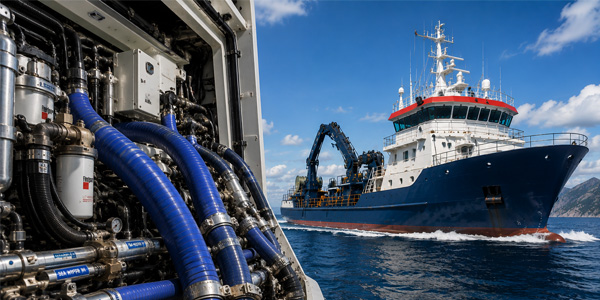
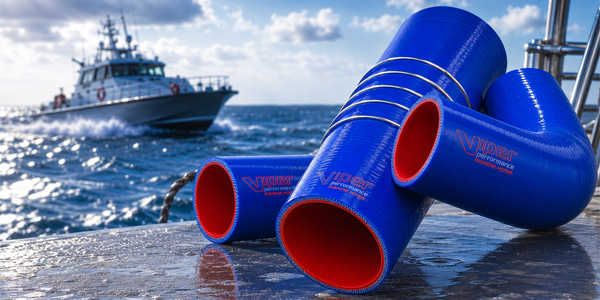
When it comes to marine engines, reliability isn’t just important; it’s critical. Unlike cars, you can’t simply pull over when something goes wrong at sea. Your boat’s engine bay must be built to withstand intense heat, vibration, saltwater corrosion and constant pressure. That’s where Viper Performance products come in.

Known for high-quality, precision-engineered components, Viper Performance has earned a solid reputation in motorsport and automotive performance circles. Now, those same benefits are being harnessed by boat owners looking to enhance engine bay durability and performance.

High Temperature Resistance: Silicone hoses from Viper Performance can withstand extreme engine temperatures without cracking, degrading or losing flexibility.

Corrosion-Resistant Materials: Whether it’s saltwater exposure or high humidity, Viper’s aluminium components resist rust and corrosion far better than traditional rubber or mild steel.

Durability Under Vibration: Marine engines often vibrate more than automotive engines. Viper hoses are reinforced and engineered to maintain integrity under constant movement and pressure.

UV and Ozone Resistant: Perfect for engine bays that are partially exposed or under deck hatches, Viper products won’t degrade under sunlight or marine weather conditions.

Clean, Reliable Engine Bay Plumbing

Viper Performance products allow for clean and professional engine bay setups, which are essential for both reliability and easy maintenance. Whether you’re routing coolant lines, turbo piping, or intake systems, Viper hoses and joiners ensure a secure fit and consistent flow.

Flexible Options for Custom Setups

Marine engine configurations vary from one boat to another. Viper Performance offers a wide variety of components, including:
• Straight hoses, elbow bends, and T-pieces
• Aluminium pipes and reducers
• Silicone couplers in various diameters and lengths
This flexibility makes it easy to replace OEM parts or upgrade to more durable, high-performance alternatives.

Built on Proven Performance

Viper Performance has a long-standing reputation for delivering results in high-stress environments. From race cars to road vehicles, their components are tested under extreme conditions. Those same qualities translate perfectly to the marine world, where reliability is everything.

Upgrade with Confidence

Your boat’s engine bay deserves components that are engineered for durability, performance and peace of mind. Viper Performance products provide exactly that. Whether you’re replacing worn-out factory parts or building a high-performance marine engine, Viper has the components to get the job done right.

Bucket List: The World’s Best Car, Boat and Air Shows

There are events, and then there are bucket list experiences. If you live for horsepower, elegance on the water, or the roar of jet engines in the sky, the world has some incredible shows that will take your breath away. These aren’t just exhibitions — they’re full-throttle celebrations of design, engineering, and pure passion.

Car Shows That Fuel the Soul

1. Goodwood Festival of Speed (UK)

Held at the historic Goodwood Estate in West Sussex, this event is every motoring enthusiast’s dream. It blends historic cars, modern supercars, and future tech into one adrenaline-fueled weekend.

Must-see moment: The hill climb, where legendary cars are pushed to their limits by equally legendary drivers.

2. Pebble Beach Concours d’Elegance (USA)

This is where luxury meets legacy. Hosted on California’s stunning Monterey Peninsula, it’s a gathering of the rarest and most beautiful classic cars in the world.

Must-see moment: The grand parade of multi-million-dollar collector cars, judged for elegance and originality.

3. Tokyo Auto Salon (Japan)

Love modified machines and futuristic concepts? Tokyo Auto Salon showcases the cutting edge of car culture, from insane custom builds to next-gen EVs.

Must-see moment: Wild tuning creations from Japan’s most inventive garages and manufacturers.

🚤 Boat Shows That Make Waves

4. Monaco Yacht Show (Monaco)

If James Bond had a favourite boat show, this would be it. With a backdrop of superyachts, luxury lifestyle, and the French Riviera, the Monaco Yacht Show is the epitome of nautical opulence.

Must-see moment: Touring ultra-modern superyachts that cost more than most private islands.

5. Fort Lauderdale International Boat Show (USA)

Known as the “Yachting Capital of the World,” this Florida-based show is the largest in-water boat show on the planet. From sleek speedboats to floating mansions, it’s all here.

Must-see moment: Watching billionaires and boat lovers alike negotiate deals on the docks.

6. Dubai International Boat Show (UAE)

A jaw-dropping mix of luxury, innovation, and spectacle, this show reflects Dubai’s love for the extravagant. Expect cutting-edge marine tech and some of the world’s most exotic watercraft.

Must-see moment: The night-time marina display, with yachts illuminated under the Dubai skyline.

✈️ Air Shows That Soar Above the Rest

7. EAA AirVenture Oshkosh (USA)

The world’s largest aviation event, held in Wisconsin, attracts over half a million aviation fans and 10,000 aircraft. From vintage biplanes to stealth bombers, it’s a week-long sky spectacle.

Must-see moment: The epic mass fly-in and jaw-dropping night airshows with fireworks.

8. Royal International Air Tattoo (UK)

The RIAT at RAF Fairford is the world’s biggest military air show, offering precision flying displays, massive jets, and international air forces showing off their best.

Must-see moment: The thunderous flyover of aircraft from countries around the globe.

9. Dubai Airshow (UAE)

A blend of defence, commercial aviation and aerospace tech, this show is a showcase of tomorrow’s flying machines. It’s where deals are made and future aircraft are revealed.

Must-see moment: High-speed aerobatic displays performed by elite stunt teams against the desert backdrop.

Final Thoughts: Fuel Your Wanderlust

These shows aren’t just for industry insiders — they’re for dreamers, fans and explorers. Whether you’re standing beneath a fighter jet in full roar, stepping aboard a 200-foot yacht, or watching a hypercar launch from the line, these experiences belong on every enthusiast’s lifetime must-do list.

Motorsport Legends: Cars That Changed Racing Forever

Silicone Hoses For Motorsports

Motorsport is more than just speed. It’s a relentless pursuit of engineering excellence, innovation, and the glory of pushing boundaries. Over the decades, a select few cars have redefined the sport, dominating racetracks, breaking records and capturing the imagination of fans worldwide. These aren’t just cars; they’re legends that changed racing forever.

Ford GT40 – The Ferrari Slayer

In the 1960s, Ford set out to dethrone Ferrari at Le Mans and did so with style. The Ford GT40 wasn’t just a fast car; it was a statement. With a thunderous V8 engine and a low-slung design, the GT40 went on to win Le Mans four years in a row (1966–1969). Its victory in 1966, with a 1-2-3 finish, is still one of motorsport’s most iconic moments.

Why it mattered:
It proved American engineering could beat the best of Europe on the world’s biggest endurance stage.

Porsche 917 – A Turbocharged Legacy

When Porsche unveiled the 917, the racing world took notice. Designed to conquer long-distance races, the 917 delivered Porsche’s first overall win at Le Mans in 1970. Its powerful flat-12 engine and slippery aerodynamics made it a weapon on the straights and terrifying in the corners.

Why it mattered:
The 917 cemented Porsche’s dominance in endurance racing and sparked a turbo revolution that continues today.

McLaren MP4/4 – The Pinnacle of F1 Perfection

With Ayrton Senna and Alain Prost behind the wheel, the 1988 McLaren MP4/4 is widely regarded as one of the greatest Formula 1 cars ever built. It won 15 out of 16 races that season, combining Honda’s powerhouse V6 turbo engine with a sleek, ultra-low chassis.

Why it mattered:
It represented the perfect harmony of driver talent and technological mastery during the golden era of F1.

Audi Quattro – The Rally Revolution

In the world of rallying, nothing hit harder than the Audi Quattro. It introduced four-wheel drive to rally competition, something unheard of at the time. The result? Total domination. The Quattro transformed how rally cars were built and how they handled the world’s toughest terrain.

Why it mattered:
It rewrote the rally rulebook and made AWD the standard for performance in road and competition cars alike.

Ferrari 250 GTO – The Gentleman Racer

The Ferrari 250 GTO is as much a work of art as it is a racing machine. Built for GT racing in the early 1960s, it paired raw V12 power with timeless beauty. It won races across the globe and is now one of the most valuable cars in history.

Why it mattered:
It blended elegance with racing excellence, setting the standard for what a GT racer should be.

Mercedes-Benz W196 – The Silver Arrow Strikes Back

After World War II, Mercedes returned to Grand Prix racing with the W196, a futuristic machine with fuel injection and streamlined bodywork. Driven by legends like Juan Manuel Fangio, the W196 conquered Formula One in the mid-1950s.

Why it mattered:
It symbolised the rebirth of motorsport and technological progress in the post-war era.

Lotus 49 – The Birth of the Modern F1 Car

Designed by the genius Colin Chapman, the Lotus 49 was the first car to use the engine as a structural component of the chassis. Powered by the legendary Cosworth DFV engine, it revolutionised how F1 cars were built.

Why it mattered:
It sparked a new era of design thinking and became a blueprint for future Formula 1 innovation.

Final Lap

These cars didn’t just win races; they changed the game. They introduced new technologies, new philosophies and new levels of performance. Even today, their DNA lives on in the cars we see on tracks and roads around the world.

Exploring Our Range of Elbow Silicone Hoses

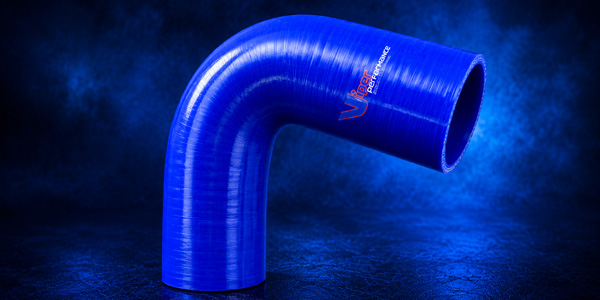
Looking for high-quality elbow silicone hoses that offer exceptional durability and flexibility? At Viper Performance, we specialise in manufacturing precision-engineered silicone hoses that are trusted across automotive, marine and industrial applications.

Our elbow silicone hose range is designed to handle extreme temperatures, high pressure, and tight engine bay layouts—making it the ideal solution for high-performance builds.

Why Choose Viper Performance Elbow Silicone Hoses?

Viper Performance elbow hoses are made from premium-grade multi-layer silicone and reinforced with polyester or Nomex for added strength. Whether you’re routing coolant, managing airflow, or building a custom turbo system, our silicone elbows deliver long-lasting performance and reliability.

Key Benefits of Our Silicone Elbow Hoses:

• Available in multiple angles: 15°, 30°, 45°, 60°, 90°, 120°, 135°, and 180°
• Leg lengths typically 102mm for easy installation
• Manufactured in 3-ply, 4-ply or 5-ply reinforced silicone
• Withstands temperatures from -40°C up to 170°C (220°C with Nomex designs)
• Compatible with coolant, air and water. Special lining can be added for oil, fuel and OAT coolants.
• Available in blue or black for a professional finish
Whether you need a standard 90-degree bend or a space-saving J-shaped hose, our vast selection ensures you’ll find the exact configuration to match your setup.

Explore the full range here:
👉 Elbow Silicone Hoses

Perfect for Tight Spaces and Custom Builds

Elbow silicone hoses are essential when space is limited or when a straight hose would create unnecessary tension or bends. Our precision-formed elbows help reduce stress on connectors and maintain a smooth, unrestricted flow of coolant or air, improving engine efficiency and reliability.

Common Applications:

• Turbocharger systems
• Intercooler piping
• Radiator and coolant routing
• Air intake and breather systems
• Marine engine bay installations

Each hose is carefully designed to offer consistent internal diameter, wall thickness, and bend radius, ensuring a snug fit and minimal flow loss.

Wide Range of Sizes and Configurations

Our elbow hoses are available in a wide variety of internal diameters, ranging from 6mm to 204mm, making them suitable for everything from small vacuum lines to heavy-duty coolant and intake systems.

We also offer:
• Long-leg elbow hoses for extra flexibility
• L-shaped and J-shaped hoses for compact spaces
• Custom-length options on request
• Fluoro-lined options for fuel and oil resistance

Need something bespoke? Contact our team for custom silicone hose solutions tailored to your specifications.

Order with Confidence

All Viper Performance silicone hoses are manufactured to high-spec standards. When you choose Viper, you’re getting race-proven quality, trusted by professionals worldwide.

The Role of Flexible Hoses in Subsea Robotics

When we think about the technology behind subsea exploration, our minds often jump to remotely operated vehicles (ROVs), advanced sensors and high-definition underwater cameras. But beneath the surface lies a critical component that keeps these systems moving: flexible hoses.

In the demanding world of subsea robotics, flexible hoses are the unsung heroes that ensure hydraulic power, data transmission and essential fluids reach where they are needed, even in the harshest marine environments.

Why Flexible Hoses Are Vital in Subsea Robotics

Subsea robotics operate in extreme conditions including high pressures, low temperatures and corrosive saltwater. Standard hoses would not survive, which is why marine-grade flexible hoses are engineered with specialised materials to deliver:

  • Pressure resistance – Capable of withstanding the crushing pressures found hundreds or thousands of metres underwater.
  • Corrosion resistance – Built to resist damage from saltwater and marine organisms.
  • Flexibility – Essential for robotic arms and moving components to operate without restriction.
  • Durability – Designed for long-term use in challenging subsea environments.

Applications of Flexible Hoses in Underwater Robotics

In subsea robotics, flexible hoses have several critical functions:

  1. Hydraulic Systems – Many ROVs rely on hydraulic actuators to power manipulator arms, cutters and sampling tools. Flexible hoses carry the pressurised fluid that makes these movements possible.
  2. Umbilical Cables – Flexible hose assemblies often form part of an umbilical cord system, combining hoses and electrical cables to transmit power, control signals and data between the ROV and the surface vessel.
  3. Cooling Systems – Subsea electronics and motors generate heat, even in cold waters. Flexible hoses can carry coolant fluids to regulate temperatures.
  4. Pneumatic Applications – In some cases, flexible hoses deliver compressed air for specific underwater tasks or tools.

Engineering for Extreme Conditions

Designing subsea robotics hoses is not just about making them waterproof. Engineers must ensure:

  • Abrasion resistance for contact with rocks, reefs or equipment.
  • Biofouling protection to prevent marine growth that could impair function.
  • Torsion and bend tolerance to withstand the constant motion of currents and robotic movements.

The Future of Flexible Hoses in Subsea Exploration

As subsea robotics advances so will the demands placed on flexible hoses. Innovations in composite materials, reinforced linings and smart sensor integration are set to make these hoses even more reliable. Future designs may even incorporate real-time monitoring of hose integrity to prevent failures during critical missions.

From the deck of a research vessel to the depths of the ocean floor, flexible hoses play a pivotal role in subsea robotics, keeping exploration, repair and data collection flowing smoothly beneath the waves.

Silicone Hoses in Agriculture: Tough Enough for the Field

Silicone Hoses Agriculture

Please note this image was licenced under Envato Elements and any re-use is prohibited.

When most people think about silicone hoses, they picture them in performance vehicles, industrial plants, or even aerospace applications. But there’s another sector where silicone hoses are proving their worth — agriculture. Out in the fields, farm machinery and irrigation systems face some of the harshest working conditions, and silicone hoses are rising to the challenge.

Why Agriculture Demands More from Hoses

Farm equipment and irrigation systems must operate reliably in environments that combine:

  • Temperature extremes – Hot summer days and freezing winter mornings.
  • Constant vibration – From engines, pumps, and moving equipment.
  • Exposure to chemicals – Including fertilisers, pesticides, and cleaning agents.
  • Dust, dirt, and moisture – Everyday hazards on the farm.

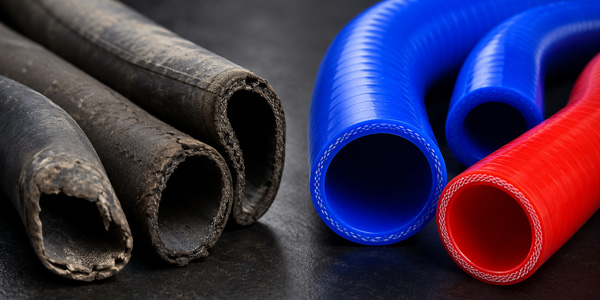
Standard rubber hoses can crack, degrade or become brittle over time under these conditions, leading to costly downtime. This is where agricultural silicone hoses shine.

The Benefits of Silicone Hoses in Agriculture

  1. Temperature Resistance
    High temperature silicone hoses can withstand continuous use in extreme heat while also remaining flexible in sub-zero conditions. This makes them ideal for year-round farming operations.
  2. Chemical Resistance
    Silicone is naturally resistant to many agricultural chemicals, helping extend the lifespan of hoses used with sprayers, pumps and chemical transfer equipment.
  3. Durability and Longevity
    Whether exposed to UV rays, ozone, or abrasive dust, silicone hoses maintain their integrity far longer than many other hose materials.
  4. Flexibility Under Stress
    Even when machinery vibrates or shifts position, flexible silicone hoses keep fluids flowing without kinking or splitting.

Common Agricultural Applications for Silicone Hoses

  • Irrigation and Water Transfer – Moving water from pumps to fields efficiently.
  • Machinery Cooling Systems – Ensuring tractors, harvesters, and other equipment run smoothly.
  • Chemical Spraying Equipment – Delivering fertilisers and pesticides without hose degradation.
  • Grain and Feed Processing – Transporting materials in environments with fluctuating temperatures.

Why Farmers Are Making the Switch

Downtime in agriculture can mean lost crops, missed planting windows, or costly repairs. By switching to silicone hoses, farmers benefit from:

  • Lower maintenance costs
  • Longer service intervals
  • Improved reliability in all seasons

In other words, silicone hoses are tough enough for the field and smart enough for the long haul.

From irrigation systems to heavy-duty tractors, silicone hoses are helping modern farms stay productive in challenging environments. With their resilience, flexibility and chemical resistance, these hoses are more than ready to handle the demands of today’s agriculture.

Could Silicone Hoses Work on Mars? (NASA Thinks So)

High Temperature Flexible Silicone Hoses

When you think of silicone hoses, your mind probably goes to high-performance engines, turbochargers, or industrial machinery here on Earth. But what if we told you that NASA has been exploring the use of silicone materials — including hoses — for missions beyond our planet? Yes, even as far as Mars.

Why Silicone Hoses Are Out of This World

Silicone hoses are already a favourite in the automotive, aerospace and industrial worlds thanks to their:

  • Extreme temperature resistance – They perform reliably in extreme cold and hot temperatures.
  • Flexibility – Even in freezing conditions, silicone hoses stay pliable rather than becoming brittle.
  • Durability – Resistant to UV, ozone and many chemicals, they thrive where other hose materials fail.

Now think about the Martian environment: freezing cold nights hitting -100°C, sudden temperature swings and atmospheric dust storms. It’s a tough place for any material — but silicone hoses are uniquely positioned to handle it.

NASA’s Interest in Silicone for Space Missions

While NASA won’t be plumbing turbocharger systems on Mars, it will need reliable fluid transfer and air handling solutions in habitats, rovers and life-support systems. Silicone’s temperature stability and long-term flexibility make it a prime candidate for these demanding conditions.

Silicone hoses could play a role in:

  • Transporting coolant fluids in Martian rovers and habitat systems.
  • Supplying breathable air between oxygen generation systems and living quarters.
  • Handling water recycling in closed-loop life-support setups.

Challenges of Mars — and How Silicone Helps

Mars poses unique engineering challenges:

  • Low atmospheric pressure means hoses must retain strength without collapsing.
  • Extreme dust can degrade some materials, but silicone’s chemical structure resists abrasion and surface cracking.
  • Thermal cycling from day to night is far harsher than Earth’s, and silicone’s elasticity helps prevent stress fractures.

From Race Tracks to Red Planets

It’s fascinating that the same silicone hoses used in high-performance motorsport and heavy industry here on Earth could one day help astronauts survive millions of kilometres away. Whether it’s under the bonnet of a supercar or inside a Mars habitat, the mission is the same: reliable performance under extreme conditions.

If you’re looking for high-quality silicone hoses for your own high-performance projects, whether that’s for motorsport, marine, industrial or maybe your own “Mars mission” — our range is built to withstand the toughest environments.

Our New High-Performance Reinforced Silicone Blanking Caps

When it comes to sealing and protecting crucial components under extreme conditions, you need a solution that offers unmatched durability and performance. Introducing our High-Performance Reinforced Silicone Blanking Caps—engineered to meet the demands of high-pressure, high-heat environments while delivering long-lasting reliability.

Designed for Strength and Flexibility

Our premium reinforced silicone blanking caps are crafted with a 1mm inner silicone liner, providing a robust seal that keeps your systems protected under pressure. What sets these caps apart is their innovative construction—reinforced with three or four plies of high-strength polyester. This advanced reinforcement makes them resistant to heat, pressure, and mechanical stress, ensuring they stand up to even the most demanding applications.

Versatile and Secure Fit

Whether you’re working in automotive, industrial, or high-performance fields, our silicone blanking caps are designed to meet a variety of needs. The rounded top design boosts structural integrity, ensuring a snug, secure fit over pipes, tubes and ports. These caps offer flexibility and strength, making them ideal for both temporary and long-term blanking needs.

Tough Enough for Any Job

From sealing off unused turbocharger ports to protecting intake components or fluid lines, our heavy-duty silicone caps provide reliable, leak-proof sealing. Their polyester-reinforced silicone construction ensures long service life, even in the harshest conditions. With these caps in place, you can count on superior sealing, whether you’re working on automotive systems, industrial machinery, or high-performance engines.

Long-Lasting Performance

Our high-performance reinforced silicone blanking caps are more than just a temporary fix—they’re built for the long haul. Designed to withstand extreme temperatures and pressure fluctuations, they deliver excellent performance and protection over time, reducing the risk of failure and downtime.

When quality and durability matter, trust our silicone blanking caps to provide the performance you need. They’re engineered to withstand the toughest environments, offering superior sealing and protection, no matter what challenges you face.

Ready to Experience Unmatched Performance?

Don’t settle for less when it comes to protecting your systems. Upgrade to our High-Performance Reinforced Silicone Blanking Caps today and enjoy superior sealing, durability, and long-lasting reliability. Whether you’re in automotive, industrial, or high-performance applications, our caps are designed to meet your toughest challenges.

Why Aluminium Pipes Outperform Steel in High-Performance Applications

In high-performance industries like motorsport, aerospace and advanced manufacturing, material choice is everything. While steel has long been the standard for strength and durability, aluminium pipes are quickly becoming the top choice for engineers and performance enthusiasts alike.

Here’s why aluminium consistently comes out on top when performance really counts.

Lighter Weight, Greater Performance

One of aluminium’s most significant advantages is its low weight. Weighing roughly a third of steel, aluminium dramatically reduces the overall mass of a vehicle or system. In performance settings, less weight means faster acceleration, sharper handling and better fuel efficiency.

This makes aluminium the ideal choice for applications where speed and responsiveness are key, such as custom turbo setups or high-performance intake systems.

Excellent Corrosion Resistance

Steel is prone to rust if not treated or coated, especially in harsh environments. Aluminium, on the other hand, naturally forms a protective oxide layer that resists corrosion. This makes it especially suitable for use in exposed engine bays, coastal environments, or anywhere moisture is a concern.
With aluminium, you get long-lasting durability with minimal maintenance.

Superior Heat Management

Aluminium is a highly efficient conductor of heat, which is critical in systems that operate under high temperatures. From intercooler and radiator piping to turbo manifolds, aluminium helps dissipate heat quickly and maintain optimal operating conditions.

Keeping components cooler means more reliable performance and reduced wear over time.

Easier to Fabricate and Customise

Aluminium is more malleable and easier to work with than steel. It can be bent, welded, and cut with greater ease, making it a favourite among fabricators and DIY enthusiasts. Whether you’re designing a custom exhaust system or routing charge pipes through a tight engine bay, aluminium gives you the flexibility to bring your ideas to life.

A Smarter Environmental Choice

Aluminium is 100% recyclable without losing its properties. It requires less energy to produce than steel, and its lighter weight contributes to improved fuel economy in vehicles. For performance projects with an eye on sustainability, aluminium offers a responsible and efficient solution.

Final Thoughts

While steel still has its place in certain heavy-duty applications, aluminium clearly shines in high-performance environments. Its lightweight nature, thermal efficiency, corrosion resistance and ease of fabrication make it the preferred material for those looking to get the most out of their build.

If performance, reliability and innovation are your priorities, aluminium pipes are the smart choice.