
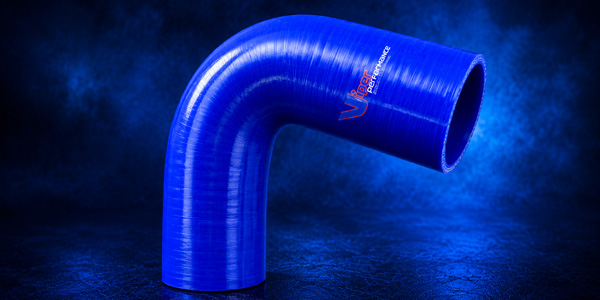
Silicone hoses have earned a reputation for being one of the most durable and reliable options for cooling, turbo and intake systems. Whether they’re fitted to a performance car, commercial vehicle or motorsport application, they’re designed to withstand demanding conditions that would quickly take their toll on traditional rubber hoses.
But how long do silicone hoses actually last?
The good news is that a high-quality silicone hose can often provide 10 years or more of reliable service when installed correctly and used within its intended operating limits. In many cases, they will comfortably outlast standard rubber hoses, making them a worthwhile long-term investment for both everyday drivers and performance enthusiasts.
Why Silicone Hoses Last Longer
Engine bays are harsh environments. Components are constantly exposed to heat, pressure, vibration and changing weather conditions, all of which contribute to the gradual deterioration of standard rubber hoses.
Silicone performs far better under these conditions. It remains flexible across a wide temperature range, resists cracking and is far less affected by UV exposure, ozone and general ageing. This allows it to maintain its performance for much longer, even when subjected to demanding driving conditions.
For vehicles that regularly experience higher operating temperatures, such as turbocharged or modified cars, silicone hoses provide an extra level of reliability that many drivers appreciate.
What Can Affect Their Lifespan?
Although silicone hoses are incredibly durable, their lifespan isn’t determined by the material alone.
The quality of the hose plays a significant role. Premium multi-ply reinforced silicone hoses are manufactured using higher-grade materials and stronger reinforcement, allowing them to cope with greater pressure and temperature without compromising performance.
Installation is equally important. A poorly fitted hose or incorrect hose clamp can place unnecessary stress on the material and reduce its lifespan. Using the correct fittings and ensuring the hose is routed properly helps maximise its durability.
Regular vehicle maintenance also makes a difference. While silicone hoses require very little attention, checking them during routine servicing can identify any signs of accidental damage before they become more serious.
Do Silicone Hoses Ever Need Replacing?
Although silicone hoses last significantly longer than rubber alternatives, they won’t last forever.
Like any engine component, they should be inspected periodically, particularly on vehicles that are driven hard or used in motorsport. Physical damage is far more likely to cause a hose to fail than the silicone material itself.
You should consider replacing a hose if you notice:
• Cuts, tears or excessive abrasion
• Coolant leaks around the hose connections
• Swelling, distortion or obvious signs of damage
• Evidence that the hose has been rubbing against nearby components
These issues are relatively uncommon with quality silicone hoses, but routine inspections are always worthwhile.
Are Silicone Hoses Worth the Extra Cost?
Silicone hoses are typically more expensive than standard rubber hoses, but the longer lifespan often makes them better value over time.
Rather than replacing ageing rubber hoses every few years, many vehicle owners fit silicone hoses once and enjoy years of dependable performance. This can reduce maintenance costs while providing greater confidence that the cooling system will continue to perform reliably.
They’re also a popular choice because they improve the appearance of an engine bay.
Available in a wide range of colours and finishes, silicone hoses offer both practical and visual benefits, making them a common upgrade for enthusiasts and professional builders alike.
Choosing the Right Silicone Hose
Not every silicone hose is manufactured to the same standard. Investing in a quality product from a trusted manufacturer can make a noticeable difference in both performance and longevity.
Look for hoses that are reinforced for their intended application and designed to withstand the temperatures and pressures your vehicle is likely to experience. A correctly specified hose will perform more consistently and provide a much longer service life than a lower-quality alternative.
Final Thoughts
For most vehicles, a high-quality silicone hose can easily last 10 years or more, often outlasting traditional rubber hoses by a considerable margin. Their excellent resistance to heat, pressure and ageing makes them a dependable choice for road cars, performance vehicles and motorsport applications alike.