
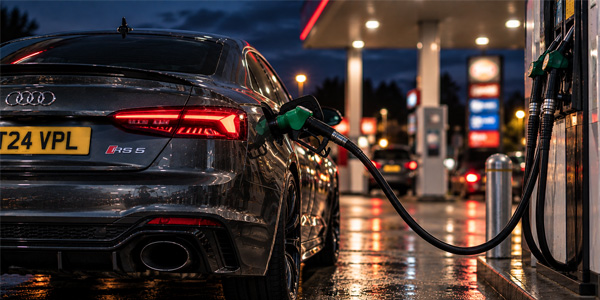
Choosing the correct fuel hose is essential for safety, reliability and performance.
Whether you’re replacing an old fuel line, restoring a classic car or building a modified vehicle, the hose must be compatible with the fuel running through it.
Not every automotive hose is suitable for petrol or diesel, and using the wrong material can lead to deterioration, leaks and eventual failure.
Can You Use Silicone Hose for Fuel?
Standard silicone hose should not be used for fuel.
Silicone hoses are ideal for applications involving coolant, water, air and induction systems, but standard silicone isn’t designed for continuous contact with petrol or diesel. Exposure to fuel can cause the material to deteriorate over time.
Specialist hoses with fuel-resistant liners are available, but you should always check that the specific hose is rated for the fuel and application before fitting it.
Is Nitrile Rubber Suitable for Fuel?
Nitrile rubber (NBR) is widely used for automotive oil/fuel lines because of its resistance to petroleum-based E5 fuels, Diesel and oils. (Not suitable for Biodiesel)
Viper Performance offers SAE J30 R6 nitrile rubber fuel hose in a choice of internal diameters. It is suitable for E5 unleaded petrol and diesel, making it a versatile option for many automotive fuel systems. For E10 unleaded fuels Nitrile is not recommended for extended periods of time.
For conventional fuel lines where a flexible rubber hose is required, correctly specified nitrile hose is often an excellent choice.
Can You Use PTFE Hose for Fuel?
PTFE hose is another popular option, particularly for modified vehicles, motorsport and custom fuel systems.
PTFE offers excellent chemical resistance and can be combined with stainless steel braiding to create a strong, durable fuel line capable of handling demanding conditions and higher pressures. PTFE is suitable for all E10 fuels, ethanol, methanol and diesel fuels including biodiesel.
The right choice between nitrile and PTFE will depend on your vehicle, fuel type and the pressure requirements of the system. PTFE is our most commonly use fuel hose with corresponding fittings.
What Hose Should You Use for a Fuel Filler?
Fuel filler hose has a different role to the smaller hoses used within a vehicle’s fuel system.
It usually requires a much larger internal diameter and needs to be flexible enough to connect the filler neck securely to the fuel tank. A dedicated fuel filler hose should therefore be used rather than substituting another type of hose simply because it’s the right size.
Viper Performance fuel filler hoses feature a fuel-resistant nitrile rubber lining specifically designed for this type of application. Due to less exposure, E10 should not cause issue with the Nitrile lining however, we always recommend regular servicing of any fuel related product.
Does the Type of Fuel Matter?
Always check the fuel compatibility of a hose before installation.
Petrol, diesel, ethanol blends, methanol and specialist motorsport fuels can have different effects on hose materials. A hose suitable for conventional petrol isn’t automatically suitable for every fuel.
This is becoming increasingly important as the composition of modern road fuels changes and ethanol content increases.
Consider Pressure, Temperature and Hose Size
Fuel compatibility isn’t the only consideration. You should also check the working pressure, operating temperature and internal diameter required by your fuel system.
A classic carburetted engine and a modern high-pressure fuel-injection system can place very different demands on their fuel lines.
Correct sizing is important too. The hose needs to provide sufficient fuel flow while connecting securely to the appropriate fittings. Clamps, connectors and fittings should also be suitable for the application.
When Should Fuel Hose Be Replaced?
Fuel hoses should be checked regularly, particularly on older and classic vehicles.
Signs that a hose may need replacing include cracking, hardening, swelling, abrasion and deterioration around connections. A noticeable smell of fuel should also be investigated immediately.
If the age or condition of an existing hose is uncertain, replacing it with a correctly specified modern fuel hose can be a sensible precaution.
Which Fuel Hose Should You Choose?
For many conventional automotive applications, nitrile rubber fuel hose provides excellent flexibility and fuel resistance. For more demanding performance, motorsport or custom applications, PTFE fuel hose may be more appropriate.
Fuel filler connections should use dedicated fuel filler hose, while standard silicone hose should not be used as a conventional fuel line.
Whatever the application, always match the hose to the fuel type, pressure, temperature and requirements of your vehicle.
Shop Fuel Hose at Viper Performance
Need the right hose for your fuel system? Shop Viper Performance fuel hoses and fittings online and choose the right solution for your vehicle.