Comparing Carbon Fibre to Traditional Materials in Race Car Design!

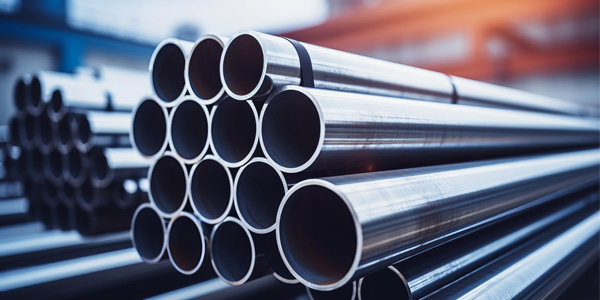
Carbon Fibre Pipes in race car design

Please note this image was licenced under Envato Elements and any re-use is prohibited.

The use of carbon fibre in race car design marks a significant technological advancement compared to traditional materials like steel and aluminium. Known for its exceptional strength-to-weight ratio, carbon fibre allows for the creation of vehicles that are not only lighter but also capable of higher performance levels. This reduction in weight enhances speed and agility, making race cars more competitive on the track.

At Viper Performance we have a range of carbon fibre pipes, straight pipes and elbow pipes available.

Benefits Over Steel and Aluminium

Unlike steel, carbon fibre does not corrode, which prolongs the lifespan of the race car’s components and reduces maintenance needs. Additionally, its ability to absorb energy in crashes offers superior safety, a critical aspect in high-speed racing environments. Compared to aluminium, carbon fibre provides greater rigidity, which is crucial for maintaining stability at high speeds and improving the vehicle’s handling characteristics.

The Challenges of Integration

However, integrating carbon fibre into race car design is not without challenges. The material’s high cost and complex manufacturing processes can increase the initial investment significantly. Moreover, repairing carbon fibre components can be more complicated and costly than traditional materials, which could pose logistical challenges during race seasons.

The Future of Race Car Materials

As technology advances, the use of carbon fibre in race car design is likely to become more prevalent and cost-effective. Innovations in manufacturing and recycling technologies may reduce the environmental impact and costs associated with this revolutionary material.

Carbon fibre has dramatically shifted the paradigms of race car design, providing significant performance and safety advantages over traditional materials, despite its current drawbacks and higher costs.

The Evolution of Performance Cars: From Classic Muscle to Modern Speed Demons

Custom Silicone Hoses for classic and sport cars

Please note this image was licenced under Adobe stock and any re-use is prohibited.

The story of performance cars begins in the 1960s with the birth of the muscle car in America. Models like the Ford Mustang and Chevrolet Camaro epitomised the era with their massive V8 engines, offering raw power and an aggressive style that symbolised freedom and rebellion.

Transition to Technological Advancements

During the 1970s and 1980s, the automotive world faced fuel crises and stringent regulations, pushing manufacturers to innovate beyond raw power. This period marked a shift towards more aerodynamically efficient designs, the introduction of turbocharging, and advanced electronic aids, signalling a move from sheer horsepower to enhanced handling and efficiency.

The Rise of Modern Supercars

Today’s performance cars blend technology with power. Supercars like the McLaren P1 and Ferrari LaFerrari feature hybrid powertrains and materials like carbon fibre. These modern marvels exceed their predecessors in speed, efficiency and advanced safety features, leveraging technology for peak performance.

Digital Enhancements in Performance Cars

Modern performance cars are equipped with digital innovations such as telemetry, advanced driver-assistance systems (ADAS), and real-time predictive analytics. These features optimise the driving experience by adjusting to road conditions and the driver’s style by combining high speed with intelligence and safety.

Looking Ahead: The Future of Performance Cars

The future of performance cars holds promising advancements with electric powertrains and autonomous technologies leading the way. These innovations aim to make cars faster, cleaner and more self-sufficient, continuing the legacy of innovation that started with classic muscle cars.

The journey from classic muscle cars to today’s speed demons illustrates the dynamic evolution of automotive engineering and design, driven by technological advancements and changing cultural landscapes.

Here at Viper Performance we have a range of stock hoses and can customise silicone hoses for classic and performance cars!

The Benefits of Using a Roll Beading Machine in Bespoke Tube Fabrication!

Roll Beading Machine Custom Hoses

As the demand for precise and durable tube components increases across various industries, the need for efficient and reliable fabrication techniques has never been more critical. That is why we stock a roll beading machine to meet your needs. This tool works with a minimum tube size of 22ml and works perfectly with our range of aluminium tubing, avoid using stainless steel.

Precision and Consistency

The primary benefit of using a roll beading machine in tube fabrication is the high degree of precision and consistency it provides. Roll beading machines use rollers to form a bead on the end of a tube, ensuring uniformity across multiple pieces. This is particularly important in custom fabrications where exact specifications are crucial.

Cost-Effectiveness

By automating part of the fabrication process, the machine reduces labour costs and increases production rates. Additionally, the precision and consistency provided by the machine reduce waste and the need for reworks, further driving down the overall costs of tube fabrication projects.

Safety Improvements

Using a roll beading machine also improves safety in the fabrication workshop. The automated nature of the machine minimises direct manual handling of the tubes during the beading process, reducing the risk of injuries commonly associated with manual operations. This is particularly important in environments where workers are repeatedly performing tasks that could lead to strain or injury.

How to Use

Safety First: Always wear appropriate safety gear, such as gloves and eye protection, when operating the machine.

Tube Preparation: Ensure that the tubes are clean and free from any debris or oils. The ends should be cut squarely to facilitate even beading.

Feeding the Tube: Feed the tube steadily into the machine. Maintain a consistent feed rate to ensure uniform bead formation.

Monitoring: Continuously monitor the tube as it passes through the rollers. Watch for signs of buckling or misalignment, adjusting the feed rate or roller pressure as needed.

Maintenance: Regularly maintain the machine to ensure optimal performance. This includes lubricating moving parts, checking for worn rollers, and ensuring that all components are tightly secured.

Conclusion

The roll beading machine is a transformative tool in the field of bespoke tube fabrication, offering numerous benefits that extend from enhanced product quality to operational efficiencies. Its ability to deliver precision, handle diverse materials, and improve production speed makes it an invaluable asset.

Please Note: This tool is to use for your own projects, we do not complete tube fabrication in house.

Special Offers Now On Across Our Range Of Tools & Accessories!

Work Tools & Accessories

Please note this image was licenced under Envato Elements and any re-use is prohibited.

Are you ready to find out about the latest promotions on our extensive selection of tools and accessories. Whether you’re a professional mechanic, a DIY enthusiast, or somewhere in between, our discounted range covers everything from wrenches to specialised hose fitting installation kits. Each product is designed to enhance efficiency and precision in your projects.

Wrenches: Durable and reliable, our wrenches come in various sizes and styles to suit any task. We also offer a multipack.

Flexible Screwdriver: Reach those awkward, tight spaces on wormdrive hose clamps with ease using our versatile flexible screwdrivers.

Silicone Hose Cutting Tool: Get clean, precise cuts every time with our specially designed silicone hose cutters, perfect for custom automotive work.

Tube Flaring Tool: Ensure a perfect fit for your piping with our easy-to-use tube flaring tools, ideal for plumbing and automotive repairs.

Straightening Tool: Straighten metal tubes and hoses quickly without compromising the integrity of the material.

Braided Hose Cutter: Cut through braided hoses smoothly and neatly with our high-quality hose cutters.

Vice Jaws: Protect delicate materials with our specially designed vice jaws, ensuring a secure grip.

Hose Fitting Installation Kit: Everything you need in one kit to fit hoses efficiently and securely, reducing installation time and improving reliability.

Check them out for yourself today! Whether you’re upgrading your toolkit or stocking up on essentials, our special offers provide exceptional value.

Neoprene Ducting: What you need to Know!

Flexible Neoprene Ducting

Neoprene ducting is a versatile and durable solution used in various industries for air, dust and fume management. Known for its flexibility and resilience, neoprene ducting can handle a wide range of temperatures and is resistant to many chemicals, making it an excellent choice for numerous applications.

What is Neoprene Ducting?

Neoprene ducting is made from a synthetic rubber known as neoprene or polychloroprene, which was developed as an oil-resistant substitute for natural rubber. Neoprene ducts are prized for their durability, flexibility, and broad temperature tolerance. The material’s ability to withstand various environmental and chemical stresses makes it ideal for demanding industrial applications.

Applications of Neoprene Ducting

Here at Viper Performance, we have stock ducting mainly for air intake. We can create bespoke ducting to cater to your needs, all you need to do is contact us. Neoprene ducting finds its uses in a variety of sectors:

Automotive: Efficiently directs cool air within engine bays, handles high temperatures in turbocharger systems, and manages airflow in vehicle HVAC systems.

Industrial: In manufacturing plants for dust and fume extraction systems, where chemical resistance and durability are crucial.

Defence: Neoprene ducting is extensively used in naval ships for various systems, including ventilation, heating, and cooling systems.

Marine: Engine room ventilation to remove heat and fumes, air conditioning and heating to maintain comfortable onboard environments. Bilge ventilation to prevent moisture accumulation and potential hazards.

Renewable energy: Flexible neoprene ducting is crucial in renewable energy applications, particularly in wind turbines and biomass energy systems. In wind turbines, it’s used to manage air flow and cooling within the nacelle, protecting sensitive electronic components from overheating.

Maintenance tips

Installing and maintaining neoprene ducting properly can significantly extend its lifespan:

Proper Installation: Ensure that neoprene ducting is correctly fitted and securely fastened. Avoid sharp bends that could restrict airflow as well as lead to wear and tear.

Regular Inspections: Periodically inspect the ducting for signs of wear, such as cracks or loosening fittings and address these issues promptly.

Cleaning: Keeping the ducting clean from dust and debris can prevent blockages and maintain air quality and efficiency.

Conclusion

Neoprene ducting is a highly effective solution for a variety of air transfer applications across numerous industries. Its combination of durability, flexibility, and resistance properties makes it an invaluable component in systems requiring reliable material performance under challenging conditions.

Bespoke Silicone Hoses For The Renewable Energy Industry!

Bespoke Silicone Hoses for the Renewable Energy

Please note this image was licenced under Envato Elements and any re-use is prohibited.

In the advancing field of renewable energy, the demand for custom components is increasing. Silicone hoses, known for their durability and versatility, have emerged as a vital component in various renewable energy systems.

Importance of Bespoke Silicone Hoses in Renewable Energy

Silicone hoses are preferred in the renewable energy sector for many compelling reasons:

Extreme Temperature Tolerance: Silicone hoses can perform under severe thermal stresses, enduring fluctuating temperatures. This property is crucial for equipment exposed to the unpredictable temperatures of outdoor environments.

Chemical and Weather Resistance: Silicone hoses offer excellent resistance to UV light, ozone and varying weather conditions, ensuring longevity as well as reliability in harsh outdoor settings.

Customisation: The ability to tailor-make silicone hoses in various shapes, sizes and with specific reinforcements allows them to meet the unique demands of different renewable energy applications.

Eco-Friendly: Silicone is a more environmentally friendly alternative to many traditional materials due to its longer service life and non-toxic properties when disposed.

Applications Across Renewable Energy Technologies

Solar Power

In solar power systems, silicone hoses are used in cooling circuits of photovoltaic inverters and in thermal management systems for concentrated solar power plants. Their heat resistance is crucial for managing the high temperatures generated by these systems, thereby ensuring optimal performance whilst preventing heat-related damages.

Wind Energy

Wind turbines utilise bespoke silicone hoses in several systems including hydraulic pitch control systems and cooling systems for gearboxes as well as generators. The hoses’ ability to perform under varying pressures and temperatures contributes significantly to the maintenance of these critical components.

Hydroelectric Power

For hydroelectric power, silicone hoses are used in water management systems and turbines where they must resist moisture, pressure and temperature fluctuations. Their robustness helps prevent leaks or mechanical failures, which are critical in maintaining the efficiency and safety of hydroelectric plants.

Biomass Energy

Biomass energy production involves the handling of organic materials at high temperatures. Silicone hoses in these applications are custom-designed to be non-reactive with biological materials and capable of withstanding high thermal loads without degrading.

Future Trends

The future of bespoke silicone hoses in renewable energy looks promising as technological advancements continue to push the boundaries of what these components can achieve. Innovations may include the development of new silicone composites or the integration of smart technologies that can monitor the health and efficiency of the hoses in real-time.

We have a wide range of stock hoses and can also provide bespoke silicone hoses tailored to your needs.

Understanding The Basics Of Worm Drive Hose Clamps!

Worm drive hose clamp

Worm drive hose clamps are a ubiquitous component in many mechanical systems, serving a fundamental purpose: securely attaching and sealing a hose onto a fitting. Whether for automotive repairs, industrial applications, or home plumbing systems, understanding how worm drive hose clamps work can help ensure that they are used correctly and effectively.

What is a Worm Drive Hose Clamp?

A worm drive hose clamp, often simply called a hose clamp, consists of a metal band with a screw pattern cut or pressed into it, and a tightening screw that sits in a housing attached to one end of the band. When the screw is turned, it moves along the threads of the band, causing the band to tighten around a hose and ensuring a secure fit.

Key Features of Worm Drive Hose Clamps

Versatility: Worm drive hose clamps are adjustable, which makes them suitable for a wide range of hose sizes and types. They can be used to secure hoses in automotive cooling systems, household plumbing, and even in applications involving harsh chemicals or high pressures.

Durability: Typically made from stainless steel, worm drive hose clamps are designed to withstand harsh environments and provide a durable, long-lasting solution to hose attachment needs.

Uniform Pressure Distribution: Unlike some other types of clamps, worm drive hose clamps provide even pressure all around the hose. This prevents the hose from collapsing or becoming damaged under the clamp’s pressure, which is particularly important for soft hoses.

Overview

Worm drive hose clamps are a reliable and essential tool in many toolkit boxes. With their straightforward design and ease of use, they provide a strong, durable method to secure hoses across a multitude of applications.

New Product Alert: Flexible Screwdriver

Tool chest with a range of tools including flexible screwdrivers

Please note this image was licenced under Envato Elements and any re-use is prohibited.


Say goodbye to the hassle of tightening wormdrive clamps in hard-to-reach places! Our latest product, the Flexible Screwdriver, is here to revolutionise your toolkit. This versatile tool is designed to navigate tight angles and awkward spaces effortlessly, making it a must-have for both professional handymen and DIY enthusiasts.

Key features

Enhanced Flexibility: The Flexible Screwdriver features a robust and flexible shaft. This unique flexibility bends and twists to navigate around obstacles effortlessly. The flexible screwdriver offers true versatility.

Durability & Strength: Constructed with high-quality materials, this screwdriver is built to withstand rigorous use and resist wear and tear. The sturdy handle ensures a firm grip and provides the necessary torque to handle tough screws while the flexible shaft maintains its integrity even when fully bent.

Ideal for Professionals and Amateurs Alike

This tool isn’t just for professional tradespeople. Its intuitive design makes it perfect for anyone to use, including hobbyists and DIY enthusiasts who want to make quick, efficient repairs or adjustments around the house.

Custom Silicone Hoses For Plant & Machinery!

custom silicone hoses for plant & machinery

Please note this image was licenced under Adobe stock and any re-use is prohibited.

In the industry of industrial plants and heavy machinery, efficiency and reliability are paramount. Custom silicone hoses serve as vital components in a wide array of applications, from manufacturing facilities to heavy-duty construction equipment. These hoses offer exceptional durability, resistance to extreme temperatures, and flexibility, making them indispensable in today’s industrial toolkit.

Key Applications

Manufacturing Plants:

Coolant Systems: Silicone hoses are used in the coolant systems of CNC machines and other manufacturing equipment to manage temperature and prevent overheating, preserving machine life.

Air Ducts and Ventilation: They are also used in HVAC systems within plants to transport air efficiently, thanks to their excellent thermal properties and flexibility.

Construction & Heavy Machinery:

Hydraulic Systems: In bulldozers, excavators, and other heavy machinery, silicone hoses are used in hydraulic systems. They help maintain the flow of hydraulic fluids at high temperatures, which is crucial for the machinery’s operational efficacy.

Turbocharger Systems: Silicone hoses are perfect for connecting the intercooler, turbocharger, and the engine’s intake in construction vehicles. Their ability to withstand high pressures and temperatures can boost engine efficiency.

Agricultural Equipment

Irrigation Systems: Durable and flexible, silicone hoses are ideal for use in agricultural irrigation systems, facilitating the efficient transport of water and agricultural chemicals over extensive areas.

Pesticide Sprayers: Silicone hoses are resistant to the harsh chemicals found in pesticides, making them suitable for use in pesticide sprayer systems.

We have got you covered!

If you need custom silicone hose solutions that meet the specific demands of your industry, do not hesitate to contact us. We specialise in providing custom silicone hoses in large quantities.

Silicone Hoses: The Vital Link in Enhancing Fuel Cell Efficiency

Silicone Hoses Fuel Cell Applications

Please note this image was licenced under Adobe stock and any re-use is prohibited.

In the quest for cleaner, more sustainable energy solutions, fuel cells have emerged as a pivotal technology, generating electricity through eco-friendly processes. As industries strive to harness the full potential of fuel cell technology, the role of seemingly minor components, such as silicone hoses, becomes increasingly critical.

The Role of Silicone Hoses in Fuel Cell Systems

Silicone hoses, known for their durability and resistance to extreme temperatures and pressures, have found a unique niche in the fuel cell sector. Their primary role is to ensure the secure transport of gases and liquids within the system.

Temperature Resistance

Fuel cells operate at high temperatures, necessitating materials that can withstand such conditions without degrading. Silicone hoses excel in this area, maintaining their integrity and performance over a wide temperature range. This resilience ensures that the fuel cell’s internal processes, from hydrogen delivery to water management, are conducted efficiently, directly contributing to the system’s overall energy output and longevity.

Compatibility

The chemical stability of silicone hoses is another vital attribute in fuel cell applications. FKM lined silicone hoses have excellent qualities in terms of resistance to corrosive substances that can be produced during the fuel cell’s operation, ensuring that the components remain intact and functional over time. There has been an increase in demand for FKM lined silicone hoses due to the significant reduction in permeation rates.

Flexibility and Durability

The flexibility of silicone hoses allows for easy installation and accommodation of complex routing requirements within fuel cell stacks. Their durability reduces the likelihood of leaks or ruptures, which can lead to efficiency losses and potential safety hazards. By providing a reliable conduit for critical materials, silicone hoses help maintain the continuous, uninterrupted operation of fuel cell systems.

A Sustainable Future Powered by Innovation

As the world moves towards greener energy solutions, the efficiency and reliability of these technologies become paramount. When it comes to fuel cells, every component counts, and silicone hoses have proven to be a vital link in enhancing system performance.