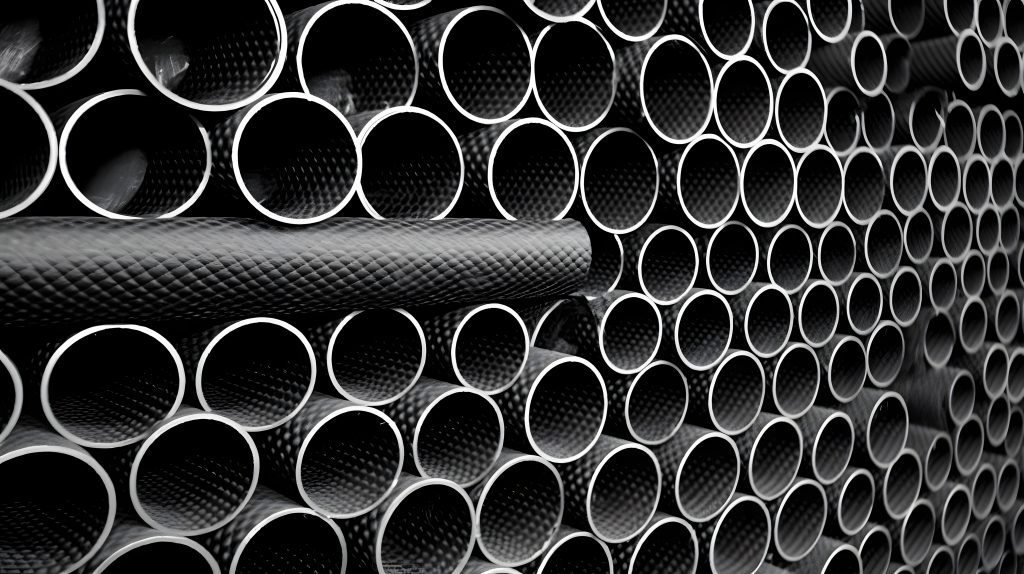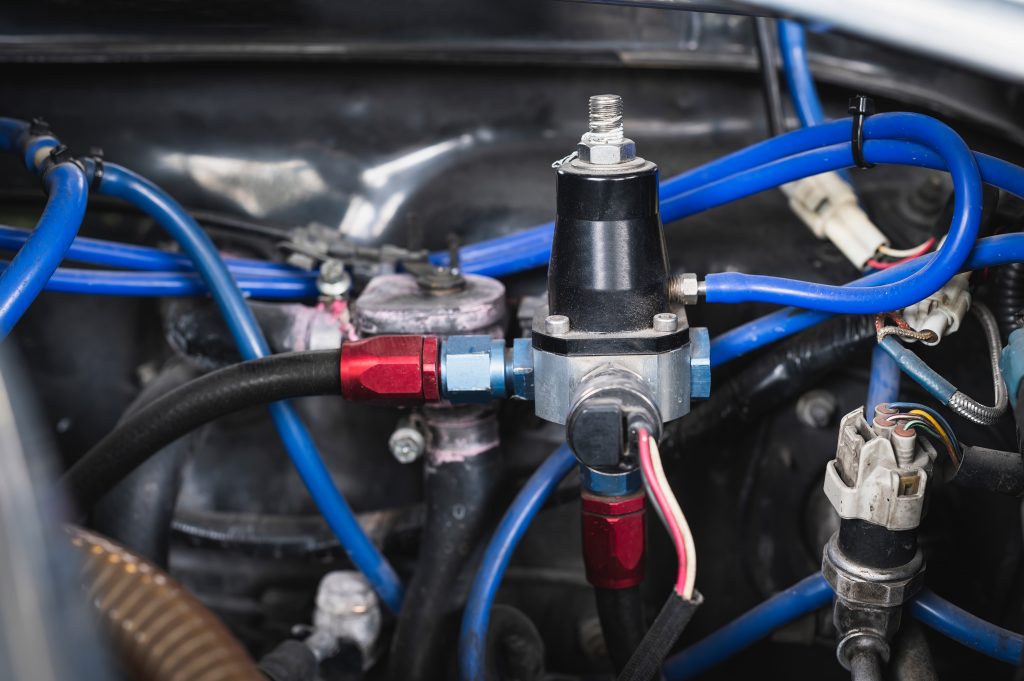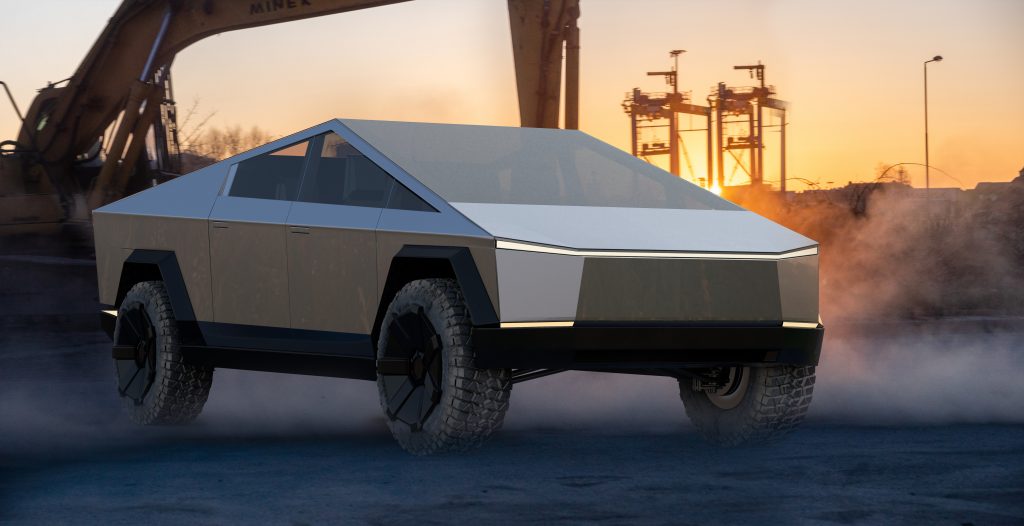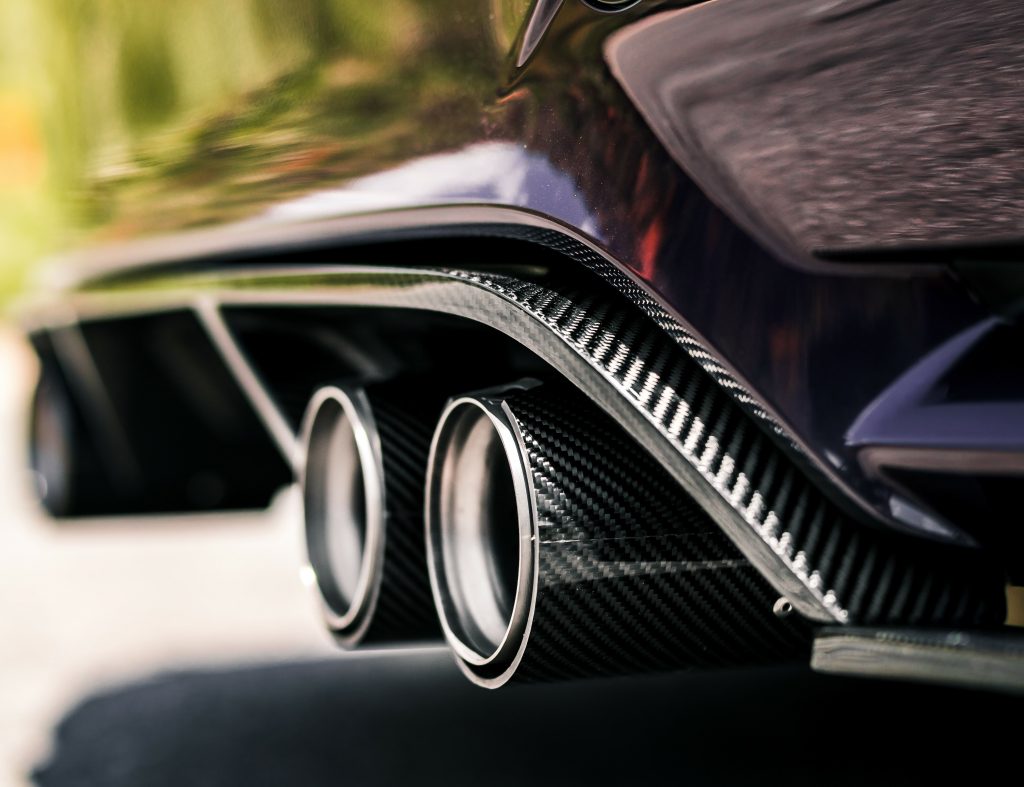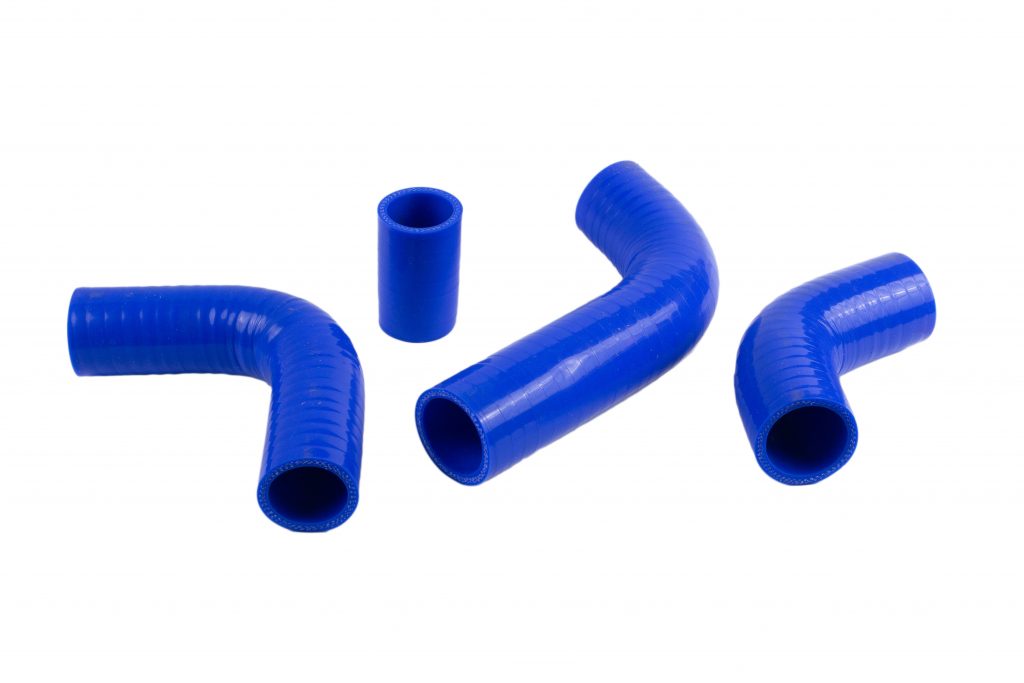
What are carbon fibre pipes used for?

This image is licenced under Adobe Stock. Please refrain from using it without proper permission.

Quality is paramount, but what do carbon fibre pipes really do?

Carbon fibre pipes are a type of lightweight and strong material that has become increasingly popular in recent years. They are made by weaving carbon fibres together into a rigid structure, which is then reinforced with epoxy resin. The resulting material is incredibly strong and durable, making it ideal for a wide range of applications.

One of the major applications of carbon fibre pipes is in the automotive industry. Here, they are used in everything from racing cars to everyday vehicles. Carbon fibre pipes are ideal for use in racing cars, where weight reduction is crucial to achieving high speeds and agility. They are also used in the production of high-end sports cars, where their strength and durability make them ideal for use in everything from body panels to suspension components.

Carbon fibre pipes are also used extensively in the construction industry. They are commonly used in the construction of bridges and other large structures, where their strength and durability make them ideal for use in everything from support beams to reinforcement rods. They are also used in the production of wind turbines, where their lightweight and high-strength properties make them ideal for use in everything from rotor blades to tower structures.

The marine industry is another area where carbon fibre pipes are commonly used. They are ideal for use in boats and other watercraft, where their strength and resistance to corrosion make them ideal for use in everything from hulls to masts. They are also used in the production of offshore oil rigs and other marine structures, where their strength and durability make them ideal for use in harsh environments.

When compared to other materials such as silicone, carbon fibre offers a high strength-to-weight ratio that makes it particularly beneficial in industries that require high quality for performance, while also keeping weight down. Such as Formula 1 where we are seeing more and more teams adopt carbon fibre as a material for increased performance & competitiveness.

Interested in discovering our carbon fibre pipe range? Check it out here.

Can silicone hoses be made in any colour?

Can our silicone hoses really be made in any colour?

Here at Viper Performance, we stock a wide range of high-quality silicone hoses that can be pigmented or dyed to achieve a wide range of colours, however there are some limitations and considerations to keep in mind when choosing if to dye your silicone hoses:

1. Lightfastness: Some pigments and dyes may not be able to withstand prolonged exposure to UV light or high temperatures, which can cause the colour of your silicone hose to fade or change over time.

2. Chemical resistance: Certain colours or dyes may not be compatible with certain chemicals or fluids, which can cause the colour to break down or leach out of the material.

3. Cost: Some pigments or dyes may be more expensive than others, which can affect the overall cost of the silicone hose and it’s material. Pigments (Masterbatch) are purchased in minimum quantities from our pigment suppliers, then the colour mixing process (milling) must be manufactured in batches of 20kg minimum.  It is not cost-effective to process a custom or special colour unless there is a substantial volume order for silicone hoses in that colour. For more information please be sure to check out our FAQ.

4. Availability: Not all colours may be readily available for every type of silicone material or manufacturing process. Custom colour options may be limited or require longer lead times. For more information please feel free to contact us

5. Performance: Some pigments may affect the mechanical or physical properties of the silicone material, such as its flexibility or tensile strength. This can impact the overall performance and lifespan of the silicone hose. When choosing a colour it’s important to take that into account, for performance questions be sure to get in touch with us and our experienced team.

It’s important to work with a reputable silicone hose manufacturer who can help you choose the best colour options for your specific application and ensure the material meets your performance and durability requirements.

How many electric cars are there in the UK?

This image is licenced under Adobe Stock. Please refrain from using it without proper permission.

Electric cars have become increasingly popular over the past few years as people look for ways to reduce their carbon footprint and improve air quality, spearheaded by rising fuel costs & more attention to environmental issues. In the UK, the number of electric cars on the road has been steadily increasing, going just 134 registered EVs in the country in 2011, to over 550,000 today. With this growth largely driven by government incentives, improvements in battery technology, and growing consumer demand.

According to the latest data from the Society of Motor Manufacturers and Traders (SMMT), there are currently over 550,000 electric vehicles (EVs) on the roads in the UK. This includes battery-electric vehicles (BEVs) and plug-in hybrid electric vehicles (PHEVs). Of these, around 435,000 are pure EVs, meaning they run solely on electricity and have no internal combustion engine. The remaining 115,000 are PHEVs, which have a combination of an electric motor and a petrol or diesel engine.

One major factor driving the growth of the EV market in the UK is the increasing availability of charging infrastructure. There are now over 25,000 public charging points in the country, with plans to increase this number to 70,000 by 2030. This has helped to address one of the main concerns for EV buyers which has restricted orders in the past.

In addition to government incentives and charging infrastructure, there has been a growing awareness among consumers of the need to reduce carbon emissions and tackle climate change. Many people are choosing to switch to electric cars as a way to reduce their environmental impact and make a positive contribution to the planet.

Despite the growth in the market, however, electric cars still represent a relatively small proportion of all vehicles on the roads in the UK. According to the SMMT, EVs made up just 2.3% of all new car registrations in 2020.

While EVs still represent a relatively small proportion of all vehicles on the roads, the market is expected to continue to grow in the coming years, as more people become aware of the benefits of electric cars, more models become available, and prices steadily decrease. As the UK aims to reach its net-zero emissions target by 2050, the growth of the EV market will play an important role.

Why Is Aluminium Used For Aircraft Bodies?

This image is licenced under Adobe Stock. Please refrain from using it without proper permission.

Why is aluminium used for aircraft production

Aluminium is widely used in the aerospace industry for constructing the body of aircraft. It has become a preferred material for aircraft manufacturers due to its unique properties that make it suitable for use in such applications. There are a number of key characteristics that make it a preferred choice;

Strength-to-Weight Ratio

One of the most important properties that make aluminium ideal for use in aircraft construction is its strength-to-weight ratio. This means that aluminium is lightweight and yet, it has good strength. This property makes it perfect for use in constructing aircraft bodies because it reduces the weight of the aircraft, which in turn increases its fuel efficiency, saving the manufacturer and airline fuel costs.

Corrosion Resistance

Another significant property of aluminium that makes it ideal for use in aircraft construction is its excellent resistance to corrosion. Aluminium forms a thin layer of oxide when exposed to air, which provides a protective barrier against further corrosion. This layer of oxide is self-healing, which means that if it is damaged, it will quickly repair itself. This property is particularly important for aircraft that operate in harsh environments, such as polluted air.

Heat Conductivity

Aluminium has excellent heat conductivity, which means that it can quickly and efficiently transfer heat. This property is important for aircraft given the heat generated by the engines, which could affect the aircraft’s performance.

Cost-effectiveness

Finally, aluminium is relatively inexpensive compared to other materials, such as titanium or composites. This makes it a cost-effective option for aircraft construction, especially for large commercial aircraft. The cost savings associated with using aluminium can be passed on to airlines, reducing the cost of air travel for consumers.


In addition to the properties discussed above, there are other reasons why aluminium is the preferred material for aircraft bodies. For example, aluminium is widely available and easy to source, making it easy to obtain the necessary raw materials for aircraft construction, especially in times of high demand.


Are electric cars cheaper to run?

This image is licenced under Adobe Stock. Please refrain from using it without proper permission.


Are electric cars really cheaper to run?

The rising cost of fuel and growing concerns about the environment have led to the increasing popularity of electric cars. One of the key selling points of these vehicles is that they are cheaper to run than traditional gas-powered cars. But is this really true?

The Cost of Electricity vs. Gasoline

Electric cars are powered by electricity, which is generally cheaper than fuel, when charging your electric car at home for example you can save over 56% when compared to petrol or diesel per mile. With fuel prices constantly changing (hitting high peaks last year), the appeal behind electric cars for that reason are ever growing.

Maintenance and Repair Costs

Another factor to consider when comparing the cost of electric and gas-powered cars is maintenance and repair costs. Electric cars have fewer moving parts than gas-powered cars, which means that they require less maintenance. They also don’t need oil changes, which can save drivers hundreds of dollars each year.

In addition, electric cars don’t have exhaust systems, spark plugs, or other components that are prone to wear and tear. This means that they are less likely to experience mechanical issues and require expensive repairs.

Environmental Benefits

While the cost savings of electric cars are certainly significant, it’s also important to consider the environmental benefits. Electric cars produce zero emissions, which means that they don’t contribute to air pollution or climate change, (which conveniently means they don’t have to pay congestion charges found in Birmingham, London etc.)

It’s also important to remember that if you own an all-electric vehicle, you will exempt from paying both first year and standard rate vehicle tax.

Overall, electric cars offer significant cost savings over the lifetime of the vehicle, as well as environmental benefits. As electric car technology continues to improve and become more accessible, we can expect to see more drivers making the switch to electric vehicles in the coming years.

How Long Do Electric Car Batteries Last?

This image is licenced under Adobe Stock. Please refrain from using it without proper permission.

How long do electric car batteries really last?

Behind their futuristic presence, cool slick designs & economic and environmental benefits, jus like petrol + diesel cars, electric car batteries are not made forever, and just like their non-electric counterparts nothing is forever.

Now firstly, it’s important to understand that electric car batteries are designed to last for a certain number of charge cycles. A charge cycle is defined as using the battery from full charge to empty, and then back to full charge again. The number of charge cycles a battery can handle before it starts to degrade varies depending on the type of battery and the specific make and model of the electric car. However, generally speaking, most electric car batteries are designed to last for around 300,000 miles or even more, with the majority of car batteries still providing at least 70% of it’s capacity even after 200,000. This means that, in theory, you could drive your electric car for several years at full capacity, and even longer at lower levels. That said, there are several factors that can impact the lifespan of an electric car battery. However regardless of use, like all batteries, an EV battery will degrade, as a general rule, most electric car manufacturers recommend replacing the battery after around 8-10 years, regardless of the number of miles driven.

One of the biggest factors is temperature. Electric car batteries are most efficient and have the longest lifespan when they are kept at a moderate temperature range. If the battery gets too hot or too cold, it can cause the chemical reactions inside the battery to degrade, which can lead to a shorter lifespan. For this reason, many electric car manufacturers recommend that owners park their vehicles in a garage or other sheltered location, especially in extreme temperatures.

Another factor that can impact the lifespan of an electric car battery is the way the battery is used. For example, if the battery is frequently discharged to a very low level and then charged back up again, this can cause the battery to degrade faster. On the other hand, if the battery is always kept at a moderate level of charge, it may last longer. Additionally, frequent rapid charging can also cause a battery to degrade faster, so it’s important to use rapid charging only when necessary.

It’s also worth noting that the type of electric car battery can impact its lifespan. There are several different types of electric car batteries, including nickel-metal hydride (NiMH), lithium-ion (Li-ion), and solid-state batteries. NiMH batteries are less common in modern electric cars, as they are less efficient and have a shorter lifespan than Li-ion batteries. Li-ion batteries are the most common type of electric car battery, and are generally more efficient and longer-lasting than NiMH batteries.

It’s incredibly important to keep an eye on your car’s battery, and there are a few warning signs from (the incredibly obvious) battery warning light to minor issues such as struggles to start. A dying battery means that not enough capacity can be supplied for it’s intended application (hence the spluttering and subsequent degrading of performance). Now most of these issues come from corrosion, active material loss and sulphation. Now of course all of these processes come naturally as part of the chemistry of your engine (so don’t panic too much)..

Ultimately, the lifespan of an electric car battery will depend on a variety of factors, including the make and model of the electric car, the type of battery, and how the battery is used and maintained. However, most electric car batteries are designed to last for at least 300,000 miles minimum, and can most definitely last for several years beyond that. With proper care and maintenance, electric car batteries can provide reliable and efficient power for a long time.

Now don’t worry if you battery degrades quicker than expected, thanks to technology (and a drive towards sustainability) we are starting to re-use batteries once they are no longer needed in the car. One of America’s largest EV car manufacturers, General Motors, are planning to integrate such technologies into their supply chain, allowing to spearhead a reduction in environmental footprint by gradually reducing waste & production requirements in EV manufacturing.

How much does it cost to charge an electric car in the UK

Silicone hose for electric cars

This image is licenced under Adobe Stock. Please refrain from using it without proper permission.

The EV revolution is coming, but how much does it really cost to charge your EV?

Electric cars have become increasingly popular in the UK over the years, as more people look for eco-friendly and sustainable modes of transportation. One of the advantages of electric cars is their lower fuel costs compared to petrol or diesel cars. Thinking of joining the craze or have you already made the switch, find out below;

The cost of charging an electric car can vary depending on several factors, including the make and model of the car, the charging method used, and the cost of electricity in the area. Generally speaking, the cost of charging an electric car is much lower than the cost of filling up a petrol or diesel car, and can result in significant savings over time.

One of the most common ways to charge an electric car is through a home charging station. The cost of installing a home charging station can vary depending on the specific make and model, but typically ranges from £500 to £1,000. Once the charging station is installed, the cost of electricity will depend on the rate you pay for electricity from your energy provider. According to the Energy Saving Trust, the average cost of electricity in the UK is around 14p per kWh (kilowatt hour).

Based on this average rate, charging a Nissan Leaf for example with a 40 kWh battery from empty to full would cost around £5.60. This means that the cost per mile would be approximately 4p!

When charging away from home you are unfortunately at the whim of the local charging station, for example there are three types of charging stations: slow, fast, and rapid. Slow chargers are the most basic type of charging station and can take several hours to charge an electric car fully. Fast chargers can provide a full charge in a few hours, while rapid chargers can provide an 80% charge in around 30 minutes.

Not many people know but when charging at home one way to reduce the cost of charging an electric car is to take advantage of off-peak electricity rates. Many energy providers offer lower rates during certain times of the day, typically overnight. This can be a good option for those who have a home charging station and can charge their car overnight. It’s worth checking with your energy provider to see if they offer off-peak rates.

Overall, the cost of charging an electric car in the UK can vary depending on several factors, including the make and model of the car, the charging method used, and the cost of electricity in the area. However, in general, the cost of charging an electric car is much lower than the cost of filling up a petrol or diesel car, and of course price aside you can be safe in the knowledge that you are producing lower carbon emissions than traditional petrol and diesel cars.

Why it’s import to measure the diameters in silicone hoses

Thinking of getting a silicone hose for your project? Check this video out first!

Silicone hoses are essential in many industries, and when compared to other solutions such as rubber hoses and aluminium pipes, they offer a much higher level of performance. However one of the most crucial factors that determine the performance of silicone hoses is their diameter. The diameter of a silicone hose determines the flow and temperature of the fluid passing through it.

The diameter of a silicone hose directly impacts the flow rate of fluid passing through it. A larger diameter hose will allow for a higher flow rate compared to a smaller diameter hose. This is because the larger diameter hose provides a larger cross-sectional area for fluid to flow through, reducing the pressure drop.

Many of our clients in the automotive industry need to understand this to ensure the appropriate flow rate of coolant, oil, or air. For example, a turbocharger system requires a large flow rate of air to function efficiently, and therefore requires a large diameter hose. On the other hand, a smaller diameter hose may be more suitable for intercooler piping, where the flow rate is relatively low.

The diameter of a silicone hose also affects its temperature resistance. A larger diameter hose will have a lower temperature resistance compared to a smaller diameter hose. This is because a larger diameter hose has a larger surface area, which results in a higher rate of heat transfer. Choosing the right diameters is incredibly important for the specific temperature requirements, for example clients in the refrigeration industry will have different requirements than those in the automotive industry. After all, one g̶l̶o̶v̶e̶ diameter doesn’t fit all.

It is important to choose the right diameter silicone hose for each automotive application to ensure efficient and reliable performance. By understanding the relationship between diameter and flow rate and temperature resistance, automotive engineers can make informed decisions about the appropriate hose for each application.

Looking for silicone hoses for your project or application? Check out our full range of high-quality silicone hoses here.

Silicone Hoses In The Automotive Industry & Your Car

This image is licenced under Adobe Stock. Please refrain from using it without proper permission.

Silicone hoses & the automotive industry. A match made in heaven

The automotive industry has undergone significant advancements in recent years, and the use of silicone hoses has played a significant role in this progress. Silicone hoses are increasingly being used in various applications in modern vehicles due to their durability, flexibility, and high-temperature resistance.

One of the most significant benefits of silicone hoses is their durability and longevity. Silicone hoses are made from high-quality materials that are resistant to high temperatures, chemical exposure, and abrasion. This makes them ideal for use in the harsh environment of an engine bay, where traditional rubber hoses may fail due to heat, chemical exposure, and physical stress. The durability of silicone hoses also means that they require less frequent replacement, which can save vehicle owners and manufacturers significant amounts of time and money. Furthermore, the longevity of silicone hoses can also reduce the need for frequent maintenance, making vehicles more reliable and reducing downtime.

Silicone hoses are also highly flexible, making them ideal for use in tight spaces and applications where movement is required. The flexibility of silicone hoses allows for a more streamlined installation, reducing the need for additional fittings and hoses, and freeing up valuable engine bay space, which is especially important for those who wish to mod their vehicle further.

Another significant advantage of silicone hoses is their high temperature resistance. Silicone hoses are capable of operating in high temperature environments and are commonly used in high performance engines. The high temperature resistance of silicone hoses allows them to be used in applications such as turbocharger inlets, intercooler piping, and radiator connections, where high temperatures are prevalent.

The high temperature resistance of silicone hoses also makes them ideal for use in vehicles that are used for racing and high-performance driving, where temperatures can reach extreme levels. This high temperature resistance ensures that the vehicle’s engine and cooling system perform optimally, reducing the risk of engine damage and failure.

The impact of silicone hoses in the automotive industry has been significant. Viper Performance’s range of silicone hoses offer durability, flexibility, high temperature resistance, and environmental benefits, in turn offering the performance, reliability, and sustainability needed for modern day automotive consumers & businesses.

Looking for silicone hoses for your project or application? Check out our full range of high-quality silicone hoses here.
Viper Performance: Custom Silicone Hoses, how are they made?

Custom silicone hoses: Ever wondered how we make them?

Unlike their non-custom counterparts the process for manufacturing, designing and dispatching custom silicone hose orders can be much different than our usual processes, but by no means is a walk on the park. We have been blessed to continue supplying custom hoses in large quantities to many of our trade and retail customers, ever wondered how we design, build and make your custom hose? Look no further.

The first step is for us to take your order, and discuss any of your requirements, for more specific custom hose orders we may need to spend extra time going over your ideas, once we have received your order we will look to see if we have stock in our warehouse.

From there, for custom silicone hoses, we will bring in the best quality silicone base material, using high-grade quality silicone pigments with no fading & high-tear strength fabrics. By using high-grade materials, we are able to provide a level of custom hose quality that won’t be found elsewhere, bringing you and your business an added level of comfort & security.

After all of these materials have been forged, our custom hose is beginning to take shape, from this using a calendar we turn the mix into a thick material used as liners or reinforces. This newly formed material is now cut and designed to your custom specifications.

Now your custom hose is starting to take shape we begin the process of ‘tube rowling’ turning this sheet into a custom silicone hose, while making every effort to avoid creases & air traps that can hinder the product’s usability. By making every effort to remove such issues, we can ensure performance meets the expected level of quality that we try to achieve with every silicone hose dispatched from our warehouse.

Once we are happy with the quality, we can now begin building our custom silicone hose, using a specifically crafted shaped tool, allowing us to speed time smoothing out the joints and surfacing any imperfections. Once the silicone base is set, we begin the process of applying our logo onto the hose (so you know you are getting quality every time you see it).

The next taping stage is incredibly important and binds the silicone under pressure and heat, giving the silicone hose its glossy finish. By going one step further and completing this step by hand we can ensure there are no imperfections. Now our glossy tool is oven-cured at high temperatures we can begin to do the opposite and now cool it down for the demoulding stage of our silicone hose.

All of our hoses are thoroughly checked at this stage for any possibly missed defects, and to make sure they meet the specifications of the custom order. Once this is done we can move into the final stage of trimming, where we cut the silicone hose to the customer’s specification, and dispatch them to you or your business!

We always enjoy taking custom silicone hose orders, and we are happy to announce that despite a surge in initial demand we are still taking orders with the goal of a start-of-quarter-two dispatch to all customers!

Looking for silicone hoses for your project or application? Check out our full range of high-quality silicone hoses here.