BMW looking to change consumers perception of plug-in hybrids

bmw i8Plug-in hybrids have drawn flak in some environmental circles because even though they are designed to be driven using electric power, many are not. But BMW is determined to improve the vehicles’ image. Its solution, to make consumers more aware of the vehicles’ benefits.

So why the interest to change consumer opinion? Well, BMW must sell more plug-in hybrids so it can bring down its emissions and comply with European regulations. Challenged with this mandate to cut fleet carbon dioxide emissions, BMW has launched a pilot program in Rotterdam, Netherlands, to encourage plug-in hybrid drivers to switch off their combustion engines and use battery power while driving.

Continue reading “BMW looking to change consumers perception of plug-in hybrids” »

Keeping your car happy

happy carAnyone who owns a car will know that they are sensitive machines. They need to be looked after in order to keep all of those interconnected parts functioning properly. There are some things you can do to avoid damage to your car.

Watch out for that…. pot hole

If you want to avoid buckled wheels, cracked tyres, or damaged suspension then taking care with bumps and pot holes is essential.

Potholes are a British institution, we all have a good moan about them from time to time.  Going fast over potholes can result in damage to your car. Keep an eye out for potholes and other signs of road damage as it might just save you a tidy sum in car repairs.

Speed bumps are designed to be an obstacle and as such not slowing down for them can cause damage to your suspension, tyres, exhaust and the underneath of your car. Normally keeping to 20mph or slower should reduce the risk of damage to your car.

Another thing to watch out for if you want to save your tyres and steering are Kerbs. Drivers often climb them to get out of the way of emergency vehicles or simply to manoeuvre out of a parking space or road. But, if you misjudge the grip on your tyres, or generate too much over or understeer while driving, you can also end up knocking into the kerb. This can wreck tyres and hub caps as well as your steering column and wheel position.

Kerb your bad driving habits
Many of us feel we are good drivers, but even the best of us can make mistakes. Some bad driving habits can cause damage to your car without you even realising it.

Sudden Braking over a short distance and especially at high speeds can cause your brake discs to become warped from overheating and can wear your brake pads away. While this is often difficult to avoid when driving in a city, it can help to take a less congested route to avoid sudden stops and starts. If you find you have to brake hard a lot, you may be following the car in front too closely.

Riding the clutch or brake is a common gripe with mechanics. The build-up of kinetic energy that happens when you ride the brake can cause the pads and rotor or drum to wear out. This means it’ll take a lot longer for the car to stop when you brake. Riding the clutch can lead to the plates and the pressure pads not engaging properly, so the friction wears away the clutch.

Avoid Overloading

Whether you’ve packed the car for a camping trip, moving house or taking stuff to the tip. Overloading your car with extra weight can damage the clutch, brakes, tyres and suspension. Make sure you check the maximum authorised mass or maximum permitted weight recommended for your car before driving with a heavy load.

Improve care and maintenance
Cars need a little maintenance to keep them road-worthy, so it’s important to give them proper care.

Driving with low fuel is dangerous to your car. When running out of fuel, the car takes it from the bottom of the tank where fuel contaminants often collect. A build-up of these can block your fuel filter. Keeping the fuel tank half-full at all times can stop this from happening.

Ignoring your car fluids or not checking them regularly can lead to them becoming contaminated and ineffective, shortening the life of your car. There are a number of fluids used to keep it running smoothly, such as engine oil, coolant, and brake fluid.

Tyre maintenance is often overlooked but very important as driving with worn, incorrectly inflated, or old tyres have an increased risk of blowing out or, if the road is wet, hydroplaning, which can be a major hazard.

Ignoring the engine light is an invitation for any problem to develop into something more expensive. The engine light is the car’s own way of telling you there’s something wrong, so keep an eye on the dashboard and pay attention to any lights.

If you are looking for products then head over to our shop

How to stop boost hoses popping off

My boost hose has popped off again!! A regular site in forums.

A common problem with turbo systems is hoses slipping or popping off. This is caused by high pressure within the system forcing the hose off. Often the clips that hold the hoses in place are not strong enough to withstand this pressure. If the hoses pop off you will know immediately as it will affect performance considerably.

Although all Viper Performance aluminium pipes come with Roll Beaded ends to prevent hoses slipping, in some cases, pressure is so high that even the tightest fitted hoses are unable to stay in place. This can be annoying if you’re on the road but catastrophic in a race environment.

So what’s the answer?

The boost brace is specifically designed to solve this problem.  You can simply weld the flat seat of the feet onto your aluminium pipes, adjust the length of your bracket, and eureka,  hoses will never come off again.

What’s more is that thanks to our clever quick release pin, you can remove your installation in a second with no tools!

Buy yours here 

How to straighten coiled tubing

Pipes for hard brake and clutch lines or fuel pipes often comes in reels. This format may well be easy to carry or post but trying to straighten it can be a real struggle.

So how do you straighten coiled tubing?

Well, you can do it slowly by hand but this will not give you a professional high-quality finish. There are also lots of examples of DIY vice mounted straighteners online. But if you want a professional finish will minimal effort and time wasted then check out our speciliast tool.

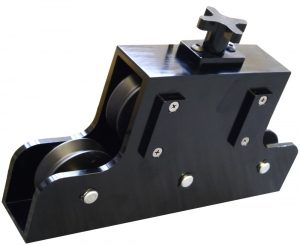
tube straightening toolThis is our high-quality Heavy Duty tool for straightening out coiled aluminium, mild steel, copper, and stainless steel tubing. The thick aluminium body is double anodised in Black, with adjustable rollers.

It is so easy to use. Just put the end of the pipe between the rollers and push it through. The straight pipe comes out the other side. Simple!

This tool is capable of straightening:
1/8″, 3/16″, 1/4″, 5/16″, 3/8″, 7/16″,1/2″, 5/8″ & 3/4″ outside diameter tube.

Click here to find out more.

A range of workshop, and car builder tools

workshop toolsWe may be best known for silicone hoses but our online shop is full of useful products to help you the car builder. We have a range of very handy tools to help you with making your intercooler pipes, coolant or intake systems such as Tube roll beading tools, or pipe flaring tools or tube straighteners for your aluminium hard lines. As with all our products these tools are very well made from quality materials and built to last.

Our range includes:

AN Wrenches
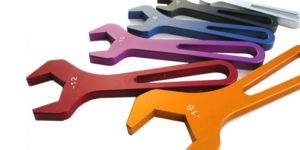
Anodised colour coded wrenches sized to fit the swivel nuts on hose ends. These wrenches have a fully rounded edge to fit your hand. Machined from heat treated 2024 aluminium.

Hose end fitting tool
This tool is a god send when it comes to assembling and crimping AN hose end fittings.  Does a great job with ease in minutes! Supplied with a number of dies / sockets to crimp and assemble braided fuel and oil lines. Ideal for the workshop or engine builder.

Tube Straightening tool
Vice mounted billet aluminium construction designed to heavy duty and years of service, our tube straightener will easily straighten all your fuel system hard lines and brake lines. Suitable for copper or aluminium tubing.

Tube Flaring Tool
We also do a heavy duty professional tube flare devise, designed to flare tubes to a 45° flare to apply suitable fuel hose fittings onto the tube / hard pipe.

Click here to check out the range online.

Are you a tyre kicker?

tyre treadA recent survey conducted by Halfords Autocentres of 20,000 motorists found that almost a third of motorists (32 per cent) believed that kicking tyres is an adequate test to see if they are properly inflated or not. What is more concerning is that almost two-in-five motorists (40%) have no idea what the minimum legal tyre tread depth is.

So the question is are you a tyre kicker? If so here’s a few reasons why you may want to check your tyres a little better in the future:

1. Low tread affects braking

Worn tyres and smaller tread depth can reduce braking and steering ability, especially in unpredictable weather and wet driving conditions. In fact an extra couple of millimetres’ tread depth can mean up to eight metres of stopping distance in wet weather.

2. Increased risk of aquaplaning

Tyres with a low tread depth also increase the risk of aquaplaning. If you don’t know what aquaplaning is, it occurs when a layer of water builds between the road surface and the wheels of a vehicle. This causes a loss of traction that prevents effective braking and limits handling. Not only is it a scary experience but it can lead to you having an accident.

3. It is a legal requirement

If you’re found to be driving with less than this legal minimum, you risk being fined up to £2,500 and getting three penalty points on your licence. This is per tyre too, meaning that if all four of your tyres fail this test, you could theoretically face a fine of £10,000 and 12 penalty points.

What should the tread on your tyres be?

The legal limit for minimum depth of the tread on your tyres is 1.6 millimetres, across the central ¾ of the tread around the complete circumference of the tyre. For safety reasons it is recommended that you replace your tyres before the legal limit is reached. Many vehicle manufacturers recommend replacing at 3 millimetres.

Did you know we ship worldwide

worldwide deliverySo what if you are not based in the UK but you’ve heard about our great quality hoses? Well, we offer worldwide delivery!

From our online shop, you can select from hundreds of delivery options. The system will then give you a delivery charge instantly on screen making pricing transparent. This means you can benefit from our fantastic products shipped from our UK warehouse.

All of our products are held in stock and our online system will let you know if the item you are ordering is in stock or a special order. The quick converter for currencies makes it easy to see the price in pounds, dollars and Euros.

So don’t be put off if you’re not local to us. We deal with international orders all the time here at Viper Performance. Take a look at our online shop today.

Will modifications affect my insurance?

car modifications affecting insuranceLast year we wrote a post about ‘8 ways to upgrade your car’, many car enthusiasts are keen to drive cars which are tailored to their particular set of preferences. This can include both visual and performance-related modifications. But every modification comes with a compromise, and sometimes that compromise can affect your insurance premium.

What is a car modification?

A car modification is a change made to a vehicle so that it differs from the manufacturer’s original factory specification. The changes can be made to improve performance, aesthetics, or be purely functional.

Why should you declare modifications?
It is quite simple, if your car has been modified, you must declare it. This applies even if you have not made the changes yourself. The result if you don’t declare could be  – an invalidated insurance policy.

Whos responsibility is it?

It is the responsibility of the policyholder to declare all modifications. If you’re buying a car second-hand and are in any doubt of work that may have been carried out, get the car checked by a mechanic. If you don’t declare the modifications, your claim may be refused, and your insurance will be void. It is also important to update your insurance company as and when you make additional modifications, so you remain covered.

Why do modifications affect the price I pay?

There are a few reasons why modifications will affect the price you pay on your car insurance premium. If the modifications increase the value of your car, then the insurance claims you make could be higher as it’s often more expensive to repair or replace parts. If you’ve made your car faster, it could increase the risk of you being involved in a speed-related accident.

Silicone hoses for large engines

large vehicle engine hosesThe basics of the combustion engine remain the same regardless of the size of vehicle the engine is powering. If you have an engine you will need a hose. The only difference is that it be scaled up to fulfil the needs of larger vehicles.

Here at Viper Performance we have specified silicone hoses for an array of large vehicles including trains, boats and tractors. Each industry requires different silicone specifications to meet the demands of the environment and machinery.

For example specialist silicone grades are available for the rail industry, which require a flame and fire retardant low toxicity silicone to be used. The marine industry will often require silicone which is resistant to oily and wet exhaust systems. We can even supply OAT resistant hoses for aggressive waterless coolant fluids often used for machinery.

If you need hoses for large engine’s then please contact us today on 01952 670 702, we would love to help.

You can read more about the industries we operate in below:

Automotive Application

Rail and Bus Hoses

Marine Silicone Hoses

Silicone Hoses for Wind Turbines

Silicone Hoses for Plant & Machinery

Silicone Hoses for power generators