Why Hump Hoses Are a Game-Changer in Vibration Reduction

In high-performance and industrial systems, vibration isn’t just a nuisance, it’s a silent killer. Left unchecked, it can lead to premature wear, system failure and costly downtime. That’s where hump hoses step in as a true game-changer.

Designed specifically to absorb and isolate vibration, hump hoses have become a must-have component in everything from turbocharger setups to heavy-duty machinery. But what makes them so effective? Let’s take a closer look.

What Exactly Is a Hump Hose?

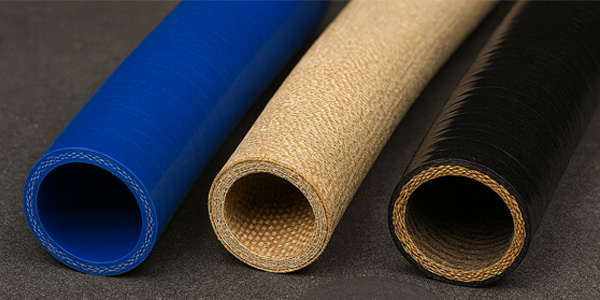
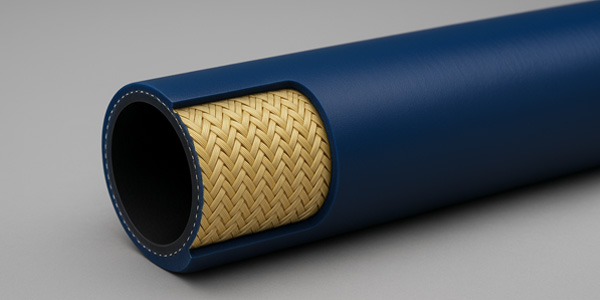
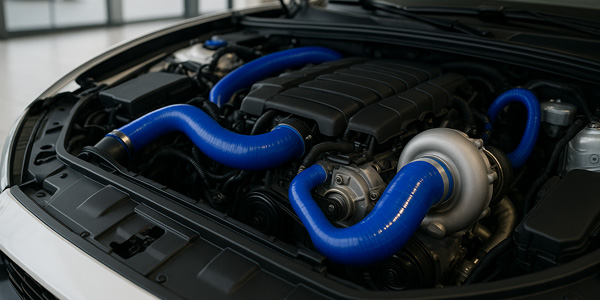
A hump hose is a flexible silicone hose featuring one or more raised “humps” in its structure. These humps act like mini shock absorbers, giving the hose the ability to flex and compress slightly when subjected to movement or vibration.

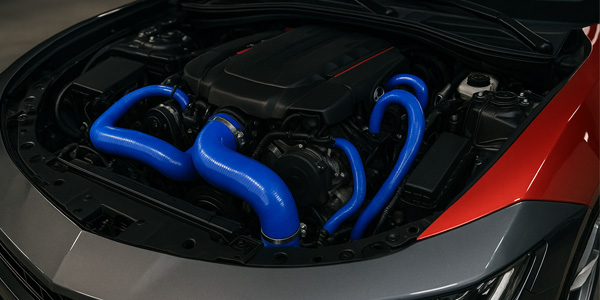
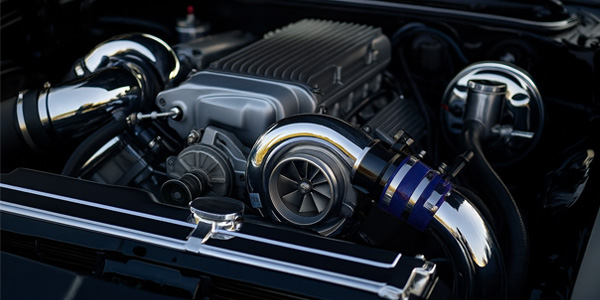
Typically used in turbo systems, intake systems, exhaust gas recirculation (EGR) and industrial piping, hump hoses connect components that may shift or vibrate under load, temperature changes, or mechanical motion.

How Hump Hoses Reduce Vibration

Here’s what sets hump hoses apart:
Flexibility: The hump section expands and contracts with ease, absorbing vibrations that would otherwise transfer directly to connected components.
Decoupling Effect: They break the direct path of vibration from one rigid part to another, protecting sensitive components like sensors, intercoolers, and turbochargers.
Multi-Directional Movement: Hump hoses can flex in multiple directions, handling axial movement (back and forth), lateral movement (side to side) and even slight torsion.

The Benefits: More Than Just Vibration Control

Hump hoses don’t just improve comfort—they enhance performance and longevity too. Here’s how:
1. Prolonged Component Life
By dampening vibration, hump hoses reduce stress on adjoining parts. That means fewer cracks, less fatigue and longer service intervals.
2. Improved System Stability
Hoses that absorb movement help maintain tight, leak-free seals. This is especially crucial in pressurised systems where stability is everything.
3. Quieter Operation
Vibrations often create unwanted noise. Hump hoses help silence rattles and harmonics, especially in performance vehicles and industrial setups.
4. Thermal Resilience
Made from high-grade silicone, most hump hoses are built to withstand high temperatures, perfect for engine bays and heated industrial environments.

Where Are Hump Hoses Used?

You’ll find hump hoses in a wide range of applications, including:
• Automotive turbo systems
• Diesel trucks and heavy-duty machinery
• Marine engines and generators
• Industrial HVAC systems
• Power plants and refineries
Wherever movement, pressure and heat combine, hump hoses help absorb the chaos.

Final Thoughts

Vibration might be inevitable, but damage doesn’t have to be. Hump hoses are a simple yet powerful solution that reduces wear, noise, and the risk of failure. Whether you’re fine-tuning a race car or maintaining a commercial engine, these flexible connectors provide the shock-absorbing protection your system needs.

Top 10 Marine Engineering Fails (and What They Taught Us)

Marine engineering is one of the most complex and demanding disciplines in the world. When it goes right, it keeps global trade moving, enables exploration, and delivers incredible feats of innovation. But when it goes wrong, the results can be catastrophic. The following ten examples highlight some of the most infamous marine failures in history, along with the crucial lessons each one taught the industry.

  1. The Vasa (1628) – Top-Heavy and Doomed to Sink

The Fail: Sweden’s pride, the Vasa warship, sank just 1,300 meters into its maiden voyage.

The Lesson: Overengineering without proper testing is a recipe for disaster. The Vasa was overloaded with cannons, making it too top-heavy to stay upright.

Modern Takeaway: Stability calculations are not optional—they’re critical. Design must be validated, not just impressive on paper.

  1. RMS Titanic (1912) – “Unsinkable” Meets Iceberg

The Fail: The Titanic’s overconfidence in design led to a catastrophic underestimation of nature’s force.

The Lesson: No matter how advanced your engineering, arrogance is dangerous. The lack of sufficient lifeboats and a brittle hull structure proved fatal.

Modern Takeaway: Risk management and redundancy are just as important as innovation.

  1. Exxon Valdez Oil Spill (1989) – Navigation Neglect

The Fail: A 10.8 million gallon crude oil spill devastated Alaska’s coastline.

The Lesson: Human error and lack of safety systems can undo even the most robust marine systems.

Modern Takeaway: Technology and human oversight must work hand in hand. Automation alone can’t prevent disaster.

  1. MV Sewol (2014) – Improper Cargo Loading

The Fail: The South Korean ferry capsized, killing over 300 people, many of them students.

The Lesson: The ship had been illegally modified, overloaded with cargo and operated by an inexperienced crew.

Modern Takeaway: Cutting corners for profit can be deadly. Compliance with weight distribution and structural limits is non-negotiable.

  1. Costa Concordia (2012) – A Captain’s Misjudgement

The Fail: A massive cruise liner ran aground due to a reckless manoeuvre, causing 32 deaths.

The Lesson: Advanced engineering can’t compensate for poor leadership and showboating.

Modern Takeaway: Technical systems must be supported by disciplined, trained professionals who respect the machine and the sea.

  1. Deepwater Horizon (2010) – Engineering vs. Corporate Pressure

The Fail: The explosion of this offshore drilling rig killed 11 workers and caused the largest marine oil spill in history.

The Lesson: Warning signs were ignored in favour of keeping operations on schedule.

Modern Takeaway: Safety culture isn’t just a slogan. It must be embedded into every level of decision-making.

  1. S.S. El Faro (2015) – Weather and Communication Failures

The Fail: A cargo ship sailed directly into a hurricane, resulting in 33 deaths.

The Lesson: Outdated weather tracking, poor communication and overconfidence doomed the vessel.

Modern Takeaway: Real-time data, reliable communication, and adaptive routing systems are essential in today’s maritime industry.

  1. Hovercraft SR.N4 Retirement – Speed vs. Practicality

The Fail: The massive passenger hovercrafts once crossing the English Channel were retired due to high costs and inefficiency.

The Lesson: Not every flashy solution scales well economically or environmentally.

Modern Takeaway: Engineering must balance innovation with sustainability and long-term feasibility.

  1. Rena Oil Spill (2011) – Misjudged Navigation

The Fail: A container ship ran aground on a reef in New Zealand, causing an oil spill and massive cargo loss.

The Lesson: Navigational errors remain one of the biggest risks in marine transport, even with GPS.

Modern Takeaway: Systems redundancy, real-time alerts, and crew training can prevent such costly blunders.

Industry First Aluminium Y Pieces – Only at Viper Performance!

Aluminium Y Pieces

At Viper Performance, we’re always pushing the boundaries of what’s available to help you build better, more reliable systems. That’s why we’re proud to introduce our brand-new Aluminium Y Piece Joiners – a product you won’t find anywhere else on the market.

Whether you’re creating a split intake system, twin-turbo setup, breather system or any kind of custom pipework, our precision-engineered aluminium Y-pieces give you a strong, lightweight and professional finish.

Tired of making do with awkward T-pieces or cobbled-together pipework? Upgrade to the Y.

✔️ Made from top-quality 6063 grade aluminium for excellent corrosion resistance and a smooth internal finish.
✔️ Bead rolled for secure hose connections.

Now available in a range of sizes to suit your build:
• 32mm x 32mm x 32mm
• 35mm x 35mm x 35mm
• 38mm x 38mm x 38mm
• 51mm x 51mm x 51mm

🔗 Explore the full Y-piece range here: Aluminium Y-Piece Joiners ➔ Click Here

More Aluminium Reducer Sizes – Perfect Fit, Every Time

As well as the exciting launch of the Y-pieces, we’re also expanding our range of aluminium reducer joiners. New sizes are being added to give you even more flexibility when stepping down pipe sizes in your system:
• HJSR38-32 – 38mm OD reducing to 32mm OD
• HJSR60-51 – 60mm OD reducing to 51mm OD
• HJSR76-51 – 76mm OD reducing to 51mm OD
• HJSR76-60 – 76mm OD reducing to 60mm OD
• HJSR102-89 – 102mm OD reducing to 89mm OD
• HJSR127-102 – 127mm OD reducing to 102mm OD

✔️ Manufactured from high-grade 6063 aluminium
✔️ Smooth, precision-machined ends for a clean fit
✔️ Precision welded for strength and durability

These new sizes will be available for pre-order soon, so don’t miss out.

Why Choose Viper Performance Aluminium Joiners?
✅ No compromise on quality
✅ Sizes and styles you won’t find anywhere else
✅ Engineered for performance builds, marine systems, and motorsport

Ready to upgrade your setup? Visit our website to explore the latest aluminium joiners and be the first to order our brand-new Y-pieces.

Making Waves at Seawork 2025 🌊

Marine Silicone Hoses

Viper Performance had a stellar presence at Seawork 2025, Europe’s premier commercial marine and workboat exhibition and conference. Held from 10–12 June at Mayflower Park, Southampton, this 26th edition brought together over 7,800 professionals and 450 exhibitors across a vibrant on-water and quayside showcase.

Viper Performance at the Heart of Marine Innovation

Our stand drew marine professionals who are pushing the boundaries in vessel performance and reliability. Here’s how we made waves:

  • High-performance silicone hoses: Perfect for marine applications. Resistant to heat, abrasion and corrosive saltwater.
  • Real-world durability: Visitors learned how Viper hoses deliver consistent performance even in harsh seafaring conditions.
  • Bespoke solutions: We showcased our strength in custom hoses, tailored for OEMs and marine engineering projects.

Building Bridges and Driving Projects

Seawork isn’t just about products – it’s about connections. Our team:

  • Engaged with industry leaders: Networking with peers in propulsion, engineering, and marine civils.
  • Shared technical expertise: Offering insights into the advantages of silicone hoses for marine systems, from cooling to exhaust.
  • Laid groundwork for future innovation: Conversations at Seawork have already sparked plans for new marine-grade hose solutions.

Final Thoughts

Seawork 2025 was more than an exhibition, it was a mixture of creativity, engineering excellence, and marine ambition. For Viper Performance, it proved once again that our silicone hose solutions aren’t just products, they’re enablers of durability, innovation and performance in the marine sector.

A huge thank you to everyone who visited us, we can’t wait to dive deeper into these conversations and fuel the next wave of marine innovation together.

The Role of Aluminium Joiners in High-Pressure Systems

Aluminium Joiners

When it comes to high-pressure systems, every component matters — and aluminium joiners are no exception. These lightweight yet incredibly strong connectors play a crucial role in maintaining system integrity, performance, and safety. Whether you’re building a custom turbo setup, enhancing a race car, or designing industrial piping, aluminium joiners provide the durability and precision needed for high-pressure environments.

Why Aluminium?

Aluminium is the material of choice for joiners in high-pressure systems for several key reasons:

  • Lightweight Strength: Aluminium offers a high strength-to-weight ratio, which is ideal for applications where reducing weight is critical, such as motorsports and aerospace.
  • Corrosion Resistance: Especially when anodised, aluminium resists corrosion even when exposed to moisture, oil, and extreme temperatures.
  • Thermal Conductivity: It helps dissipate heat efficiently, which is essential in systems involving compressed air or fluids.
  • Ease of Fabrication: Aluminium can be machined, welded, or shaped with relative ease, allowing for custom setups and seamless installation.

Key Applications in High-Pressure Systems

Aluminium joiners are used in a wide range of systems, including:

  • Turbo and Intercooler Piping: Connecting components in high-boost environments where pressure can exceed 30 PSI.
  • Radiator and Coolant Systems: Withstanding pressure and temperature fluctuations without deforming.
  • Oil and Fuel Systems: Providing a secure seal that prevents leaks under pressure.
  • Industrial Pneumatics: Handling compressed air lines in automation and manufacturing equipment.

Choosing the Right Aluminium Joiner

Not all aluminium joiners are created equal. Here’s what to look for when selecting the right one:

  • Wall Thickness: Thicker walls offer more strength but add weight; the ideal thickness balances both.
  • Diameter Compatibility: Ensure a snug fit with silicone hoses, clamps or adjoining pipes.
  • Finish: A smooth or anodised finish not only looks professional but also adds extra resistance to corrosion.
  • Manufacturing Quality: Look for precision welds, clean edges and consistent measurements to ensure long-term reliability.

Benefits of Using Aluminium Joiners

  • Enhanced Pressure Tolerance: Aluminium’s rigidity prevents flex and collapse under high pressure.
  • Improved Longevity: Less wear and tear compared to plastic or rubber alternatives.
  • Customisation Options: Easily cut, bent or welded to suit unique system layouts.

Conclusion

In high-pressure systems, reliability is non-negotiable and aluminium joiners deliver just that. Their strength, resistance and lightweight design make them a preferred choice for engineers, mechanics and performance enthusiasts alike. Whether you’re upgrading a vehicle’s forced induction setup or managing industrial fluid flow, investing in quality aluminium joiners ensures your system runs safely and efficiently under pressure.

Saltwater and Silicone: Why Marine Applications Demand Quality Materials

Silicone Hoses For Marine Applications

When you’re dealing with the challenges of the open sea, there’s one rule that always applies: use the best materials, or pay the price later. Saltwater is relentless, it corrodes, degrades and destroys anything that’s not built to withstand its wrath. For marine professionals and boating enthusiasts alike, choosing the right components isn’t just about performance—it’s about survival, reliability, and peace of mind.

That’s why silicone hoses and seals are fast becoming essential across the marine industry. Durable, weather-resistant, and virtually unaffected by salt, heat, and UV rays, silicone offers unmatched performance in even the harshest maritime conditions.

Saltwater Doesn’t Forgive – But Silicone Can Handle It

From engine compartments to bilge systems, marine applications face one of the most unforgiving environments on Earth. Traditional rubber hoses often degrade rapidly when exposed to salt, moisture, and sunlight. Silicone hoses, on the other hand, offer superior saltwater resistance and won’t crack, swell, or corrode over time.

Perfect for:
• Engine coolant systems
• Seawater intake and discharge
• Pump and filtration lines

With their inert nature and resistance to electrochemical degradation, silicone hoses are ideal for long-term use on boats and marine vessels.

Built for the Heat (and the Cold)

Marine engines generate extreme heat—especially in enclosed spaces. At the same time, marine systems may face near-freezing temperatures when docked or stored in colder climates.
Silicone hoses maintain flexibility and strength in a temperature range from -60°C to +230°C, making them far more resilient than rubber or PVC alternatives. Whether you’re battling tropical sun or arctic chill, your silicone hose system will keep flowing without fail.

UV and Ozone? No Problem

Sunlight and ozone are natural enemies of many synthetic materials, breaking them down over time and leading to cracks, leaks and system failure. But not silicone.
Silicone hoses resist UV and ozone damage, making them perfect for deck-level or exposed applications. You’ll often find them used in:
• Above-deck water systems
• Exhaust ventilation and cooling lines
• Fuel vent lines and overflow systems

They retain flexibility and integrity even after years of exposure—no more surprise failures halfway through your trip.

Safety and Sealing in Critical Areas

Silicone doesn’t just survive—it seals. In marine settings where leaks can be catastrophic, silicone hoses provide an airtight and watertight connection, reducing the risk of contamination, system pressure loss, or saltwater intrusion.

High-quality marine silicone hoses are:
• Non-toxic and safe for potable water
• Resistant to mold, algae, and bacterial growth
• Excellent for tight bends and confined areas due to their pliability

This makes them a popular choice for both fresh and saltwater plumbing on yachts, commercial boats, and leisure craft.

Low Maintenance, High Performance

No one wants to waste precious boating time with constant repairs and replacements. Silicone hoses dramatically reduce maintenance needs, thanks to their long service life and resistance to hardening, cracking, or wear.

Investing in marine-grade silicone hoses means:
• Fewer breakdowns
• Fewer dockside delays
• Better performance across the board

They’re an ideal solution for anyone serious about performance and reliability at sea.

Conclusion: Go Further with Silicone

Whether you’re outfitting a weekend cruiser or a high-performance offshore vessel, silicone hoses and components are built to handle the marine environment like nothing else. They offer the durability, flexibility and resistance that saltwater demands, doing it all while reducing maintenance as well as improving system performance.
So next time you’re upgrading your boat’s systems, don’t settle for second-best.

Built to Roam: The Best Off-Road 4×4 Adventure Vehicles

Mercedes G Wagon

Please note this image was licenced under Adobe stock and any re-use is prohibited.

When the paved roads end, that’s when the real adventure begins. Whether you’re tackling rocky mountain trails, cruising through muddy backwoods, or navigating desert dunes, a true off-road 4×4 is more than just a vehicle—it’s your passport to the wild. Built to roam and engineered to conquer, these machines turn every journey into an unforgettable expedition.

Here’s a closer look at some of the best off-road 4×4 adventure vehicles on the market.

Jeep Wrangler Rubicon – A Timeless Trailblazer

No list of off-road legends would be complete without the Jeep Wrangler Rubicon. Designed with serious adventurers in mind, the Rubicon comes equipped with locking differentials, rock-trac 4×4 system, disconnecting sway bars and beefy off-road tires that chew through terrain like it’s nothing.

Why adventurers love it:
• Iconic design and extreme durability
• Trail Rated® badge means it’s tested on the toughest terrains
• Huge aftermarket customisation options

Mercedes-Benz G-Class (G-Wagen) – Luxury That Climbs Mountains

The G-Wagen may scream sophistication on the outside, but it’s a hardcore off-roader underneath. With three locking differentials, a low-range gearbox, and hand-built craftsmanship, this luxury SUV is as capable as it is eye-catching.

Why adventurers love it:
• A status symbol that’s also trail-capable
• Unrivalled build quality
• Surprisingly agile in extreme conditions

Land Rover Defender – Rugged Luxury Reimagined

The Land Rover Defender blends British refinement with brutal off-road power. Modern tech meets old-school grit, with features like Terrain Response® systems, wade-sensing, and an ultra-stiff body structure that handles harsh environments without breaking a sweat.

Why adventurers love it:
• Premium interior meets utilitarian function
• Adjustable air suspension for changing terrain
• Strong towing capacity and off-road finesse

Toyota Land Cruiser 300 – Built for the Long Haul

The Land Cruiser name is synonymous with dependability and toughness. The new 300 Series brings modern comforts and updated engineering while still boasting the bulletproof reliability that made it a global expedition icon.

Why adventurers love it:
• Proven V6 twin-turbo power
• Excellent ground clearance and crawl control
• Designed for remote travel and overlanding

Ford Bronco – The Comeback King

The Ford Bronco is back—and it’s bolder than ever. With heritage styling and cutting-edge off-road tech, this beast is built for thrill-seekers. It features G.O.A.T. (Goes Over Any Terrain) Modes, front and rear lockers, and optional Sasquatch packages that transform it into a trail-munching monster.

Why adventurers love it:
• Classic-meets-modern aesthetics
• Easy-to-remove doors and roof
• Tailored for both daily driving and extreme trail use

Toyota 4Runner TRD Pro – Dependable and Dirt-Ready

A staple in the off-roading world, the Toyota 4Runner TRD Pro packs serious adventure credibility. With a high ground clearance, TRD-tuned suspension and a bulletproof V6 engine, it’s a go-anywhere vehicle that’s perfect for weekend warriors and backcountry explorers alike.

Why adventurers love it:
• Rugged, time-tested reliability
• Simple mechanics make it easy to fix on the go
• Excellent resale value and community support

Choosing Your Off-Road Companion

When selecting the perfect off-road 4×4, consider what kind of adventure you’re after. Are you looking to overland across continents, or conquer your local off-grid trails on the weekends? Do you need comfort for long road trips, or maximum trail performance?
Whatever your style, the vehicles listed above are built to roam—and ready to turn the road less travelled into the ride of your life.

Why Aviation Engineers Trust High-Grade Silicone Connections

Silicone Hoses For Aviation

In the high-stakes world of aviation, every component matters. Whether it’s cruising at 35,000 feet or enduring extreme ground conditions, aircraft systems demand uncompromising performance, reliability and safety. Among the many unsung heroes of this industry, high-grade silicone hose connections stand out as a vital part of modern aerospace engineering.

Built for Extreme Conditions

Aircraft operate in some of the harshest environments imaginable — from freezing stratospheric altitudes to blistering hot engine bays. Silicone hoses excel here, offering superior temperature resistance. This thermal stability ensures that connections remain intact and functional, no matter what altitude or climate the aircraft encounters.

Reliability Where It Counts

Aviation engineers are under constant pressure to eliminate failure points. Silicone hoses are prized for their flexibility, durability and resistance to cracking, even after prolonged use. They outperform traditional rubber hoses, especially in applications where vibration, pressure changes, and thermal cycling are common — such as in fuel, coolant and air handling systems.

Lightweight for Efficiency

Every kilogram counts in aviation. Silicone hose systems offer the strength of traditional materials at a lighter weight, making them ideal for aircraft looking to optimise fuel efficiency and reduce overall load. The material’s flexibility also allows for simpler routing and fewer connectors, which further reduces complexity and potential failure points.

Engineered for Customisation

From commercial airliners to military jets and unmanned aerial vehicles (UAVs), no two aviation projects are the same. High-grade silicone hoses can be custom-moulded and reinforced to meet highly specific pressure, bend radius and environmental requirements. Aviation engineers appreciate the adaptability that silicone allows — enabling safer and more efficient system design.

Resistance to Fuel and Fluids

In aircraft maintenance, exposure to oils, coolants, and other harsh fluids is a given. Silicone hoses, especially those with fluorosilicone liners, offer enhanced chemical resistance that prevents degradation over time. This longevity reduces maintenance intervals, improves safety and supports long-term operational

Trusted in Testing and Beyond

Before a silicone hose is installed on an aircraft, it undergoes rigorous aerospace-grade testing and certification to meet international standards. Engineers rely on this assurance when selecting components that need to perform flawlessly from take-off to landing, every single time.

Final Thoughts

When it comes to aerospace engineering, there’s no room for second best. That’s why more and more aviation professionals are turning to high-grade silicone hose connections — for their unmatched performance, adaptability and dependability.

Fictional Rides That Deserve a Real-World Build

Every now and then, a vehicle comes along in a movie, TV show, or comic that captures more than just our eyes—it grabs hold of our imagination. Sleek, outrageous, mysterious or downright bizarre, these iconic rides transcend fiction. And let’s face it—if money, physics and practicality weren’t an issue, we’d all want to see them roaring down the highway.

The Batmobile (Dark Knight Tumbler Version)
Seen In: The Dark Knight Trilogy

This isn’t just a car. It’s a fully armoured, tactical beast designed for high-speed pursuits, rooftop jumps and urban combat. The Tumbler is part stealth bomber, part tank and completely intimidating. It features massive rear tires, a wide and aggressive stance and angular, matte-black armour panels that look like they could shrug off a rocket launcher.

The real marvel is in the details. Dual front wheels on each side provide increased manoeuvrability and a central cockpit gives it a military-grade aesthetic. The jet engine mounted on the rear allows for rapid acceleration, while the onboard computer system manages everything from tire pressure to weapons targeting.

Real-World Build?

Absolutely feasible—if you have the budget of a small nation. In fact, some custom builders have created road-legal replicas. For a real-world equivalent, imagine it powered by an electric drivetrain with torque vectoring for perfect cornering, AI-assisted driving modes and carbon fibre construction to reduce the weight of all that armour.

Joker’s Car (Suicide Squad)
Seen In: Suicide Squad

Loud, flashy, and unpredictable—just like the Joker himself. The car seen in Suicide Squad is based on a Vaydor G35 kit car built on an Infiniti G35 chassis, but with a twist: it’s decked out in chrome, dipped in purple LED under glow, and wrapped in madness. This car isn’t just transportation—it’s performance art on wheels.

The body is low and sharp, almost knife-like in its design. Suicide doors, aggressive body lines, and a villainous grin of a grille make it look like it’s ready to tear through Gotham in a neon-fuelled rampage. The cabin? Think crushed velvet, gold accents, and speakers that go all the way up to 11.

Real-World Build?

Believe it or not, people have already built Vaydors. But to match Joker’s twisted aesthetic, you’d need custom hydraulics for wild bounces, colour-shifting paint and an interior that looks like a luxury nightclub. Bonus points if you program it to laugh maniacally when the doors open.

The Mystery Machine
Seen In: Scooby-Doo (TV and Film)

There’s something charming about the Mystery Machine. It’s more than just a van—it’s a rolling clubhouse, a mobile HQ and a piece of groovy history. With its flower-power paint job, shag carpeting, and unmistakable teal-and-orange colour scheme, it practically invites adventure.

The inside is usually kitted out with radar monitors, filing cabinets full of monster clues, and of course, Scooby Snacks. A real-world version could be a retro VW van refitted with the latest camper tech, solar panels, GPS tracking and fold-out furniture.

Real-World Build?

Absolutely doable. Many fans have already transformed vintage vans into Mystery Machines, but there’s still room to modernize it. Imagine self-driving capabilities, pop-out camping pods, and built-in ghost-hunting tools like EMF sensors and thermal cams. It’d be the ultimate van for road trips and retro events.

James Bond’s Aston Martin DB5
Seen In: Goldfinger, Skyfall and multiple Bond films

Sleek, stylish, and devastatingly sophisticated, the Aston Martin DB5 is the perfect car for a gentleman spy. With its iconic silver finish, wire-spoke wheels, and leather interior, it looks like it belongs on a Monaco boulevard—until it drops an oil slick, deploys bulletproof shields, or launches missiles from the headlights.
Bond’s DB5 is arguably the most famous spy car in history. It’s outfitted with front-mounted machine guns, a revolving license plate, and an ejector seat that’s saved 007 more than once. But beneath the gadgets, it’s still a beautifully designed performance car.

Real-World Build?

Yes, and it’s already happened. Aston Martin has produced limited-edition DB5 “Goldfinger Continuation” cars complete with working gadgets—minus the actual weaponry. A modern interpretation could use hybrid power, advanced tracking tech, and digital interfaces subtly built into a retro dash.

Final Thoughts

Whether your team Batman or team Mystery Inc., these legendary fictional vehicles all bring something unique to the table—style, innovation, or just pure nostalgia. Building them in real life would be the ultimate tribute to our favourite characters and the wild rides they cruise in.

Custom Silicone Hoses: When and Why You Might Need a Bespoke Solution

Custom Silicone Hoses

In the world of automotive, industrial and performance engineering, not everything fits straight out of the box. Sometimes, an off-the-shelf component just doesn’t cut it. That’s where custom silicone hoses come into play—offering tailored solutions that ensure precision, performance and long-term reliability.

Why Go Custom?

Silicone hoses are renowned for their flexibility, durability and resistance to extreme temperatures and chemicals. But while standard hoses work for many applications, there are key situations where a custom-designed hose becomes essential:

1. Unique Engine Layouts and Conversions

Engine swaps, performance upgrades, or custom builds often mean new layouts, unusual angles, or tight clearances. A bespoke silicone hose can be shaped to route around obstacles, avoid heat sources, or fit precisely within a redesigned bay—something standard hoses can’t always accommodate.

2. High-Performance Demands

Racing engines, turbocharged systems and high-pressure coolant setups often exceed the specifications of generic hoses. Custom hoses allow for reinforced layers, thicker walls or specific bore sizes tailored to handle the extra strain without compromise.

3. Industrial or Specialist Machinery

In sectors like marine, aerospace, food production and medical technology, there’s rarely a one-size-fits-all. Custom silicone hoses can be manufactured to meet strict regulations, resist unusual chemicals or work within complex machinery designs.

4. Aesthetic and Branding Requirements

Let’s face it, looks matter too. Whether you’re building a show car or promoting a brand, custom hoses can be manufactured in specific colours, with logos or in unique finishes to match your visual identity.

What Does a Custom Hose Involve?

Creating a bespoke silicone hose is a collaborative process. It typically starts with measurements, sketches or CAD drawings. From there, the hose is designed using moulds or 3D-formed tools, manufactured using high-grade silicone and optional reinforcements like polyester or Nomex®, then tested to meet your exact requirements.

At Viper Performance, we specialise in delivering precision-made silicone hoses for projects that demand more than ordinary. custom hose solutions are built to fit, last and perform.