
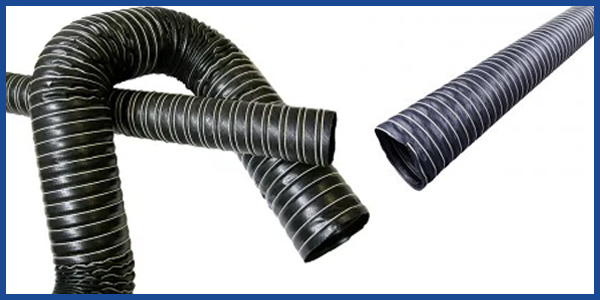
Neoprene ducting is a versatile and durable solution used in various industries for air, dust and fume management. Known for its flexibility and resilience, neoprene ducting can handle a wide range of temperatures and is resistant to many chemicals, making it an excellent choice for numerous applications.
What is Neoprene Ducting?
Neoprene ducting is made from a synthetic rubber known as neoprene or polychloroprene, which was developed as an oil-resistant substitute for natural rubber. Neoprene ducts are prized for their durability, flexibility, and broad temperature tolerance. The material’s ability to withstand various environmental and chemical stresses makes it ideal for demanding industrial applications.
Applications of Neoprene Ducting
Here at Viper Performance, we have stock ducting mainly for air intake. We can create bespoke ducting to cater to your needs, all you need to do is contact us. Neoprene ducting finds its uses in a variety of sectors:
Automotive: Efficiently directs cool air within engine bays, handles high temperatures in turbocharger systems, and manages airflow in vehicle HVAC systems.
Industrial: In manufacturing plants for dust and fume extraction systems, where chemical resistance and durability are crucial.
Defence: Neoprene ducting is extensively used in naval ships for various systems, including ventilation, heating, and cooling systems.
Marine: Engine room ventilation to remove heat and fumes, air conditioning and heating to maintain comfortable onboard environments. Bilge ventilation to prevent moisture accumulation and potential hazards.
Renewable energy: Flexible neoprene ducting is crucial in renewable energy applications, particularly in wind turbines and biomass energy systems. In wind turbines, it’s used to manage air flow and cooling within the nacelle, protecting sensitive electronic components from overheating.
Maintenance tips
Installing and maintaining neoprene ducting properly can significantly extend its lifespan:
Proper Installation: Ensure that neoprene ducting is correctly fitted and securely fastened. Avoid sharp bends that could restrict airflow as well as lead to wear and tear.
Regular Inspections: Periodically inspect the ducting for signs of wear, such as cracks or loosening fittings and address these issues promptly.
Cleaning: Keeping the ducting clean from dust and debris can prevent blockages and maintain air quality and efficiency.
Conclusion
Neoprene ducting is a highly effective solution for a variety of air transfer applications across numerous industries. Its combination of durability, flexibility, and resistance properties makes it an invaluable component in systems requiring reliable material performance under challenging conditions.