Evolution of Electric Cars

evolution of electric carsFrom modern-day Tesla to the 19th century, EVs are far from a modern concept. We explore their turbulent and exciting history, the decline and where we go from here!

The story of electric cars begins in the 1830s when Scottish inventor Robert Anderson created the first crude electric carriage. However, it wasn’t until the late 19th and early 20th centuries that electric cars gained popularity, with New York City owning a fleet of more than 60 electric taxis in 1897!


By the early 1900s, electric cars were considered more luxurious, boasting a smoother ride without the vibrations, smell, and noise associated with gas vehicles (not sure what they were complaining about, I can’t be the only person who loves the smell of petrol). They were particularly popular with urbanites and women, as they didn’t require the manual effort to start like the gasoline cars of that era.


The decline

The reign of electric cars didn’t last long. With the discovery of Texas crude oil making fuel cheap and readily available. Further taking the lead when Henry Ford introduced the Model T in 1908, which was affordable and mass-produced, especially given their affordability. By the 1930s, electric vehicles had all but disappeared from the market.


Environmental Concerns

It wasn’t until the 1970s that interest in electric vehicles was rekindled, thanks to the oil crisis and growing environmental concerns. In response, automakers began experimenting with electric car designs. However, these early models were plagued with problems such as limited range and lack of power, putting of a large majority of customers, especially given the almost non-existent electrical charging grid.


Modern Era

The true renaissance of electric cars began in the 21st century, with significant technological advancements in battery storage, energy efficiency, and power. In 2006, a small startup named Tesla Motors announced the production of the Tesla Roadster (never heard of them), the first highway-legal serial production all-electric car to use lithium-ion battery cells. Which in turn ignited the modern electric car movement.

Tesla’s success proved there was a market for electric cars, and soon other automakers followed suit. Nissan introduced the affordable Leaf in 2010, and Chevrolet brought out the Volt. These vehicles offered increased range and affordability, making them accessible to a broader audience and eliminating the previous concerns of potential customers.


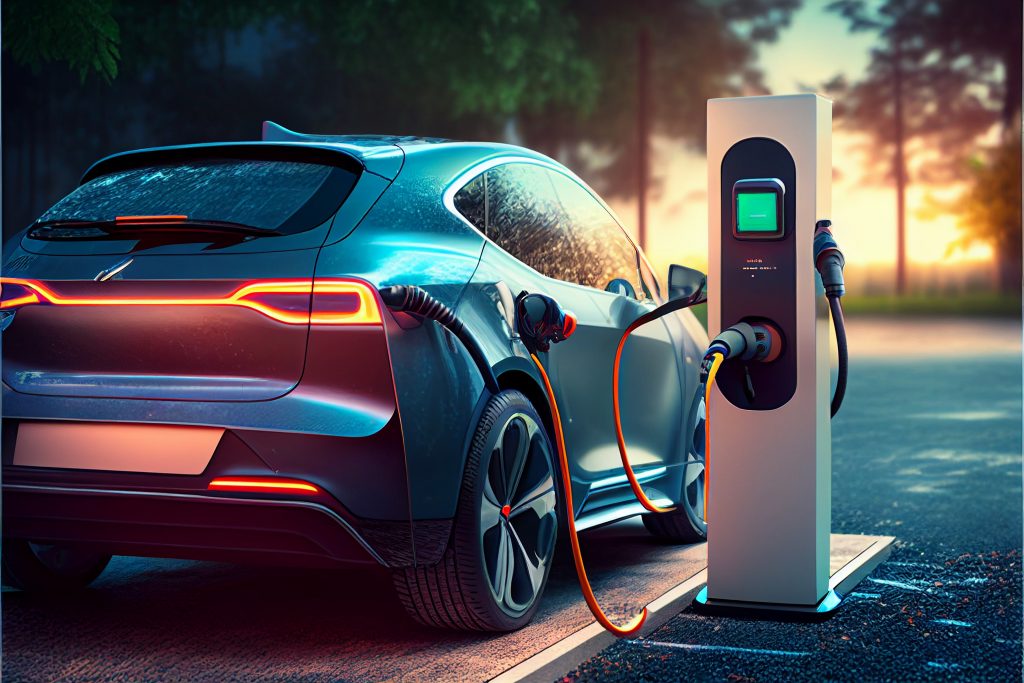
One of the most significant developments in the EV market is the improvement in infrastructure. Charging stations are becoming more widespread, and ultra-fast charging technology now allows drivers to recharge their batteries in the time it takes to have a coffee.

Which countries are leading the ev charge?

which countries are leading the EV charge

This image is licenced under Adobe Stock. Please refrain from using it without proper permission.

As concerns about climate change and environmental damage mount, the transition towards electric vehicles is becoming more urgent. Fortunately, several nations are recognizing the imperative to shift towards more sustainable transportation.


Norway

Norway is often hailed as the poster child for EV adoption. The Norwegian government has provided generous incentives for EV buyers, such as exemptions from import taxes, road tolls, and even tunnel fees. As a result, EVs in Norway have grown exponentially, with more than half of all new cars sold being electric. The country aims to ensure that all new cars by 2025 are zero-emission vehicles.


China

China is not only the world’s largest automotive market but also the biggest market for electric cars. To tackle their severe air pollution problems and reduce dependence on imported oil, the Chinese government has rolled out substantial incentives for EV buyers and manufacturers. Additionally, China hosts some of the largest EV manufacturers globally, like BYD and NIO, underscoring its dominant position in the industry.


The Netherlands

The Netherlands has consistently promoted green initiatives, and the EV sector is no exception. Dutch cities suffer from high levels of air pollution due to their dense populations and heavy traffic, leading to a push towards electric vehicles. The government has proposed bans on new petrol and diesel cars by 2030. While large cities like Amsterdam also offer extra incentives like free charging and parking for EV owners.


United Kingdom

The UK government has been proactive in pushing for electric vehicle adoption. They have proposed bringing forward the ban on new petrol, diesel, and hybrid cars from 2040 to 2035 or even earlier. The UK has also seen a consistent rise in the infrastructure supporting EVs, with a growing network of charging stations across the country. However, uncertainty with the current government consistently delaying their targets is making it difficult for infrastructure to be built with no target to reach.


While these countries are driving the electric vehicle movement, global EV adoption is a collective endeavour. The move to EVs isn’t just about reducing greenhouse gas emissions; it’s also about decreasing air pollution, promoting technological innovation, and moving towards energy independence. Something that is difficult to achieve when many countries refuse to strive towards EV dependence, with a lack of investment in infrastructure and government initiatives.

ecotourism, and the future of sustainable travel

The future of ecotourism

This image is licenced under Adobe Stock. Please refrain from using it without proper permission.

Ecotourism, or responsible travel to areas that conserve the environment, while sustaining the well-being of the local people and has rapidly grown over the past decades. As this form of travel gains momentum, the transportation sector, which plays a crucial role in tourism, is also on the brink of an evolution. This shift is essential, given the environmental impact of traditional transportation modes.

The Ecotourism Impact

  1. Reduced Carbon Footprints: Ecotourism inherently promotes travelling in ways that have minimal environmental footprints. For example staying at carbon-neutral hotels, using environmentally friendly transport methods and staying at areas that work with the local communities. This has encouraged a move away from carbon-intensive travel modes like planes and cars toward more sustainable options like trains, electric buses, or even bicycles.


  1. Localized Travel: Unlike mass tourism, which often involves international travel, ecotourism leans towards exploring local natural beauties. This reduces long-haul flights and instead promotes short-distance travel, which can often be undertaken using eco-friendly transport such as electric cars.


  1. Economic Shifts: As more tourists opt for sustainable travel, there’s economic motivation for industries to adapt. For instance, car rental services might start investing more in electric or hybrid vehicles. In the past, the desire to invest in ecotourism has been selected mainly too small independents who specialise exclusively in this practice.

Now that the industry is becoming more popular, more industries are adapting to this, which is increasing investment in those industries and also the people and communities that work around it.


Challenges facing Ecotourism and Transport


Infrastructure & Financial Challenges

Transitioning to electric or other sustainable transport options requires significant infrastructure changes, such as charging stations, which can be costly and time-consuming. Most tourism-friendly countries are already geared up towards a non-sustainable future, and converting existing assets can be incredibly costly and timely for those countries. It may even mean temporarily closing existing tourist sites as they transition, which can in turn limit the income to the locals who rely solely on such sites.

Such issues are further agitated by economic issues in the countries most likely to promote sustainable tourism. Not all regions popular for ecotourism, especially in developing countries, have the financial resources to invest in advanced transport technologies.

Existing Attitudes

While there’s a growing interest in sustainable travel, old habits die hard. Many still opt for convenience over sustainability, choosing the quickest or most luxurious transport mode over the greenest. Sustainable tourism can be difficult to find, with only a handful of dedicated agencies offering packages. When compared to traditional tourism that can be found and booked in a matter of minutes, the increased work to find the right package can put people off, and encourage old habits.

Furthermore, sustainability comes at an extra cost, something that some customers may find difficult to accept. Especially those used to cheaper holidays. Sustainable holidays can cost upwards of £2,000 for weekly excursions, something that can be difficult to stomach for those used to cheaper trips away.


So what’ll help?

Local Community Involvement and Empowerment:

One of the cornerstones of ecotourism is the active participation of local communities. By providing them with a stake in the tourism operations, not only does it guarantee an authentic experience for tourists, but it also ensures that the revenue generated aids in local development.

Additionally, when local communities are involved, there is a higher likelihood of sustainable practices, as they have the most at stake regarding preserving their natural and cultural heritage.

Education:

Visitors should leave an ecotourism destination more informed than when they arrived. Incorporating educational aspects into tours, such as explaining local flora and fauna, historical insights, and the significance of conservation efforts, can deepen the tourist’s appreciation and understanding of the environment.

Furthermore marketers have an opportunity to build up awareness about ecotourism and its benefits, that can drive demand. As more tourists seek sustainable travel options, destinations and operators that market their eco-credentials effectively can attract a dedicated clientele.

Decoding the sport: how f1 cars evolve every season

future of formula E

This image is licenced under Adobe Stock. Please refrain from using it without proper permission.

Formula 1, the pinnacle of motorsport, is renowned not just for its adrenaline-pumping speed and skill on the field, but also for its continuous stride towards technological innovation from a technical perspective. With each passing season, F1 teams seek out ways to further refine their machines, making them faster, safer, and more efficient. This relentless pursuit of advancement is what keeps F1 at the cutting edge, a spectacle for fans and a marvel for engineers.

Aerodynamics: Crafting the Perfect Airflow

Aerodynamics play a monumental role in the performance of an F1 car. With each season, teams refine their car’s shape to minimize air resistance and maximize downforce, which helps the car grip the track.

Over the years, we’ve seen the evolution of front and rear wings, diffusers, and even the addition of components like bargeboards to better manage airflow. Recently, the sport also introduced simplified front wings and banned complex winglets, aiming to reduce turbulent air and promote closer racing. These changes underline how aerodynamics isn’t just about pure speed but also about the overall racing spectacle.


Power Units: More than Just Engines

Gone are the days when F1 cars were powered solely roaring V12s or V10s. Today’s F1 cars use hybrid power units, which combine traditional internal combustion engines with energy recovery systems giving drivers more speed than ever before!

The ERS captures waste energy, usually lost during braking or the heat from the engine, and converts it into electrical energy (effectively, heaps of speed). This energy can be stored and then used to boost power, making the cars not only faster but also more energy-efficient. Each season sees refinements in these systems, squeezing out more power and efficiency, often in response to ever-tightening regulations.


Tyre Technology: The Rubber Meets the Road

Tyres are an essential part of F1, either rocking the wets at Silverstone, or the super-softs in the heat of Bahrain. In recent years, Pirelli, F1’s tyre supplier, has provided teams with a range of compounds, each with its unique performance and longevity characteristics.

Teams and drivers must make strategic choices about which compounds to use in a race. The constant evolution of tyre technology, combined with feedback from teams, ensures that each season offers fresh challenges and strategic depth, influencing pit stop strategies and on-track battles.

Over the years we are finding teams are becoming more clued as to which tires work best, that combined with revolutions in tire technology  from the suppliers, is creating constant advancement.


Digital Advancements: Simulations and Sensors

Behind the scenes, F1 cars are brimming with sensors and onboard computers. These devices capture a plethora of data, from tyre temperatures to engine performance metrics. Teams analyse this data in real-time, making split-second decisions that can determine race outcomes.

Just as the team will analyse performance from the tires, advancements in technology over the years, are giving teams more data to work with, allowing them to make more informed decisions which increase speed in turn.

Moreover, advancements in simulation technology mean that before a car even hits the track, its design has undergone extensive testing in virtual environments. This helps teams predict performance, refine aerodynamic features, and even practice pit stops, ensuring that when race day comes, every possible variable has been accounted for.


The world of Formula 1 is a fascinating blend of sport and science, passion and precision. The cars that grace the tracks today are the culmination of decades of technological evolution, with each season bringing with it fresh challenges and innovations. Whether you’re a die-hard fan or a casual observer, the relentless drive of F1 teams to push the boundaries of what’s possible is nothing short of awe-inspiring.

Electric Vehicles: Is Range Anxiety finally a thing of the past?

electric cars is range anxiety a thing of the past

This image is licenced under Adobe Stock. Please refrain from using it without proper permission.

Range anxiety, or the fear that an electric vehicle won’t reach it’s destination has long been a significant roadblock for potential EV buyers. But thanks to rapid advancements in technology, infrastructure, and public perception, range anxiety is rapidly becoming obsolete.


The cornerstone of any electric vehicle is its battery, and this is where we’ve seen the most staggering improvements. A decade ago, a full charge would get you a meagre 100 miles. Today, leading models boast ranges upwards of 300 miles on a single charge, while Mercedes EQS has a ridiculous range of 452 miles on a single charge, followed closely by the Fisker Ocean and Polestar 2 at 440 and 406 miles respectively. Sorry Tesla, looks like you are slipping behind!

Muchhhh less queueing (about time)

Another benefit afforded to the EV community is the increasing availability and accessibility of charging stations which have grown exponentially in recent years. A decade ago, EV drivers had to meticulously plan their trips around scarce charging points. Today, comprehensive charging networks have made such detailed planning unnecessary, with apps and in-car navigation systems providing real-time information on the nearest charging stations.

Speedy charging ⚡

If the early EVs took several hours for a full charge, today’s fast-charging technology can provide an 80% charge in as little as 20 minutes. Tesla’s Superchargers and Electrify America’s DC fast chargers are prime examples. These leaps in charging speed mean you can cover long distances with short breaks for fast-charging.

Improved Energy Density and Efficiency

The energy density of batteries is another area where advancements are making a tangible impact. Newer batteries can store more energy without significantly increasing in size or weight, thus enhancing vehicle efficiency. On top of that, regenerative braking systems convert the car’s kinetic energy back into stored energy in the battery, extending the driving range.


In summary, while range anxiety was a legitimate concern in the infancy of electric vehicles, it could be considered a concern of the past. Thanks to efforts from manufacturers to make cars lighter, and engines stronger. Government’s have also recognised previous fears, investing heavily into chargers and education into vehicle charging.

Despite these advances, there are fears that not enough is being done. As more and more EV’s are purchased, the strain on charging stations becomes even greater. Less available chargers, more queues, less trust in EV’s, and just like that, we are back to the start.

Speed vs sustainability. Can Formula E have both?

future of formula E

This image is licenced under Adobe Stock. Please refrain from using it without proper permission.

The future of Formula E. Not as clear as it looks?

Launched in 2014, Formula E rapidly become a key player in the motorsports arena. Conceived as an eco-friendly alternative to traditional racing circuits, Formula E has succeeded in matching the thrill of speed with a commitment to sustainability. Especially with the die-hard F1 fans who can’t get enough of 1 weekends worth of action.

While it’s true that Formula E cars can’t yet match the top speeds of their Formula 1 counterparts, they’re far from slow. Current Formula E vehicles can reach speeds of up to 174 mph, offering plenty of excitement for fans, granted without the beautiful sound of peak F1 engine,


Sustainability First

Formula E’s commitment to sustainability is far-reaching. From using electric cars to incorporating energy-saving technologies like regenerative braking, every facet of the sport aims to minimize its environmental impact. Even the Gen2 car batteries are designed to last an entire race, eliminating the need for pit stops to swap batteries, thereby reducing waste.

Additionally, Formula E races usually occur in city centres. Demonstrating the effectiveness of EV’s in urban environments, inspiring external sustainability through a new generation considering EVs for their personal use.


The Ripple Effect

One of the most exciting aspects of Formula E is its role as a testing ground for cutting-edge sustainable technologies. Advancements made on the track often find their way into commercial electric vehicles. For instance, developments in battery efficiency, aerodynamics, and energy recovery systems have been incorporated into mainstream EVs, enhancing their performance and range.

As Formula E continues to evolve, the gap between speed and sustainability is closing. Each new season brings technological innovations that make the cars faster while minimizing their environmental impact. While every new season brings a unique set of potential corporate sponsors, pledging their commitment to sustainability (or at least just saying they will).

Formula E not only demonstrates that speed and sustainability can go hand in hand but also sets a precedent for how other industries might balance performance with environmental responsibility. So to Formula E is a massive yes from us!!!

How corporations could (and should) spearhead the EV Charge

This image is licenced under Adobe Stock. Please refrain from using it without proper permission.

Electric trucks and commercial vehicles, how corporations can (and should) spearhead the EV revolution

With transportation accounting for nearly a quarter of global carbon dioxide emissions, the corporate world finds itself at a crossroads, one where those corporations can play a pivotal role in the transition into a greener future.

The environmental implications of large corporations transitioning to electric vehicles are profound. Given their massive scale and reach, these entities can significantly influence carbon reduction efforts and shape a more sustainable future for the transportation sector.

Reduction of Greenhouse Gas Emissions

Transportation is one of the leading sources of greenhouse gas emissions, contributing to global warming and climate change. Large corporations often manage extensive vehicle fleets for logistics, deliveries, and employee transportation. By replacing traditional fossil fuel-powered vehicles with electric ones, they can substantially reduce their carbon footprint.

Setting an Industry Standard

Corporations wield considerable influence in their respective sectors, and their choices often serve as benchmarks for industry standards. As early adopters of electric vehicles, they can influence not only their competitors but also their partners and suppliers to adopt sustainable practices. This ripple effect can contribute to a more significant, industry-wide reduction in emissions. Just look at 2 of the UK’s leading courier companies; DPD & Royal Mail. When Royal Mail began converting their trucks and vans to EV, DPD promptly followed suit.

Not following the industry standards can have detrimental effects on a business, especially amongst environmentally conscious customers who would now rather use Royal Mail over DPD.

Encouragement of R&D

The more companies invest in electric vehicles, the more incentives there will be for ongoing research and development in green technology. This can lead to breakthroughs in battery efficiencies, faster-charging solutions, and even more sustainable methods for producing electric vehicles, all of which contribute to environmental conservation. The more EV’s purchased by Royal Mail, the more that those EV manufacturers will work to keep demand high…

All corporations should look at incorporating electric vehicles into their businesses, whether directly through their fleet, or indirectly by choosing solutions that favour electric vehicles.

Turning Landfill Waste Into Sustainable Fuel. A golden opportunity

turning landfill waste into sustainable fuel

This image is licenced under Adobe Stock. Please refrain from using it without proper permission.

Landfills not only occupy valuable space but also release harmful gases that spearhead climate change. But what if we could turn this dire situation into a win-win for both waste management and energy production?

Historically, one of the most significant barriers to waste-to-energy technologies was the cost. However, as demand for sustainable energy options grows and technology evolves, these processes are becoming increasingly economical. Governments and corporations are beginning to see the value of investing in waste-to-energy solutions, recognizing not just the environmental benefits but also the long-term cost savings. By transforming waste into a resource, we can alleviate the financial burdens associated with landfill management and waste disposal.

The environmental advantages of this waste to energy are encouraging. Firstly, by diverting waste from landfills, we reduce the emission of methane, a gas that traps heat in the atmosphere. Furthermore, by producing sustainable fuel from waste, we offset the need for fossil fuels, further cutting down on gas emissions. Making it a two-pronged solution for the environmental challenges that face us today.

The concept of turning landfill waste into fuel fits perfectly into the model of a circular economy. A circular economy aims to extract the maximum value from resources while in use and recover and regenerate materials at the end of their life. By converting waste into fuel, we create a loop that ensures efficient resource utilization and minimizes waste, by getting the most out of materials and giving them a complete life cycle.

Innovative solutions like converting landfill waste into sustainable fuel offer a glimmer of hope. This approach is not just a temporary fix but a long-term strategy that begins to fix both waste management and energy production, two of climate change’s largest variables. While technology continues to evolve, and policies slowly catch up, it’s evident that this could be one of the most promising pathways to a sustainable future.


Are silicone hoses heat resistant?

This image is licenced under Adobe Stock. Please refrain from using it without proper permission.


Are Silicone hoses really heat resistant?

Silicone hoses play a pivotal role in a vast array of applications, ranging from automotive to medical, food and beverage, and more. One of the more desired characteristics of silicone hoses is their extreme heat resistance, making them more than desirable for a large number of such industries.

Among the many admirable attributes of silicone hoses, heat resistance is arguably the most critical. Silicone hoses can resist temperatures as high as 200°C (392°F) or even higher for specially formulated variants. This heat resistance is due to the chemical structure of silicone, a combination of alternating silicon and oxygen atoms, a configuration known for its high thermal stability.

When other materials such as natural rubber or PVC break down, harden, or become brittle, silicone hoses maintain their flexibility and structural integrity. They’re well suited to operate in environments with substantial temperature fluctuations, exhibiting a minimal degree of thermal expansion or contraction, which is critical for maintaining a reliable and consistent operation.

The heat resistance of silicone hoses makes them invaluable in a multitude of applications. In the automotive industry, they are often found in cooling and heating systems, turbocharger and intercooler applications, and air induction systems. They endure the high temperatures generated by engines, ensuring efficient operation and minimizing the risk of overheating or mechanical failure.

In the industrial sector for example, silicone hoses serve in heated manufacturing processes, hot gas ducting, and high-temperature fluid handling. They’re used in sectors as diverse as pharmaceutical manufacturing, food and beverage processing, and even the aerospace industry, where components must withstand extreme temperature variations.

Thanks to their exceptional heat resistance, silicone hoses tend to have a longer lifespan compared to their rubber or plastic counterparts, which despite their lower cost will break down quicker requiring costly maintenance and/or replacement, leading to higher long term costs.

MAIN APPLICATIONS OF CARBON FIBRE PIPES

carbon-fibre-pipe-application

This image is licenced under Adobe Stock. Please refrain from using it without proper permission.


What are the main applications of carbon fibre pipes?

Aluminium pipes have an amazing variety of applications, check them out here and how they can help you and your business!

Carbon fibre has become a go-to choice for many demanding applications. Among its many uses, carbon fibre pipes have garnered particular attention in the following competitive industries:

Sporting Goods

You really wouldn’t believe this especially as it seems like a very unlikely sector, but carbon fibre pipes are used in manufacturing various sporting goods. Carbon Fibre Pipes provide the right blend of lightness and strength that high-performance sports demand. In Hockey for example, the lightness of these pipes can provide the player with increased flexibility to hit even the most awkward of shots, while their light material ensures they can easily be carried for long periods of play.

Automotive Industry

The automotive industry has a long-standing history of pushing the boundaries of materials used in vehicle design and manufacturing. Carbon fibre pipes are extensively used in high-performance vehicles and motorsports, such as Formula 1, for exhaust systems and air intake. These pipes not only withstand high temperatures and pressures but their lightweight nature also contributes to fuel efficiency and overall vehicle performance. Generally speaking if anyone is looking for additional performance in automotives, carbon fibre pipes are a go-to choice.

Industrial Processes

From chemical industries to power plants, carbon fibre pipes are preferred for their resilience under high-pressure operations and resistance to corrosive chemicals. They’re often used in high-temperature environments where they deliver consistent performance without expansion or contraction, maintaining the efficiency and safety of the process.

Another process in water treatment facilities sees carbon fibre pipes that are exposed to various chemicals and pressures. Their corrosion resistance and durability create long-term reliability and lower maintenance costs, which more than offsets the additional cost associated with the quality of carbon fibre pipes.

Construction and Infrastructure

Carbon fibre pipes are increasingly being used in construction and infrastructure, including bridges, tunnels, and buildings. Their lightweight nature reduces transport and installation costs, keeping costs down for the manufacturer, helping the offset the initial cost. While their strength ensures the structures’ integrity and longevity, arguably the most important factor in construction and infrastructure.