Are aluminium tubes temperature resistant?

aluminium tubes heat resistant

This image is licenced under Adobe Stock. Please refrain from using it without proper permission.

Are aluminium tubes really heat-resistant?

Aluminium is a remarkable material known for its lightweight, strength, and corrosion resistance. It’s a material that conducts heat exceptionally well and is resistant to low and mid-range temperatures. It’s these properties that have made aluminium a popular choice in many industries, from automotive to construction, and from aerospace to consumer goods.

One of the primary attributes of aluminium is its excellent thermal conductivity, meaning it can absorb and release heat quickly. This characteristic is particularly useful in applications where rapid heat dispersion is necessary, such as in heat exchangers in vehicles or HVAC systems.

In terms of resistance to temperature changes, aluminium performs well under a wide range of temperatures, maintaining its physical properties up to around 400 degrees Celsius (752 degrees Fahrenheit). Beyond this point, aluminium can start to lose its mechanical strength, becoming more susceptible to deformation.

While aluminium tubes may not have the high-temperature resilience of some other materials, like stainless steel or certain alloys, they still find extensive use in moderate-temperature applications. For instance, in the automotive industry, aluminium tubes are often used in radiator systems, where their excellent thermal conductivity aids in dissipating heat quickly. Their price range also makes them one of the most valuable materials in the market.

Aluminium’s temperature resistance, combined with its lightweight nature, strength, corrosion resistance, and cost-effectiveness, make aluminium tubes an attractive choice for many applications. In temperature dependant markets such as heating systems, vehicle components or aerospace components, aluminium tubes provide a robust and versatile option to consider.

Red silicone hoses now half price! 👏

Red silicone hoses are now half price! Get the quality you expect, at half the usual price! What’s to complain?

Did you know that all of our RED SILICONE HOSES are now half price! That’s right, get your ever-dependable silicone hoses for half of the usual price. Once they gone they’re gone!

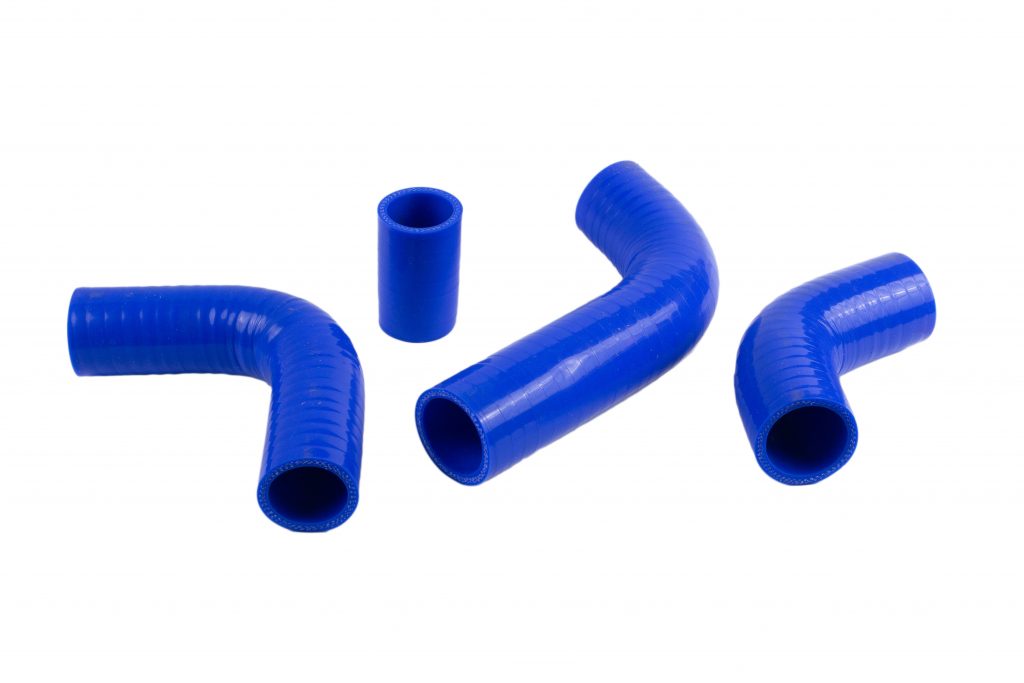
Renowned for their excellent heat resistance, flexibility, and durability, our red silicone hoses are the ultimate solution for a wide array of applications. Be it for your automotive needs, industrial processes, or even home use, these hoses deliver exceptional performance while adding a striking visual touch. Now, with this extraordinary offer, these high-quality hoses are more accessible than ever before.

This deal on our red silicone hoses isn’t just about saving a bit of money, but it’s an opportunity to equip yourself with a product that stands up to high temperatures, and offers a high degree of flexibility, allowing for easy installation in tight corners and challenging configurations. Not to mention, the vibrant red colour adds a touch of aesthetics, making your setup stand out.

Don’t miss out your only opportunity to get the quality you need at a fraction of the usual price!

Check out our full range of silicone hoses below, just find the product you want, select the colour red and the discount will be automatically applied!

Do you offer bespoke tubing?

Bespoke Tubing & hoses

This image is licenced under Adobe Stock. Please refrain from using it without proper permission.

Viper Performance: Bespoke Silicone Hose and Aluminium Tube experts

When it comes silicone hoses & aluminium tubes, one size doesn’t always fit all. Every business has unique requirements, and these often demand tailored solutions. This is where Viper Performance steps in. Whether you need silicone hoses or aluminium tubes, we’re is your go-to choice for customised, high-quality solutions.


What Does Viper Performance. Offer?

With years of experience in bespoke tubing, we’re an industry leader and have catered to both small one-offs and larger multi-national projects. Our expertise ranges from the automotive sector, where bespoke tubing is vital for optimised performance, to the aerospace industry, where custom specifications are the norm.


Whether you need a heat-resistant silicone hose for a high-performance car engine, a lightweight yet robust carbon fibre pipe for sports equipment, or a corrosion-resistant aluminium tube for applications, Viper Performance. has got you covered.


The Benefits of choosing Bespoke Tubing

  1. Standard off-the-shelf products may not meet the specific requirements of your application, and you may find yourself placing multiple orders in different sizes if you get the size wrong or take a gamble on another size. Bespoke tubing allows for customisation of dimensions, material properties, and design to match your exact needs creating a unique level of performance.


  1. By tailoring the tubing to your specific application, you can optimise its performance. For instance, a custom-made heat-resistant silicone hose can improve the efficiency of a vehicle’s cooling system, while a bespoke lightweight carbon fibre pipe can reduce transport costs for construction projects, reducing waste and keeping prices down. While base models will provide a high level of performance, you are able to tailor the performance to your individual requirements, after all not every job is the same.


  1. Bespoke tubing reduces waste, as you only order what you need. This results in more efficient use of materials and less environmental impact, and while the initial investment in bespoke tubing might be higher than standard products, it often results in cost savings in the long run. The reduced maintenance, fewer replacements, and increased operational efficiency can also help reduce long term savings.


AI & Electric Cars. The start of something amazing?

ai and electric cars

This image is licenced under Adobe Stock. Please refrain from using it without proper permission.

As AI grows and becomes increasingly powerful, the possibilities for collaboration with the electric vehicle market becomes ever-greater. So is this really the start of something exciting, or will AI do more harm than good in the electric vehicle market?

The development of autonomous or self-driving vehicles is at the forefront of AI’s influence on EVs. AI, with its vast amounts of data, enable vehicles to navigate traffic, recognize pedestrians, and respond to real-world scenarios without human intervention. AI can enable one of the most exciting features of electric vehicles, making driving safer for both drivers & pedestrians.

AI’s role in EVs also extends to predictive maintenance. By continuously monitoring vehicle components, AI systems can predict potential failures before they lead to major issues. For example, machine learning algorithms can analyse the data from an electric car’s battery to predict its life cycle and performance. Such features can reduce the cost to the driver (less need for big expensive repairs) and also help to prevent breakdowns & accidents.

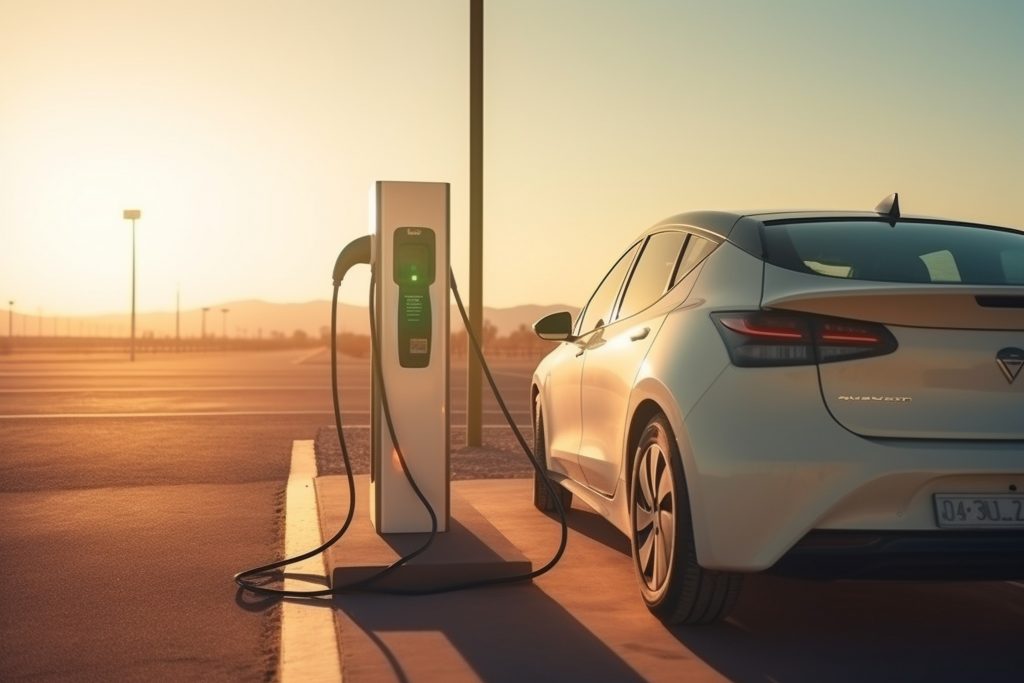
AI is also central to managing energy consumption in EVs more efficiently. AI can learn a driver’s patterns and preferences, optimizing energy usage based on these insights. For instance, the AI system could reduce energy consumption by controlling the car’s heating and cooling systems based on the outside temperature, predicted route, and the driver’s usual comfort settings. AI can therefore mitigate one of the largest concerns with EV prospects of vehicles running out of fuel mid-journey, which has been enhanced with a large increase in EV’s without any major development to the charger network.

Beyond autonomous driving, AI systems also help in enhancing safety in EVs by providing & developing driver assistance systems such as automatic emergency braking, lane departure warnings, and blind-spot detection, all of which will contribute to vehicle safety, while increasing trust in EVs in general.

Despite all of the excitement behind AI & electric vehicles, it’s very easy to get caught up in the positives and not the risk that such automation will bring. As AI become more integrated to the design of electric cars, there is a worry that designers will become complacent, and creativity will slowly be eroded. The future of cars could be bleak, boring and expected. What’s more boring than a world of carbon copies, where all cars were designed by the same person (or robot)?

Carbon Fibre Pipes & the search for space 🚀

Carbon Fibre & space exploration - virgin galactic

This image is licenced under Adobe Stock. Please refrain from using it without proper permission.

Carbon Fibre Pipes & the search for a space. A Virgin Atlantic story

How crazy was last month for space exploration! Getting to watch the VSS Unity successfully complete it’s maidan fully crewed space flight. Taking off from New Mexico, at around 50,000 feet, Unity detached and ignited its rocket motor, propelling the crew to the edge of space. The crew experienced several minutes of weightlessness, taking in breathtaking views of Earth, before descending and gliding back to a runway landing.

A spectacular accomplishment for space exploration, which must acknowledge the incredible engineering of the VSS unity & its mothership. One such component that must be acknowledged is the work of the carbon fibre pipe in one of space’s most ambitious projects of late.

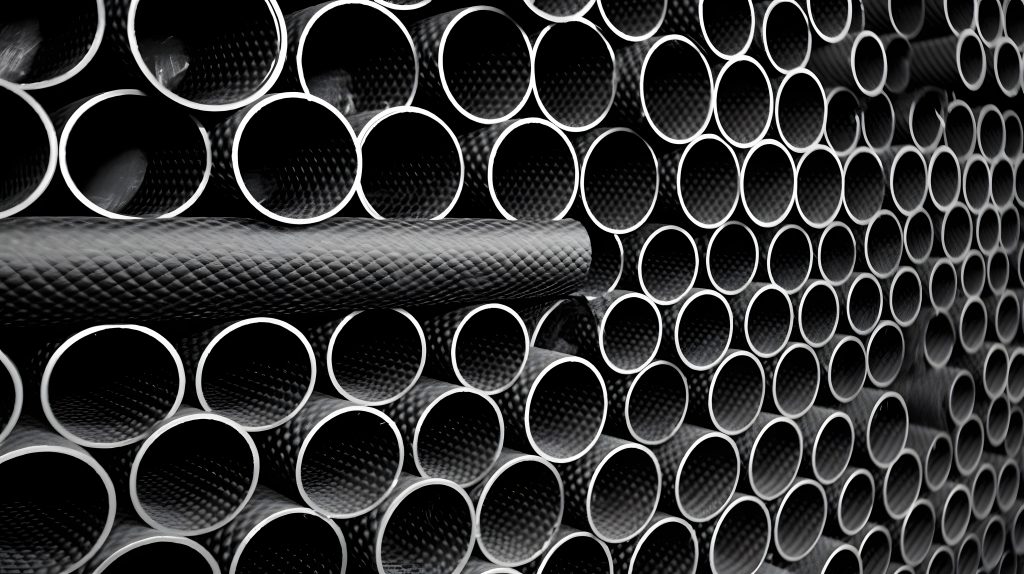
Carbon fibre pipes possess unique properties that make them highly suited to deep space applications. They’re incredibly strong yet light, resistant to thermal expansion, and can tolerate high pressure – all of which are critical in space exploration & tourism.

The strength-to-weight ratio of carbon fibre is one of its most attractive properties for space exploration. In space travel, weight matters. Reducing the weight of a spacecraft can significantly decrease the fuel required, thereby increasing efficiency and cost-effectiveness which is especially important for space tourism and it’s already extortionate prices (we’re looking at you Virgin).

Despite their lightness, carbon fibre pipes possess exceptional strength, similar to or even greater than metals like steel. This combination of high strength and low weight makes carbon fibre pipes an ideal choice for structural components of spacecraft. Allowing them to be used in the construction of rocket bodies or the housing of various spacecraft systems.

Deep space is not a friendly place, and temperatures can quickly and easily go from one extreme to another. Thus materials used in spacecraft need to withstand these without losing functionality. Carbon fibre’s low thermal expansion makes it ideal for this, as it maintains its shape and strength even under substantial temperature changes.

Furthermore, space exploration often involves high-pressure situations, such as the intense pressure changes during a rocket launch or re-entry into Earth’s atmosphere. Carbon fibre pipes can tolerate these high pressures, ensuring the structural integrity of the spacecraft throughout its journey, while also making the journey a little bit more comfortable for its passengers.

Aluminium Tubes & Renewable Energy, a match made in heaven?

aluminium-tube-renewable-energy

This image is licenced under Adobe Stock. Please refrain from using it without proper permission.

Aluminium tubes and renewable energy, the future?

Aluminium tubes have been increasingly favoured across various renewable energy technologies due to their unique properties. Known for being lightweight, thermally conductive, resistant to corrosion, recyclable, and possessing excellent mechanical strength, aluminium tubes play a pivotal role in enhancing the efficiency and longevity of renewable energy systems.

In solar power systems, particularly solar thermal systems, aluminium tubes are commonly used for their superior thermal conductivity, is ideal for efficiently absorbing the sun’s heat and transferring it to the circulating fluid. This heated fluid can then be used for heating purposes or to generate electricity. Aluminium’s lightweight property simplifies the installation and maintenance of solar panels, thus lowering costs which can already be high in solar power systems development & installation.

Wind power generation is another area where aluminium tubes prove their worth. Aluminium tubes are an essential part of wind turbine structures, which need to be both sturdy and lightweight. The structural strength and lightness of aluminium tubes provide the perfect combination, reducing the overall weight of the turbines without compromising on stability. This not only boosts energy generation efficiency but also simplifies the already complicated and difficult structural installation.

In the hydropower sector, aluminium tubes are often used to carry water from the reservoir to the turbine in hydroelectric power plants. The corrosion resistance and durability of aluminium tubes stand out here, prolonging the life of integral systems which are continually exposed to water and varying environmental conditions. Which in turn requires less maintenance and replacement which can slow down / completely halt the plants.

Beyond their functional advantages, aluminium tubes also align with the environmental consciousness at the heart of the renewable energy sector. Thanks to its recyclability and long life, in turn reducing harmful waste.

Silicone Hoses & Electric Cars, a match made in heaven

This image is licenced under Adobe Stock. Please refrain from using it without proper permission.

Silicone hoses & electric cars, a match made in heaven?

Electric cars are by no means simple machines. Given their unique properties and design, they require a complex combination of parts to keep them running at peak efficiency, especially given the price tags, customers expect reliability. Of those parts, the silicone hose (we’ve heard of those) makes up an integral part of the design.

Silicone hoses have become integral to the architecture of electric vehicles, mainly due to their thermal resistance, durability, and flexibility. They contribute significantly to the vehicles’ overall functionality and efficiency while ensuring longer lifetimes, improved performance, and safer operations, all things that are required by customers.

Silicone hoses excel in handling the significant thermal demands of electric vehicles. EVs often have battery cooling systems to prevent overheating during charging and operation and thus silicone hoses play a pivotal role. They are responsible for circulating the coolant around the battery system, maintaining a consistent temperature, and ensuring that the battery works efficiently without risks of thermal damage. With a high temperature (up to 220°C) and resistance to electrochemical degradation, silicone hoses outperform their rubber counterparts for example, making them perfect for such conditions.

Durability and resilience are other key characteristics of silicone hoses that make them ideal for electric vehicles. Like most cars, electric cars are expected to withstand harsh and awkward, weather and driving conditions. With their proven resistance to ozone, UV light, and various weather extremes, silicone hoses offer reliable, long-lasting service. In addition, they maintain their shape and structure over time, ensuring a consistent flow of coolants and a steady performance of the cooling system, without comprising performance.

Beyond just temperature control and durability, flexibility is another critical factor where silicone hoses shine. Electric vehicle designs vary widely and continue to evolve rapidly. Hence, the need for components that can adapt to different shapes, sizes, and configurations is paramount. Due to their properties, silicone hoses can be moulded into a multitude of shapes and sizes, providing designers with the flexibility needed to innovate without being bound by the limitations of inflexible components, which is especially important in a market where creativity and unique designs are required to standout.

Ultimately silicone hoses and electric cars work together like a good summer’s day and back country roads, with silicone hoses successfully being able to contribute to the vehicles’ eco-friendliness. So as we accelerate towards a new eco-friendly way of energy and living, electric vehicles in particular can make a tremendous effort, speared on by many impressive machinery on board.


Are electric cars becoming more fun?

This image is licenced under Adobe Stock. Please refrain from using it without proper permission.

The electric vehicle (EV) revolution is in full swing, and it’s not just about reducing carbon emissions and promoting sustainability. A new wave of electric cars is proving that making the switch doesn’t mean sacrificing fun.

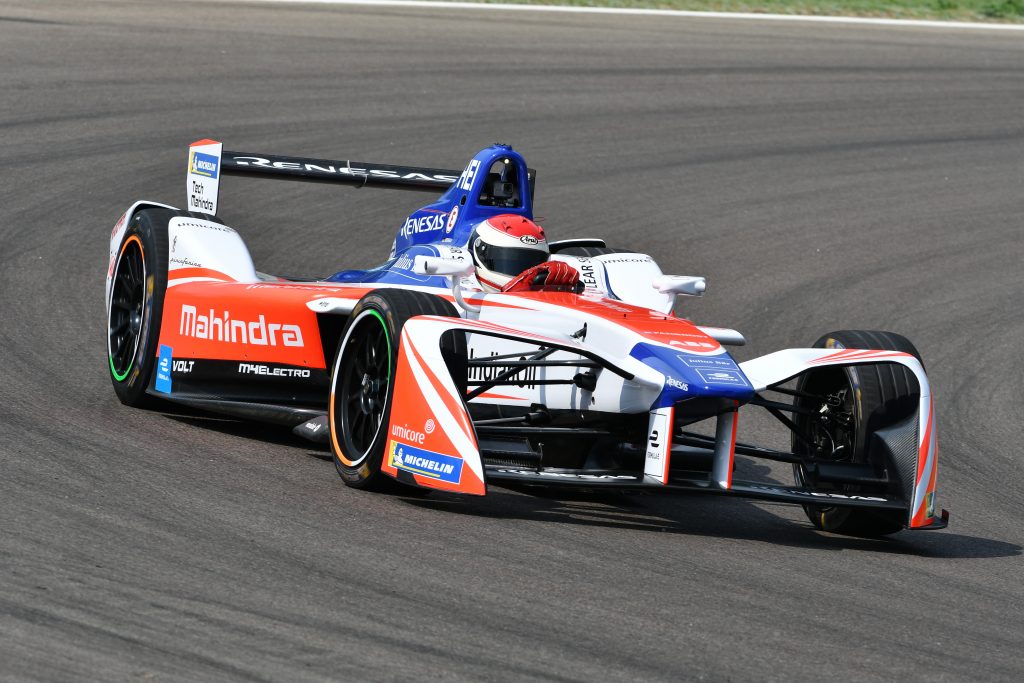
Electric cars offer a unique driving experience that is increasingly being appreciated by car enthusiasts and everyday drivers alike. One of the most notable aspects is the instant speed provided by electric motors. Unlike their gasoline cousins, which need to build up revs for maximum power, electric motors deliver peak acceleration from a standstill. This means that electric cars can accelerate incredibly quickly, making them incredibly fun to drive (while giving them an extra favourable advantage).

Speed has been shown to be no limitation with electric cars, the Tesla Model S Plaid, for example can sprint from 0 to 60 mph in less than 2 seconds, making it one of the fastest production cars in the world. But it’s not just high-end electric cars that offer impressive performance. Even more affordable models like the Chevrolet Bolt EV and the Nissan Leaf can easily compete (if not beat) their nonelectrical counterparts.

Another aspect that makes electric cars more fun is the technology they come packed with. From large, interactive touchscreens to advanced driver-assistance systems, electric cars are often at the forefront of automotive technology. Tesla’s vehicles, for instance, come with an ‘Infotainment System’ that includes video games, streaming services, and even a ‘Fart Mode’ for a bit of humour. What’s more fun than watching YouTube on your commute to work?

Electric cars are also becoming more fun thanks to the increasing variety of models available. In the past electric car enthusiasts were limited to basic models (usually family-friendly four doors), however electric cars are expanding into new exciting models including pickup trucks (we are looking at you cyber-truck) and supercars. Which can be driven guilt-free, not having to worry about fuel costs & your vehicles impact on the environment.

The role of silicone hoses in renewable energy

This image is licenced under Adobe Stock. Please refrain from using it without proper permission.

Silicone hoses & renewable energy, the start of something exciting?

The renewable energy sector has seen a significant surge in recent years, with wind farms playing a vital role in this green revolution. As these wind farms grow in size and complexity, the demand for durable, reliable components has increased. One such component that has proven to be indispensable is the silicone hose.

Silicone hoses, known for their flexibility, durability, and resistance to extreme temperatures, have found an appreciated place in the operation and maintenance of wind turbines. Wind turbines operate under harsh conditions and are exposed to extreme weather, fluctuating temperatures, and constant vibration. Therefore, the components used must be able to withstand such conditions. Silicone hoses, with their excellent temperature resistance and flexibility, are ideally suited for this task.

One of the primary uses of silicone hoses in wind turbines is in cooling systems. Wind turbines generate a significant amount of heat during operation, which needs to be effectively managed to prevent damage to the turbine’s components. Silicone hoses are used to transport coolant around the turbine, helping to maintain optimal operating temperatures. Their ability to withstand high temperatures without degrading makes them an excellent choice for this application.

Furthermore, silicone hoses are used in hydraulic systems within wind turbines. These systems, which control the pitch of the blades and the orientation of the turbine, are critical for efficient operation. The flexibility and durability of silicone hoses make them well-suited to handle the high pressures found in these hydraulic systems.

The durability of silicone hoses is another key advantage as wind turbines are designed to operate for decades, and maintenance can be challenging due to their remote locations and the height of the turbines. Silicone hoses, with their potentially long lifespan can help reduce the need for maintenance and replacement, improving the overall reliability and efficiency of the turbine.

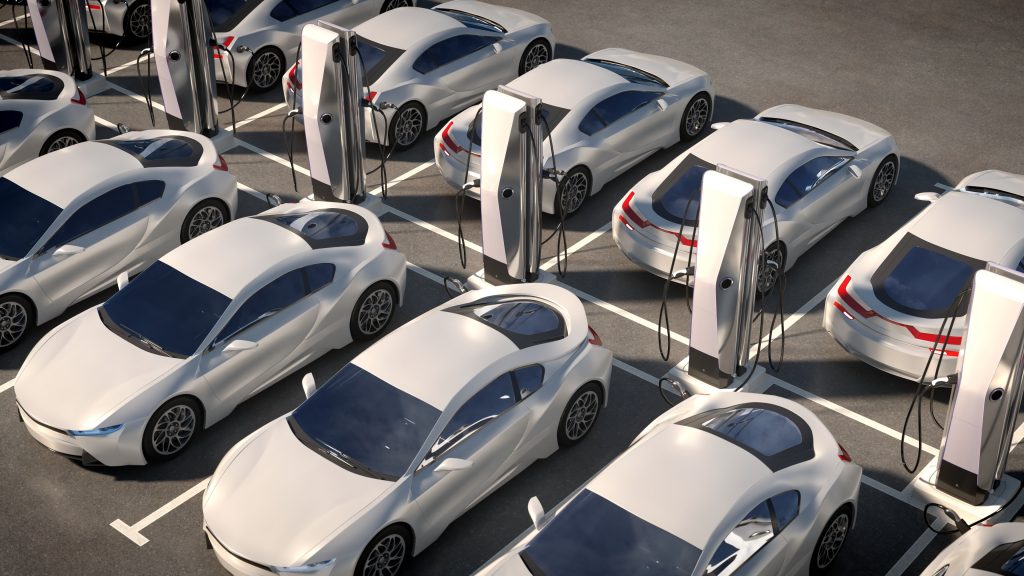
Is the electric car market becoming more competitive?

This image is licenced under Adobe Stock. Please refrain from using it without proper permission.

A few key players once dominated The electric car market, with Tesla leading the charge. However, the landscape is rapidly changing. Traditional automakers like General Motors, Ford, and Volkswagen have made significant strides in their electric vehicle offerings, challenging Tesla’s dominance. While new entrants like Rivian and Lucid Motors have also entered the market offering customers even more choices.

One of the primary drivers of this increased competition is the growing consumer demand for electric vehicles. As concerns about climate change & fuel prices intensify, more consumers are looking for sustainable transportation options. Governments worldwide are also encouraging this shift, with many introducing incentives for electric vehicle purchases and setting ambitious targets for phasing out internal combustion engines.

The technology behind electric vehicles is also advancing at a rapid pace. Battery technology, in particular, has seen significant improvements in terms of cost, energy density, and charging speed. These advancements have made electric vehicles more affordable and practical for everyday use, broadening their appeal to a larger market. While also removing any existing stigmas that existed around electric cars especially in regardless to enjoyment.

The increased competition in the electric car market is not just about the number of players but also about the variety of offerings. Today, consumers can choose from a wide range of electric vehicles, from compact city cars to luxury sedans, SUVs, and even pickup trucks. This diversity of choice was not available a few years ago and is a clear sign of a more competitive market.

Additionally, competition has been driven by an increase in charging infrastructure. In the past many potential customers have been put off by the lack of charging opportunities and the risk of not being able to fuel your car in the first places. Companies like ChargePoint and Blink Charging are competing to build out extensive charging networks, while automakers like Tesla continue to expand their network.

As exciting as this competition is with decreased prices, decreased carbon emissions and increased choice for even the pickiest of drivers, such competition also presents challenges. For one, it puts pressure on automakers to continuously innovate and improve their offerings to stay ahead. It also makes it more difficult for new entrants to gain a foothold in the market. The rapid pace of change can lead to uncertainty, with consumers potentially delaying their purchase decisions as they wait for the next big thing.