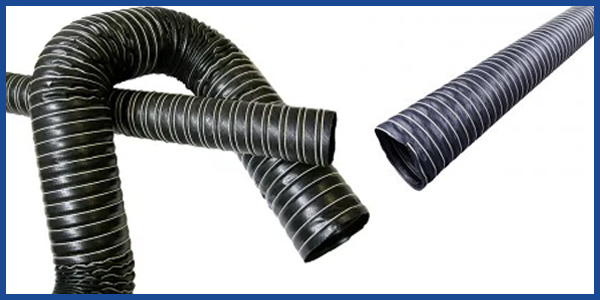
You ask us: Do you need a specific grade of silicone rubber for hoses in electric cars?

Viper performance FAQ


Yes, the selection of a particular grade of silicone hose is crucial in electric cars, and it depends on the specific requirements of the application and the components involved in the cooling system. Different silicone hose grades have varying properties, such as temperature resistance, flexibility, and chemical compatibility. Here are some considerations when specifying silicone hoses for electric cars:

1. Temperature Range: Electric vehicles often operate in a range of temperatures, and
components like batteries, electric motors, and power electronics generate heat during operation. It’s essential to choose a silicone hose grade that can withstand the temperature extremes encountered in the specific cooling system application.

2. Flexibility: Silicone hoses are known for their flexibility, which allows for ease of installation and routing in complex systems. However, the flexibility of silicone hoses can vary between different grades, so it’s important to choose a grade that meets the flexibility requirements of the application.

3. Chemical Resistance: Silicone hoses are exposed to coolants and other fluids in the cooling system. Ensure that the selected silicone hose grade is compatible with the specific fluids used in the electric vehicle’s cooling system. This is particularly important to prevent degradation or swelling of the hose material.

4. Reinforcement Material: Silicone hoses can be reinforced with materials like polyester, aramid, or fiberglass to enhance their strength and pressure resistance. The choice of reinforcement material should align with the pressure requirements of the cooling system.

5. Compliance with Standards: Consider industry standards and regulations relevant to automotive applications. Silicone hoses used in electric vehicles should meet specific standards for performance, durability, and safety.

6. Specialized Grades for Electric Vehicles: Some silicone hose manufacturers offer specialized grades designed for electric vehicle applications. These grades may be formulated to address the unique demands of EV cooling systems, including high temperature resistance and compatibility with electric vehicle fluids.

7. Supplier Reputation: Choose a reputable silicone hose supplier that provides high-quality products. Reliable suppliers often provide technical specifications and can assist in selecting the right silicone hose grade for the intended application.

8. Customization: Depending on the specific design requirements of the cooling system,
customizing the silicone hose, such as its length and diameter, may be necessary. Ensure that the chosen supplier can accommodate customization needs.

In summary, specifying the right grade of silicone hose is critical to the performance and
reliability of cooling systems in electric cars. Careful consideration of temperature resistance,
flexibility, chemical compatibility, reinforcement, compliance with standards, and supplier
reputation will contribute to the overall effectiveness of the cooling system

Emerging Changes: Green Fuels In Motorsport

emergence of green fuels in motorsports'

Please note this image was licenced under Adobe stock and any re-use is prohibited.

The Emergence of Green Fuels in Motorsports: Revolutionizing the Race Track

In recent years, the world of motorsports has witnessed a paradigm shift towards sustainability. Be it the fuel used or the sponsors on the vehicle’s livery. The motorsport industry is now embracing eco-friendly alternatives, signalling a new era in racing.

The Green Wave in Racing:

Motorsports, a realm traditionally dominated by gasoline and diesel, has begun to turn towards more sustainable options. Green fuels, which include biofuels, synthetic fuels, and hydrogen fuels, have started to replace conventional fuels in various racing formats.

Biofuels: Leading the Charge:

Biofuels, made from organic materials like plant biomass and waste oils, have been at the forefront of this green revolution. For instance, Formula 1, the epicentre of all motorsport, announced plans to use 100% sustainable fuel blends by 2025. Biofuels offer a relatively easy switch for existing internal combustion engines, making them an attractive option for many racing series.

e-Fuels: The Synthetic Alternative:

Synthetic fuels, or e-fuels, are another promising avenue. Motorsports series like Porsche Supercup have started experimenting with these fuels, showcasing their potential in high-performance scenarios.

Hydrogen: The Future Fuel?

Hydrogen fuel cells represent a more radical shift, producing electricity through a chemical reaction. While still in its nascent stages in motorsports, hydrogen’s potential for high energy density and quick refuelling times make it an exciting prospect. The Dakar Rally, known for its gruelling conditions, saw its first hydrogen-powered vehicle in 2021, indicating the growing interest in this technology.

Challenges and Opportunities:

The transition to green fuels in motorsports is not without its challenges. Eco-friendly green fuels need to balance performance, safety, and sustainability to stand a chance of ever making it into an engine.

Given the challenges already faced by non-green teams in motorsports across the sport, the idea of going green could be considered a stretch, but one that is needed for motorsports to stay both sustainable and achievable in an ever-changing world.

The most exciting electric cars coming in 2024

This image was licenced under Adobe Stock and any re-use is prohibited.

As we look ahead to 2024, the automotive world is poised to deliver an array of exciting EVs. We take a closer look at some of the most anticipated electric cars expected to hit the market in 2024.

  1. Maserati Grecale Folgore

When the car is named after the Italian for lightning “Folgore”, this car is anticipated to be very exciting. The car has been announced alongside the standard model, and unfortunately won’t be appearing until summer 2024 (in the US), so we need to hold our excitement a little longer.

  1. Mercedes Benz EQG

When it comes to performance and quality, there’s no better than a G-Wagon. That’s why we are so excited for the EQG to come out (especially as it was announced in 2021). With a motor at each wheel, we are expecting exciting power and quality behind every turn!

  1. Porsche Macan EV

Porsche has entered the electric vehicle market with a bang, and with plans to have 80% if their sales consisting of EVs by 2030, that goal will be much more achievable once the Macan is live and driving through our streets. With a maximum of 603 horsepower and 783 pound-feet of torque, the Macan will be mighty quick (but we didn’t need to tell you that did we)!

4. Audi A6 e-tron

Audi is no stranger to electric vehicles, and in 2024, they plan to expand their electric lineup with the A6 e-tron. While still in concept (but exciting teased by Audi), with its sleek design, advanced technology, and a spacious interior, the A6 e-tron is expected to compete with other luxury EVs in its class.

2024 is shaping up to be an exciting year for electric cars, with a diverse range of options to suit various preferences and needs. From performance-oriented sports cars to practical SUVs and trucks, automakers are pushing the boundaries of electric vehicle technology. Here’s to 2024, what an exciting time to be alive!


(Disclaimer: All research & information has been provided via caranddriver.com).

How cultural & demographic differences shape vehicle design

cultural-differences-in-cars

Please note this image was licenced under Adobe Stock, and any unauthorized re-use is prohibited

Cultural Influences in Car Design

Cultural factors often dictate what is considered appealing or necessary in a vehicle. For example, in Europe, with its narrow streets and dense urban environments, there is a preference for smaller, more compact cars, e.g. the Mini Cooper, with its iconic design, is a perfect example of this. Combining space efficiency and urban practicality.

In contrast, in the United States, with its expansive highways and a culture that often equates bigger with better, larger vehicles like SUVs and trucks are more popular. With Ford’s range of pickup trucks, a perfect example of this.

Demographic Trends Shaping Design

Demographic trends play a crucial role in car design. In countries with a younger population, there’s often a demand for cars that are sporty, affordable, and technologically integrated. The Honda Civic is a great example, offering an affordable, sporty aesthetic that appeals to younger drivers.

On the other hand, in regions with an ageing population, such as Japan, car designs often focus on accessibility, comfort, and safety. Toyota’s designs, which often feature higher seats for easier entry and exit, and advanced safety features, cater to this demographic.

Economic Factors and Environmental Concerns

Economic factors greatly influence car design. In emerging markets like India, cost-effective and fuel-efficient cars are in high demand. The Tata Nano, once touted as the world’s cheapest car, was designed to be affordable and compact, ideal for the congested streets common in many Indian cities.

Environmental concerns are also shaping car designs globally. The rise in eco-consciousness has led to an increase in the popularity of electric and hybrid vehicles. The Tesla Model S, with its zero-emission electric powertrain and sleek design, has become a symbol of how environmental concerns are driving innovation in car design.

Cultural influences and demographics are pivotal in shaping car design. They determine not just the aesthetics but also the functionality and appeal of vehicles in different regions, and by tailoring designs to fit cultural contexts and demographic demands, car manufacturers can create vehicles that are not only functional but also resonate deeply with their target audiences.

Bespoke Hoses in extreme environments

custom silicone hoses

Please note this image was licenced under Adobe stock, and any re-use is prohibited.

As a manufacturer at the forefront of silicone hose technology, we specialize in bespoke solutions designed to meet the most challenging environments.

Silicone hoses are renowned for their exceptional performance under extreme conditions, maintaining their integrity and functionality across a vast range of temperatures, and bespoke silicone hoses come into their own when off-the-shelf products can’t meet the unique requirements of specific applications. Whether it’s a unique bend radius, a specific length, or reinforced layers for added durability.

Industries where bespoke Silicone Hoses can shine

Heavy Industrial and Construction Equipment:

  • Environment: Extreme dust, debris, and varying outdoor temperatures. Rugged operating conditions and over usage by workmen
  • Role of Custom Hoses: In these rugged environments, hoses need to be extremely durable and resistant to abrasion. Custom hoses are used in hydraulic systems, cooling systems, and air intake systems, often with heavy-duty reinforcements.

Aerospace Industry:

  • Environment: Aircraft and spacecraft operate in environments with drastic temperature fluctuations, high altitude pressure differences, and exposure to aggressive fuels and chemicals.
  • Role of Custom Hoses: Silicone hoses are used for fuel lines, hydraulic systems, and ventilation. They must be lightweight, flexible, and capable of withstanding both extreme cold in high altitudes and intense heat during flight or re-entry phases.

Power Generation and Renewable Energy:

  • Environment: High-temperature steam and pressure conditions, especially in solar farms and nuclear power plants.
  • Role of Custom Hoses: Silicone hoses in these settings are designed for high-pressure steam and hot water applications, ensuring stability and performance in the transfer of high-temperature fluids.

Whether it’s resisting extreme temperatures, handling high pressures, or enduring corrosive substances. Bespoke custom hoses can create customization, ensuring the required standards of even the most unique projects are met.

Aluminium Tubes in Marine Applications

aluminium-tubes-marine-applications

Please note this image was licenced under Adobe stock, and any re-use is prohibited.

Exploring the Versatility of Aluminium Tubes in Marine Applications

At Viper Performance, ur expertise extends beyond manufacturing; we delve into the practical applications of our products, particularly in challenging environments like the marine sector. We

1. Corrosion Resistance: Aluminium’s natural resistance to corrosion is its most significant advantage in marine applications. With an effective layer that protects it from rust and corrosion caused by seawater and marine atmosphere. Meaning that aluminium tubes can actually reduce unnecesary maintenance needs and costs.

2. Strength-to-Weight Ratio: Aluminium tubes offer an excellent strength-to-weight ratio. This quality is particularly beneficial in marine construction, where reducing the overall weight without compromising structural integrity is essential. Lighter vessels achieve better fuel efficiency and maneuverability, which is crucial for marine operations.

3. Flexibility: Aluminium is known for its flexibility, allowing for innovative and complex designs in shipbuilding and marine structures. Aluminium tubes can be easily bent, shaped, and welded, offering flexibility in design and application. This adaptability is vital for custom marine solutions.

Further than just on the sea

1. Shipbuilding and Repairs: Aluminium tubes are extensively used in the construction and repair of various types of vessels, including yachts and naval ships, and are utilized in various areas including framing and deck structures, offering a combination of lightweight, strength, and resistance to the marine elements.

2. Offshore Structures: In offshore platforms and rigs, aluminium tubes are used in the framework, railings, and safety structures. Their corrosion resistance and strength are vital in these structures, which are exposed to some of the most challenging marine conditions out in the depths of sea, creating dependability that’s needed in difficult to maintain situations.

We are proud to be at the forefront of supplying aluminium tubes for the marine sector. Our commitment to quality and innovation ensures that our products meet the demanding needs of this industry.

Got a marine project that requires quality and dependability? Or maybe you have a project that requires custom development? Either way get in touch with our friendly team and we’d be happy to help!

Why some industries use carbon fibre pipes over silicone hoses?

Please note this image was licenced under Adobe Stock, and any re-use is prohibited.

Carbon fibre pipes known for their strong strength-to-weight ratio, have become a material of choice across various industries, including aerospace, automotive, and construction. But one of its applications that may not be as widely recognized is in the form of carbon fibre pipes. These pipes offer a unique set of properties that make them particularly advantageous for certain industrial applications.


Exceptional Strength and Durability

Carbon fibre composites can be several times stronger than steel while weighing substantially less. This high tensile strength means that pipes made from carbon fibre can withstand high pressures, making them suitable for transporting liquids and gases under pressure without the risk of rupture or failure.

Corrosion Resistance

Unlike traditional materials such as steel or copper, carbon fibre does not rust or corrode. This resistance to corrosion is particularly beneficial in industries where pipes are exposed to corrosive substances or extreme weather conditions. In the chemical industry, for example, processes often involve corrosive materials that can quickly degrade metal pipes, leading to leaks and failures. Carbon fibre pipes offer a longer-lasting solution without the need for frequent replacements or repairs.

Lightweight Nature

The lightweight nature of carbon fibre is perhaps one of its most significant benefits. In the automotive and aerospace industries, every ounce matters. Carbon fibre pipes contribute to overall weight reduction, which leads to improved fuel efficiency and performance. This weight-saving property is not only beneficial in terms of energy efficiency but also makes installation and handling much easier compared to heavier metal pipes.

Application in Niche Markets

While the benefits of carbon fibre pipes are clear, their cost remains higher than traditional materials, which limits their use to industries where the benefits outweigh the costs. For example, in high-performance automotive manufacturing, racing, or luxury car segments, the cost is less of a concern compared to the performance benefits. Similarly, in aerospace, the material’s properties can lead to cost savings over the aircraft’s lifetime, justifying the initial investment.

Are Silicone Hoses Good For Coolant?

custom silicone hoses

As a leading silicone hose manufacturer, we are often asked if silicone hoses are good for coolant, well the answer is YES! We are at the forefront of providing bespoke, coolant-friendly silicone hoses that are essential for many industries from manufacturing to EV’s.

Silicone hoses don’t come naturally coolant friendly, and thus bespoke work allows us to manufacture it to a way that will comply with your project., allowing them to offer superior chemical resistance. Our bespoke OAP coolant hoses will not react with the vast majority of coolant additives, ensuring that the hose remains uncompromised over time.

Our approach to silicone hoses for coolant systems is naturally bespoke. We understand that each project has its own unique demands and each cooling system may require specific hose characteristics.


Ensuring Durability

One of the most significant advantages of OAP coolant hoses in coolant applications is their ability to perform in demanding environments. From the high-vibration world of motorsports to the relentless cycles of commercial vehicle engines, our hoses are designed to last.

We reinforce our silicone hoses with high-quality fabrics, which provide exceptional tear resistance and prevent the hose from ballooning under pressure—a crucial factor when dealing with the high-pressure environment of a cooling system.

The silicone hoses we produce for industries such as the EV industry are not only durable, but also offer the flexibility needed to fit into the compact and often complex layouts of EV designs. Our hoses withstand the thermal demands of battery cooling systems, which can fluctuate significantly.

The bespoke nature of our silicone hoses for coolant applications begins with a thorough consultation process. Our team gathers detailed information about your vehicle or machinery, the demands of its engine, and the specifics of its cooling system. From where we can work with you to design a coolant hose that works for you and your project!

Get in touch today for your bespoke hosing project!

Looking for corrosion resistance? Look no further..

Aluminium’s natural corrosion resistance is attributed to its affinity for oxygen. When exposed to the atmosphere, aluminium reacts with oxygen to form a thin, protective layer of aluminium oxide on the surface, with this layer acting as a barrier that prevents further oxidation of the underlying metal, thereby offering protection against a range of corrosive substances..

Environmental Factors Affecting Corrosion

The corrosion resistance of aluminium pipes can vary depending on the environmental conditions to which they are exposed, which can create differing performances depending on the industry. While they perform excellently in neutral and slightly acidic or alkaline environments, in highly acidic or highly alkaline conditions, their protective layers can become compromised, leading to corrosion.

In comparison

When compared to other materials including steel, a commonly used material for piping, aluminium pipes have a clear advantage in terms of corrosion resistance. Steel can rust and deteriorate rapidly when not properly coated or if the protective coatings are damaged. Aluminium pipes, on the other hand, are a much better maintenance-free solution with their higher resistance to rusting, making them a more affordable choice in terms of time and money.

Coatings and Treatments

To enhance the corrosion resistance of aluminium pipes for certain applications, various coatings and treatments can be applied. Anodizing, a process that thickens the natural oxide layer, can provide additional protection and also allows for colourizing the aluminium. Overall though, aluminium pipes can be a very good solution when looking at corrosion as a determining factor, making it popular across many industries.

Aluminium pipes are suitable for a wide array of applications, from plumbing and heating to industrial and marine uses. Their natural protective layers allows for flexibility in engineering applications that require durable, lightweight, and long-lasting piping solutions.

Predicting the next big trends in automotive manufacturing

(Please note this image is licenced under Adobe Stock, any re-use is prohibited)

The automotive industry stands on the brink of a revolution, with emergent technologies and consumer priorities reshaping the future of transportation. We look at the big trends set to drive the automotive sector forward.

Electric Vehicles

EVs are more than just a trend; they are the vanguard of the automotive industry’s future. With governments around the world setting ambitious goals for reducing carbon emissions, the push for EVs is stronger than ever. By 2030, it’s expected that EVs will dominate new car sales, propelled by advances in battery technology that promise longer ranges and faster charging times. With the growth of charging infrastructure and the advent of battery-swapping technology, working together to ease range anxiety,  EVs are becoming ever more accessible to the masses.

Autonomous Vehicles

What’s scarier than an electric car, an autonomous car? Autonomous driving technology has been inching closer to reality. While fully self-driving cars on public roads are still a few regulatory and technological leaps away, AI is becoming more advanced. The next decade might see the first truly autonomous vehicles being introduced in the UK, potentially reducing accidents caused by human error and revolutionizing personal mobility, especially for those unable to drive.

More & more Personalised

Customization is becoming increasingly important to consumers. The automotive industry is responding with vehicles that can be tailored to individual preferences. Moving away from traditional options such as colour, but also in the car’s features and even the driving experience itself. Software updates can now alter a vehicle’s performance characteristics, removing the need to drop your car off at the garage for modifications, how easy does that sound?