
Viper Performance manufactures and distributes the highest quality silicone hoses on the market today. All of our hoses are hand-built using the latest and best materials at a very competitive price. Automotive hoses are in fact our speciality and have been since 2005. But we don’t just produce standard car hoses, we can also produce hoses for commercial vehicles such as buses, and trucks.
Our silicone hoses are designed to last, out-performing many other hoses offered on the market today.
Why Silicone?
Silicone outperforms other natural organic rubber hose materials in terms of life expectancy and reliability on engine, radiator, heater and intercooler applications.
Our hoses are mandrel built to conform to the requirements of SAE J20 R1 (standard wall) class A. Alternatively in single ply construction, manufactured by continuous methods, to conform to the requirements of SAE J20 R3 and R4 class A.
Our Hoses are Euro 6 Compliant
January 2016 saw the introduction of Euro VI regulations for newly registered vehicles. This ensures manufacturers comply with the regulations which, primarily call for further reductions in levels of nitrogen oxides and particulate matter.
Working with several major vehicle producers, Viper Performance already have turbo-charger (CAC), coolant and air intake hoses, for Euro VI vehicles. Using high-quality silicone compounds, and newer Aramid fabrics capable of withstanding 250°C in our CAC hoses and revised constructions for coolant hoses, both are more than capable of performing reliably on any modern engine.
Our fluorosilicone lined hoses, ensure all potential issues are covered now and into the future.
What do Viper Performance build hoses for?
- Radiators
- Water Systems
- Coolant
- Breather systems
- Intercooler Connections
- Charge Air Cooler
- and more …
Why you should order your hoses with us
Our Truck and Bus hoses are designed and built to maintain a high degree of rigidity to withstand strong, negative pressures while remaining flexible enough to cope with significant movement between air filter and engine.
From enquiry to finished delivered product, you will receive the level of service you expect from a professional company, with all of our attention focused on quality and customer satisfaction.

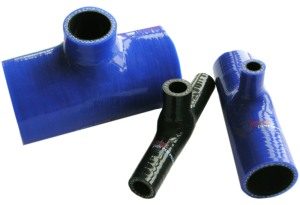 We already had the biggest range of T piece hoses in the world but that won’t stop us making it bigger!
 I know no one wants to hear the word Brexit ever again! But if you love driving then you really do need to pay attention to just one little part… driving in the EU.
 Although a few road vehicles and race cars existed with four wheel drive before it, the Audi Coupe Quattro was the first with an all-wheel drive system. The Quattro was built to dominate the World Rally Championship. Engineers bet the extra traction of all-wheel drive would be advantageous on the many unpaved, and sometimes snow-covered rally stages. The Quattro proved them right, winning the championship in 1983 and 1984.
 Gearboxes used to be a simple choice between manual or automatic, that was before racing teams found a performance advantage in transmissions drivers which can shift themselves without a clutch pedal. Eliminating the clutch allows transmissions to shift faster, so it was only a matter of time before the technology became commonplace in both race cars and road-going sports cars.
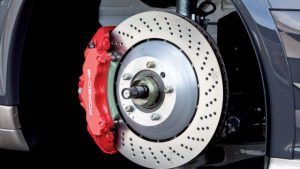 Anti-lock braking systems (ABS) were used more commonly in aircraft before cars. In 1961, a variation of the system was fitted to the Ferguson P99 Formula One car but this wasn’t very successful in F1. It only won a single race, and driver Stirling Moss didn’t even use the ABS, preferring to modulate the brakes the old-fashioned way.
 Engine bays are busy places, inevitably straight hoses are not going to always fit the bill. That’s why we stock such a large range of Silicone Hose elbows. Ranging from 15° right up to 180° you can build a system which will work.
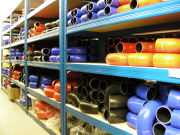 There are great benefits to becoming a dealer of Viper Performance products. Excellent dealer margins are available as well as competitive retail prices. We discuss all trade discounts on an individual basis and these discounts will vary depending on order patterns and your account history with us here at Viper Performance.
 Our Aluminium blanking plugs are designed to push inside a silicone hose and provide a strong secure seal, without slipping out. This is ideal for blocking off unused connections such as old breathers, water hoses or dump valves. They are specially designed so that the cap fits flush with most hoses which means they look great too.